Eco-Friendly Park Model Tiny Homes

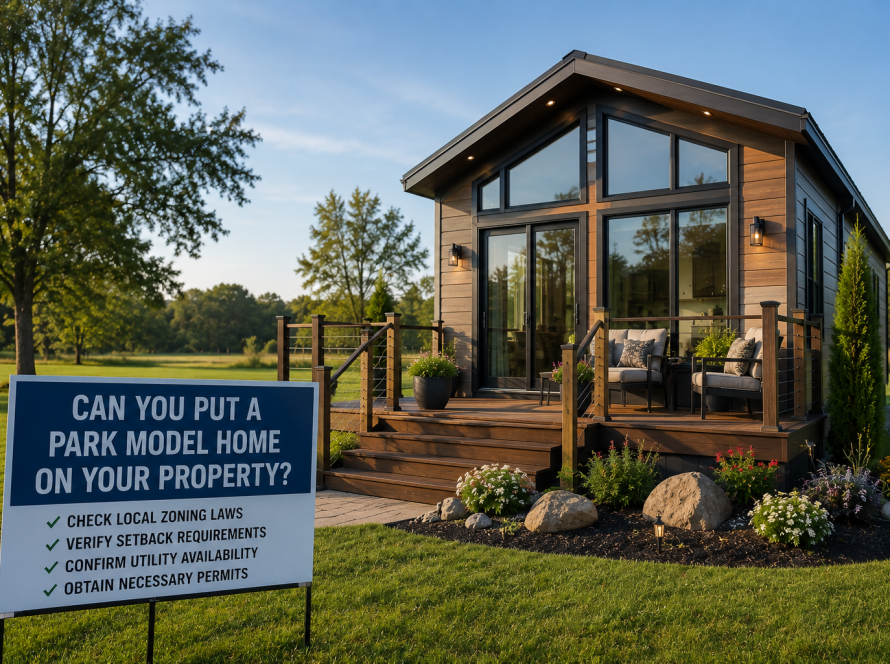
In a world increasingly focused on sustainability and environmental responsibility, Park Model Tiny Homes are emerging as one of the most eco-friendly housing solutions available today. Compared to traditional housing, they require fewer materials, consume less energy, produce less waste, and encourage a lifestyle centered around mindful living. Here’s why Park Model Tiny Homes represent a genuinely green approach to modern housing.
1. Minimal Environmental Footprint
Unlike full-size homes that occupy large land areas and require heavy infrastructure, Park Model Tiny Homes take up significantly less space. Their compact footprint reduces land disturbance, soil erosion, and habitat destruction — making them a gentler presence on the environment.
2. Less Construction Material, Less Waste
Traditional homes require tons of lumber, concrete, insulation, and roofing material. A Park Model tiny home uses far fewer raw materials, resulting in:
- less manufacturing pollution
- less landfill waste
- reduced carbon emissions from production
Every square foot eliminated translates to meaningful resource conservation.
3. Lower Energy Consumption
Smaller living space means reduced heating and cooling demands. Park Models typically include:
- high-efficiency insulation
- mini-split HVAC systems
- energy-saving LED lighting
- low-consumption appliances
This dramatically lowers annual energy usage and overall carbon footprint.
4. Solar-Ready and Off-Grid Capability
Many Park Model Tiny Homes can be equipped with:
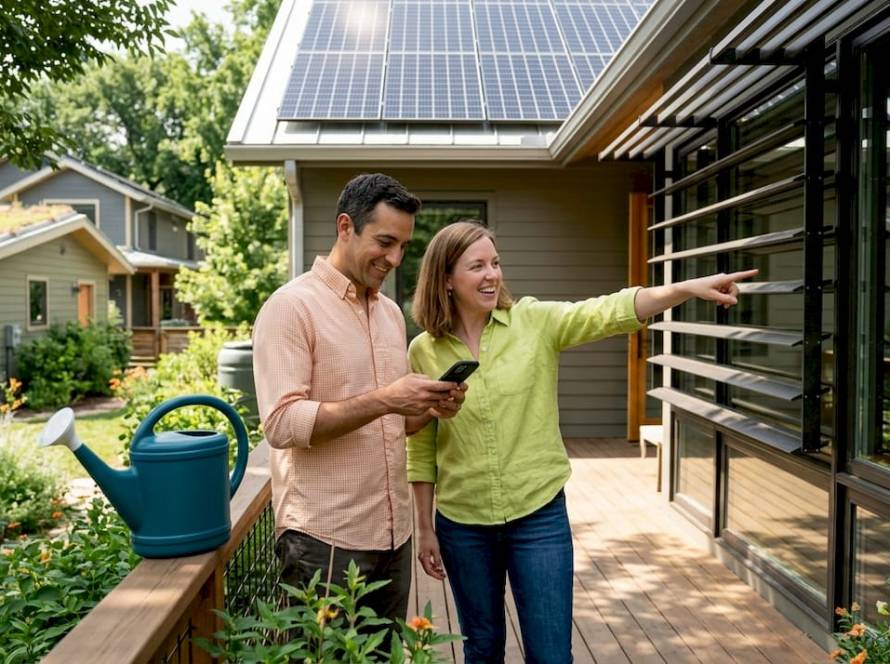
- rooftop solar panels
- lithium battery storage
- inverters
- tankless water heaters
This allows residents to operate partially or fully off-grid, reducing dependence on fossil-fuel-generated electricity and public utilities.
5. Smaller Water Usage
Because Park Models use smaller-scale bathrooms, efficient fixtures, and compact systems, water consumption decreases significantly. Optional features include:
- low-flow faucets
- smart shower heads
- composting or waterless toilets
- grey-water recycling systems
Together, these features dramatically reduce household water demand.
6. Encourages Minimalism and Conscious Consumption
A Park Model Tiny Home naturally promotes:
- less furniture
- less storage
- fewer unnecessary purchases
- more intentional living
With less space for material accumulation, residents shift away from over-consumption and focus on experiences, not possessions.
7. Reduced Carbon Emissions Over a Lifetime
Studies show that tiny homes can reduce lifetime greenhouse gas emissions by up to 70–85%, depending on energy source and lifestyle. This is due to:
- smaller build process
- lower heating & cooling needs
- reduced utility demand
- simplified supply chain
- longer lifespan of certain components
The result is a dramatically greener footprint over decades.
8. Mobility Without Demolition
Unlike traditional homes that must be demolished or abandoned when relocating, a Park Model can simply be moved — without leaving rubble behind. This contributes to:
- less construction debris
- reuse of existing units
- greater housing sustainability
A home that can relocate without being destroyed is inherently more environmentally sound.
9. Perfect for Sustainable Communities
Park Models are increasingly used in:
- eco-villages
- regenerative communities
- low-impact retirement parks
- tiny-home villages
- micro-communities
These developments often include renewable energy, shared green spaces, community gardens, and environmentally conscious living.
A Smarter Way to Live
Park Model Tiny Homes are more than just a trend — they embody a shift toward thoughtful, efficient, sustainable living. By reducing resource usage, minimizing environmental impact, and encouraging responsible consumership, Park Models offer a housing solution that aligns perfectly with a greener future.
Whether someone is driven by environmental ethics, economic practicality, or a simpler way of life, Park Model Tiny Homes represent a step toward a more sustainable and mindful world.