
Choosing the right type of tiny home means understanding not just the size and price, but the lifestyle each option supports. Today, the two leading categories—Tiny House on Wheels (THOW) and Park Model Tiny Homes—offer distinct advantages for different living goals. Some people want total mobility and freedom, while others seek comfort, stability, and long-term residential quality. Both options embody minimal, efficient living, but they do so in very different ways. In this article, we’ll break down how each type performs across real-world criteria, from zoning laws to comfort levels. By the end, you’ll know exactly which tiny home category supports the vision of your future living experience.
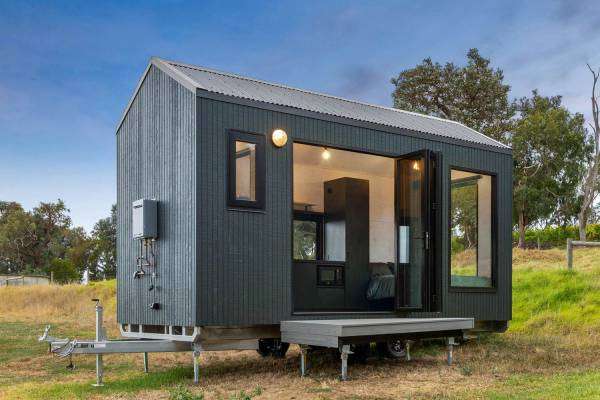 |
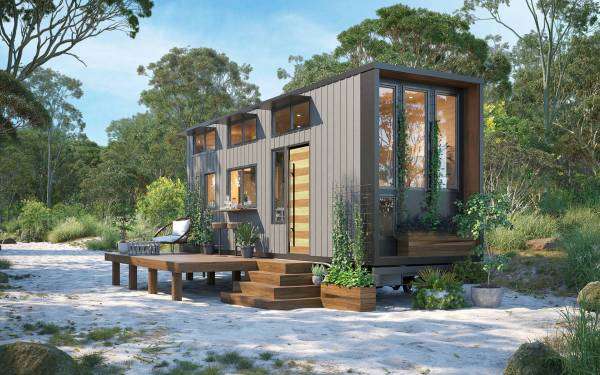 |
|
|---|---|---|
| Feature | Tiny House on Wheels (THOW) | Park Model Tiny Home |
| Built To | RVIA or IRC guidelines, sometimes uncertified | ANSI 119.5 RV standard |
| Max Width | Max 8.5 ft — road legal | 10–15 ft — wide load permit necessary |
| Max Length | Usually 16–28 feet | Up to 40–45 feet |
| Max Height | 13.5 ft road limit | Can exceed road limit when permanently placed |
| Mobility | Designed for easy towing and frequent relocation | Requires professional moving service and permits |
| Weight | Typically 8,000–14,000 lbs | Can exceed 20,000–30,000 lbs |
| Living Space (sq ft) | ~120–250 sq ft | ~300–400+ sq ft |
| Look & Aesthetic | Minimalist / compact cabin | Cottage-style home-like appearance |
| Zoning | Highly dependent on local regulations | Often accepted in RV parks and designated communities |
| Hookups | Can be off-grid — solar, composting toilet | Requires full utility hookup (water, sewer, power) |
| Foundation | Always on wheels | Often set on blocks or semi-permanent base |
| Roof Type | Lightweight roof due to mobility | Heavy-duty roof, more insulation |
| Insulation | Travel comfort — moderate insulation | Home comfort — thick insulation |
| Climate Suitability | Good for short-term and milder climates | Excellent for year-round living |
| Interior Layout | Compact, vertical storage, loft-focused | Wide floorplan, real rooms, full-size spaces |
| Furniture Compatibility | Custom small furniture necessary | Full-size standard furniture fits |
| Bathroom Size | Micro or RV-style | Residential-style bathroom |
| Kitchen Type | Compact kitchenette | Full kitchen with oven, fridge, cabinetry |
| Safety & Structure | Lightweight framing for towing | Heavy-duty framing for permanence |
| Financing | Harder to finance — unconventional asset | Easier to finance — recognized structure |
| Insurance | RV insurance, varies by state | Often easier to insure as a residential-classified RV |
| Resale Value | Unpredictable, depends on niche buyer | Generally higher — more demand for permanent use |
| Target User | Nomads, travelers, minimalists | Families, long-term dwellers, retirees |
| Living Experience | Adventure & mobility lifestyle | Stability & comfort lifestyle |
| Maintenance | Lower cost but requires movement care | Higher cost but more durable build |
| Transport Requirements | A truck can tow it | Professional hauling company required |
| Setup Time | Park & plug in — very fast | Placement, leveling, utility connection |
| Neighborhood Acceptance | Sometimes restricted | More acceptable in regulated environments |
| Rental Strategy | Good for mobile rental / short stays | Strong for Airbnb / long-term rental |
| Longevity | Built for movement — shorter lifespan | Built for residence — longer lifespan |
| Overall Purpose | Flexible, mobile housing | Permanent, comfortable small-scale housing |