
Ecolifehomes – ROI Calculator for Airbnb Investors
Affordable Tiny Homes for Airbnb Investors in 2026
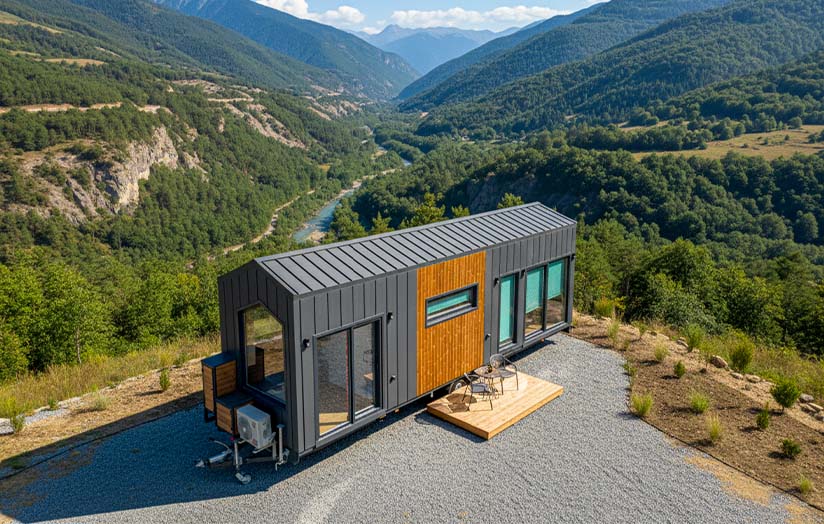
The short-term rental market keeps changing, but one thing has become clear in 2026: affordable tiny homes are no longer a niche idea for Airbnb investors. They have become a practical, scalable, and highly marketable hospitality product for hosts who want a lower entry cost, faster setup timeline, and a guest experience that feels different from a standard apartment or hotel room.
For many investors, the appeal is simple. A well-designed tiny home can cost far less than a traditional vacation rental property, require less land, and still command strong nightly rates when it is placed in the right market and presented the right way. Guests are actively searching for stays that feel memorable, stylish, cozy, and Instagram-worthy. A tiny home checks all of those boxes when it is done correctly.
At the same time, not every tiny home is a smart investment. Airbnb’s success depends on more than just buying a small structure and putting it on a piece of land. Zoning, durability, utility setup, hurricane resistance, insulation, floor plan efficiency, and local demand all matter. Investors who understand these details tend to outperform investors who only look at the purchase price.
That is exactly why more buyers are paying attention to builders like ecolifehomes.com, where the focus is not just on size, but on long term value, design efficiency, and practical build quality that supports real-world use.
Why Tiny Homes Make Sense for Airbnb Investors in 2026
The economics behind tiny homes are getting more attractive in 2026. Construction and borrowing costs are still a concern in many markets, and investors are looking for ways to reduce exposure while keeping income potential alive. Tiny homes offer a different path.
A smaller structure usually means a lower total project cost. That can reduce financing needs, shorten the payback period, and make it easier to test a short-term rental concept without committing to a much larger development budget. For first-time Airbnb investors, that lower barrier to entry is a major advantage.
Tiny homes also align with what many travelers now want. Guests increasingly prefer privacy over shared hallways, unique design over generic lodging, and experiences over square footage. A compact but beautifully planned home often performs better than a bland, larger unit. People do not just book a place to sleep anymore. They book a feeling, a story, and a setting.
In markets where glamping, eco travel, wellness retreats, and rural getaways are growing, tiny homes fit especially well. They also work in suburban and semi-rural areas where couples want a weekend escape without the price of a luxury resort.
What “Affordable” Really Means in Tiny Home Investing
Affordable does not simply mean cheap. That is where a lot of investors get burned.
A low sticker price can look attractive at first, but if the structure has weak insulation, low-quality windows, poor materials, or a layout that guests do not enjoy, the long-term return can suffer. You may save money up front and lose it later through maintenance, negative reviews, downtime, and costly upgrades.
For Airbnb investors, affordable should mean the best balance of acquisition cost, operating efficiency, durability, and guest appeal.
A truly affordable tiny home should help you control costs in these areas:
Initial build or purchase cost
Transportation and installation
Utility connection or off-grid setup
Insurance and code compliance
Maintenance and repairs
Heating and cooling efficiency
Furnishing and turnover efficiency
Marketing appeal and occupancy performance
That is why many smart buyers in 2026 are not chasing the absolute cheapest unit. They are looking for a tiny home that is affordable to buy and affordable to operate.
Why Airbnb Guests Love Tiny Homes
Tiny homes create a kind of emotional response that standard rentals often cannot. Guests tend to describe them as peaceful, intentional, warm, and memorable. Those are powerful words in the hospitality business.
A well-designed tiny home feels curated. Every corner has a purpose. Every window placement matters. Every built-in storage area, loft, seating nook, and outdoor extension adds to the overall experience. When the design is done right, guests do not feel cramped. They feel clever for booking something unique.
This matters because Airbnb listings perform better when they stand out visually and emotionally. A tiny home with modern exterior lines, natural finishes, big windows, and a smart layout can generate more clicks than a conventional rental in the same price range.
That visual advantage also helps with repeat business, social sharing, and higher perceived value. In many cases, guests are willing to pay more per square foot for something that feels special.
Best Locations for Tiny Home Airbnb Investments
Location is still king, even in the tiny home world. A beautiful unit in the wrong place can struggle. A smartly placed tiny home in the right market can outperform expectations.
Some of the strongest categories for tiny home Airbnb investments in 2026 include nature adjacent destinations, lake communities, mountain areas, wine regions, beach access zones, and rural parcels within driving distance of major metro areas. These areas tend to attract couples, solo travelers, remote workers, and weekend guests looking for a short reset.
Florida remains especially interesting. Investors continue to explore opportunities in select parts of the state where seasonal travel, warm weather, and outdoor lifestyle demand support year-round bookings. But Florida also requires extra attention to wind resistance, moisture management, code issues, and land use rules. That is one reason many buyers researching this space end up reviewing options from ecolifehomes.com, especially when they want a modern tiny home concept with durability in mind.
If you are buying for Airbnb, you should evaluate not only tourism demand but also local regulations. Some counties welcome compact dwellings more than others. Some areas allow short term rentals but place restrictions on occupancy, utility hookups, setbacks, or foundation types. The property itself can be promising while the local rules quietly kill the deal.
Features That Actually Increase ROI
Not every feature adds value. Some upgrades photograph well but do not improve bookings or pricing enough to justify the cost. Others quietly make a huge difference.
Large windows are one of the best examples of a high-value feature. They make a small space feel larger, brighter, and more premium in listing photos. Good exterior cladding is another one. Guests notice curb appeal immediately, and durable cladding reduces long-term maintenance.
A covered entry or small deck also matters more than many investors think. It creates usable outdoor space, improves first impressions, and helps the home feel more like a retreat than a box. Strong insulation and efficient climate control matter too, especially in places with heat, humidity, or temperature swings. Comfort drives reviews.
Inside the unit, layouts that prioritize an open living area, attractive kitchenette, comfortable bed setup, and well-designed bathroom usually outperform overly complicated floor plans. Loft spaces can work well, but only if they are safe, practical, and comfortable for the target guest.
For many Airbnb investors, the sweet spot is a tiny home that looks premium without becoming overloaded with expensive custom details. The goal is not to build the fanciest small house in America. The goal is to create a durable, attractive hospitality product that guests want to book again and again.
The Importance of Durability in a Rental Unit
An owner-occupied tiny home and an Airbnb tiny home are not the same thing. Rental units go through harder use. Different guests interact with the space every week. Furniture gets moved. Doors get slammed. Bathrooms stay humid. Kitchens get tested. Surfaces wear down faster.
That means investors should think like operators, not just buyers.
Materials matter more in short-term rentals than they do in many private homes. Easy to clean wall finishes, durable floors, moisture-resistant components, quality windows, and low-maintenance exteriors all help preserve profit over time. A unit that looks beautiful for the first six months but starts aging fast is not a good investment.
This is where build philosophy matters. Companies like ecolifehomes.com stand out when they focus on practical materials and modern construction logic rather than just surface-level style. For Airbnb investing, reliability is part of the product.
How to Run the Numbers Before You Buy
Tiny homes can be profitable, but only if you underwrite them carefully.
Investors should begin with total project cost, not just base unit cost. That means land, site preparation, utility work, permitting, delivery, setup, furnishings, landscaping, insurance, and platform-related operating costs should all be included. A tiny home that looks inexpensive can become much less affordable once all the real project costs are added.
Then estimate realistic nightly rates based on true comps, not fantasy numbers. Look at occupancy by season, cleaning costs, platform fees, local taxes, and reserve funds for repairs. In some markets, one well-designed tiny home can produce attractive returns. In others, the numbers only work if you develop multiple units on one site and create a stronger destination concept.
This is also why affordable tiny homes are attractive for Airbnb clusters. Instead of putting all your capital into one large house, you may be able to place multiple small units on a suitable parcel, diversify guest demand, and create a more flexible revenue model.
Design Matters More Than Square Footage
A common mistake in this market is assuming guests only care about price. They do care about price, but they also care about presentation. In fact, design quality often determines whether a tiny home looks budget-friendly or cheap.
The best performing units usually combine clean architecture, warm materials, strong lighting, and a layout that feels intentional. Exterior design matters just as much as interior design because Airbnb is a click-driven platform. If the first image stops people from scrolling, you have already created an advantage.
Tiny homes that blend modern lines with natural textures often perform especially well because they feel both stylish and calming. This is one reason so many investors look for homes that feel custom without requiring a full custom build process.
Why 2026 Is a Smart Time to Enter the Market
There is still room in the market for small-format hospitality, but the bar is getting higher. That is actually good news for serious investors.
In 2026, guests are better at spotting quality. They compare listings fast. They read reviews closely. They expect comfort, clean design, fast internet, and a space that feels professionally thought out. Investors who meet that standard can still do very well. Investors who cut too many corners are finding it harder to compete.
This favors builders and operators who understand both construction and guest experience. It also favors investors who choose affordable tiny homes that are designed for long-term performance, not just quick marketing.
Affordable Tiny Homes for Airbnb Investors
Affordable tiny homes can be one of the smartest Airbnb investment categories in 2026 when they are chosen carefully, placed strategically, and designed with both operations and guest experience in mind. The opportunity is real, but the best results usually come from treating the tiny home as a business asset rather than a novelty purchase.
The right unit should be visually strong, durable, efficient, and marketable. It should help you control costs without sacrificing appeal. It should also come from a builder who understands real usage conditions, not just showroom aesthetics.
For investors exploring this space, ecolifehomes.com is worth watching as part of the conversation. In a market where travelers want unique stays and investors want smarter entry points, a well-built affordable tiny home can be much more than a trend. It can be the foundation of a very practical hospitality strategy.