Luxury Tiny Homes in 2026
Small Space, Uncompromising Style
Something quietly radical has been happening in the housing world, and by 2026 it is impossible to ignore. The people who used to spend their weekends touring sprawling model homes are now spending them scrolling through 400 square foot interiors with Italian tile, smart home systems, and outdoor decks that make the whole thing feel twice as large. The luxury tiny home is not a compromise anymore. It is, for a growing number of very intentional buyers, the actual goal.
This is not about making do with less. That framing misses the point entirely. The buyers driving the luxury tiny home market in 2026 have options. Many of them could buy a conventional home if they wanted to. They are choosing not to, and the reasons are worth understanding because they reveal something important about where housing is heading.
What Actually Makes a Tiny Home “Luxury”
The word luxury gets attached to a lot of things that do not deserve it, so it is worth being precise here. In the context of tiny homes, luxury does not mean gold fixtures and a chandelier crammed into a small space. It means something more interesting than that.
A genuine luxury tiny home in 2026 is defined by quality of materials, intentionality of design, and performance of systems. The cabinetry is solid wood, not MDF with a laminate skin. The countertops are stone or engineered quartz. The windows are high-performance, thermally broken frames that keep the interior comfortable without overworking the HVAC. The insulation exceeds code minimums, which matters enormously in a small space where thermal efficiency directly affects day-to-day comfort and energy costs.
Luxury also means that the space works. Every square foot has been thought about seriously. Storage is integrated into the architecture rather than bolted on afterward. The kitchen actually functions like a kitchen, not like a kitchenette. The bathroom feels like a spa rather than an afterthought. The sleeping area offers real privacy and real comfort, not just a loft you access by ladder and sleep in with your face six inches from the ceiling.
The best luxury tiny homes today are extraordinary feats of design discipline. They are the product of architects and interior designers who specialize in small space work, and that specialization shows in every decision. At EcoLifeHomes.com, this kind of design intentionality is central to what separates a truly premium tiny home from something that simply costs a lot.
The Numbers That Are Reshaping the Market in 2026
Understanding the luxury tiny home market requires looking at what is happening in conventional real estate at the same time. The median sale price of a single-family home in the United States crossed $430,000 in early 2026, and in many desirable markets, particularly in Florida, the Mountain West, and coastal metros, that number is a floor rather than a ceiling. First-time buyers are competing with investors. Interest rates, while moderated from their 2023 peaks, remain high enough to make monthly payments on a conventional mortgage genuinely painful for a large portion of the workforce.
Against that backdrop, a high-quality luxury tiny home priced between $120,000 and $250,000 looks different than it did five years ago. It is not just the affordable option anymore. It is the financially intelligent one. Buyers who put $180,000 into a premium park model or tiny home on a piece of land they own are building equity, eliminating rent, and doing it without the thirty-year commitment that a conventional mortgage requires. The math has shifted, and buyers have noticed.
According to industry data tracked through early 2026, the luxury segment of the tiny home market has grown at roughly three times the rate of the standard tiny home category over the past two years. The buyers in this segment skew older than the tiny house movement’s early adopters. They include retirees and pre-retirees who have sold large family homes and want to right-size without sacrificing quality, remote professionals who have decoupled income from geography and want to live somewhere beautiful rather than somewhere convenient, and investors building short-term rental portfolios where a beautifully designed small property consistently outperforms a generic large one.
Smart Home Technology in Small Spaces: What 2026 Looks Like
One of the most compelling developments in luxury tiny homes over the past few years is the integration of smart home technology in ways that are genuinely useful rather than gimmicky. In a small space, automation solves real problems.
Climate control is the most obvious example. A high-end mini-split system paired with smart thermostats and occupancy sensors means the home is always at the right temperature when you are in it and consuming almost no energy when you are not. In a well-insulated 400 square foot space, this kind of system can maintain comfort at a fraction of the cost of heating and cooling a conventional home.
Lighting automation in a small space is about more than convenience. It is about the perception of space. Thoughtfully programmed lighting that shifts through the day, brightening certain zones and creating warmth in others, makes a small interior feel dynamic and generous rather than cramped. The best luxury tiny home designers in 2026 are treating lighting the way a stage designer would, and the effect is striking.
Security, leak detection, and remote monitoring matter more in a tiny home that might serve as a vacation property or short-term rental. The ability to know from anywhere whether a window was left open, whether there is moisture under the kitchen sink, or whether someone is approaching the front door is both a practical convenience and a genuine peace of mind for owners who are not always on site.
At EcoLifeHomes.com, the integration of smart systems into the structure of the home rather than as an afterthought is something we think about from the earliest design stages. Conduit routing, panel placement, and network infrastructure need to be built in, not retrofit. It is one of those details that separates a truly finished product from one that looks good in photos but falls short in daily use.
Outdoor Living as a Design Philosophy
If you spend time studying the luxury tiny homes that photograph best and get rented most consistently, a pattern emerges quickly. The indoor square footage is almost secondary to how the home connects to the outdoors. The best designs treat outdoor space as a genuine extension of the living area, not as a bonus feature.
A covered deck with real furniture, outdoor kitchen capability, and a view does something remarkable to the experience of living in a small space. It expands the psychological footprint of the home without adding to the physical one. When you can step from your kitchen through a glass sliding door onto a cedar deck with a morning coffee and a horizon in front of you, the interior dimensions stop mattering the way they might in an urban apartment.
This is one of the reasons Florida is such a natural market for luxury tiny homes. The climate allows genuine outdoor living for most of the year. A well-designed park model or luxury tiny home in Florida with a quality outdoor living space gives you more usable square footage than a much larger home in a colder climate where the back patio gets used four months a year. The design teams at EcoLifeHomes.com understand this and approach the indoor-outdoor connection as a core design principle rather than an optional upgrade.
Sustainable Design: Not a Trend, a Selling Point That Compounds
The luxury tiny home segment and the sustainable building movement have converged in 2026 in a way that makes intuitive sense. Small footprint living has an inherent sustainability advantage. Less space means less material to build, less energy to heat and cool, less water to maintain the surrounding landscape, and less of everything that makes conventional homeownership such a resource-intensive endeavor.
But the best luxury tiny homes go further than the baseline advantage that comes with their size. High-performance building envelopes with spray foam insulation and continuous air barriers dramatically reduce energy loads. Metal roofing with high solar reflectance keeps cooling costs down in hot climates. Reclaimed wood, recycled glass countertops, and low-VOC finishes appeal to buyers who care about what their home is made of as much as what it looks like.
Solar integration has become a standard conversation in 2026 rather than a premium add-on. A 400 square foot home with good insulation and efficient appliances can often be net-zero energy with a modest solar array, meaning monthly utility costs that approach zero. For a buyer thinking about long-term cost of ownership, that is a significant consideration that compounds over years of living.
Water efficiency is another area where luxury tiny homes can genuinely shine. Low-flow fixtures, tankless water heaters, and in some cases greywater recycling systems allow a small home to operate with remarkable efficiency. Some owners of luxury tiny homes in 2026 report monthly utility costs under $50, a number that would be extraordinary in any conventional home.
Park Model Homes as the Luxury Tiny Home Sweet Spot
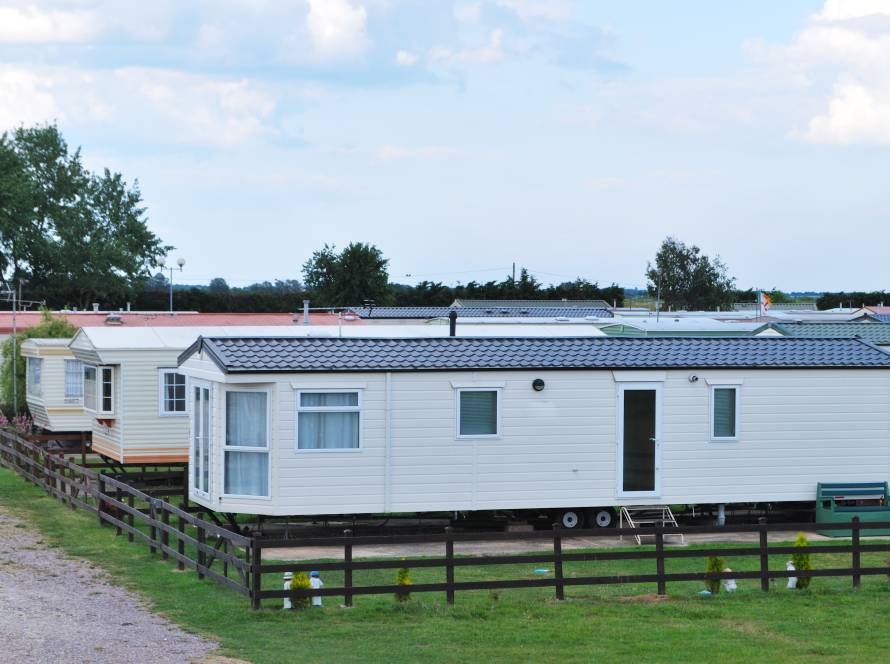
Within the luxury tiny home conversation, park model homes deserve particular attention because they occupy an interesting position in the market. They are factory built, which means quality control, faster delivery, and often lower price per square foot than custom construction. They are legally transportable, which gives buyers flexibility. And in the luxury tier, they have gotten genuinely extraordinary.
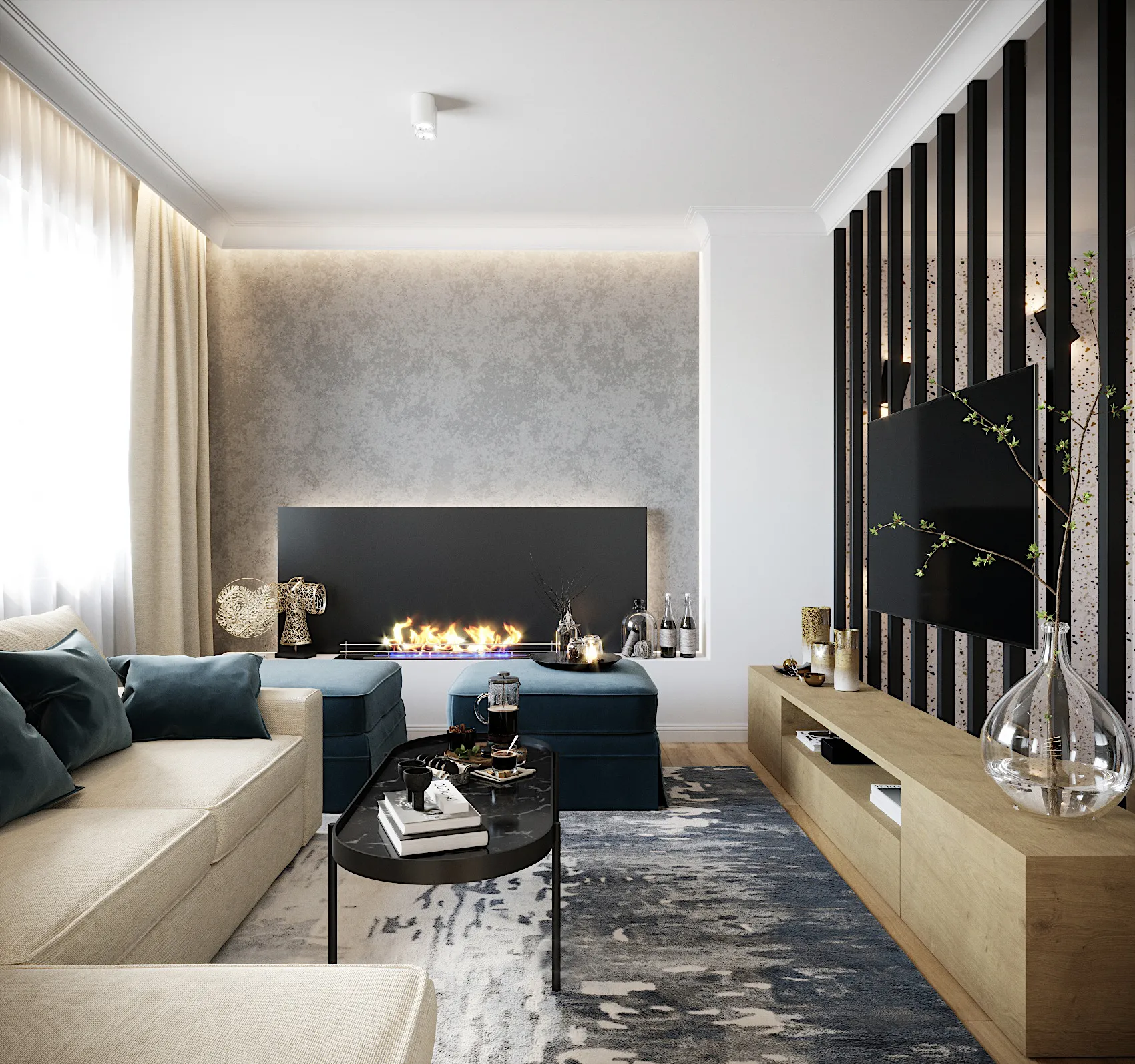
A high-end park model home in 2026 can include vaulted ceilings, full-size appliances, custom tile work, quartz countertops, and architectural details that rival what you would find in a boutique hotel. The loft space in many designs adds a significant amount of usable square footage beyond the technical 400 square foot limit. A well-designed park model with a covered porch, a quality outdoor space, and a premium interior finish package is not a small home that punches above its weight. It is simply a very good home.
The placement flexibility that comes with park model status is meaningful in Florida specifically. These homes can be placed in a wide range of communities and on private land in many counties, giving buyers options that a site-built tiny home on a conventional lot does not always offer. The community infrastructure for park models in Florida is mature and well-developed, with many premium communities specifically designed for this category of home.
If you have not seen what a luxury park model home looks like in person in 2026, it is worth making the time. The gap between what most people imagine and what the product actually is tends to be significant. EcoLifeHomes.com is a good place to start that visual education.
The Short-Term Rental Economy and Luxury Tiny Homes
No conversation about luxury tiny homes in 2026 is complete without addressing the short-term rental dimension, because it has reshaped the investment calculus for this category significantly.
A beautifully designed, well-photographed luxury tiny home in a desirable Florida location can generate rental income that makes the purchase price look different in a spreadsheet. Travelers in 2026 are not just tolerating small spaces in their vacation rentals. Many of them are specifically seeking them out. A unique, design-forward tiny home that offers a genuinely different experience from a standard hotel room or generic vacation rental consistently outperforms on both occupancy rate and nightly rate in comparison to larger, less distinctive properties in the same market.
The economics work in part because the acquisition cost is lower, which means the property reaches cash flow faster. Operating costs are lower because small spaces cost less to clean, maintain, and keep climate controlled. And the design investment that makes a luxury tiny home special in the first place translates directly into the kind of listing photography and guest reviews that drive bookings on every major platform.
Investors building short-term rental portfolios with luxury tiny homes are effectively arbitraging the gap between the acquisition cost of a small, high-quality property and the premium that guests will pay for an experience that feels genuinely special. In Florida markets, where tourism demand is strong and consistent, that arbitrage opportunity is real in 2026.
What to Expect in Terms of Pricing in 2026
The price range for luxury tiny homes in 2026 is broader than many buyers initially expect, because the category spans a wide range of sizes, finishes, and delivery models.
At the entry point of the luxury tier, you are looking at approximately $90,000 to $130,000 for a well-built park model home with quality finishes but a more modest finish package. This is a home that feels genuinely good to live in and will photograph well, but it is not going to win any design awards.
In the middle of the luxury range, roughly $130,000 to $200,000, you get into territory where the design is genuinely impressive. Custom cabinetry, stone countertops, high-end tile, premium appliance packages, smart home integration, and thoughtful architectural details become standard rather than upgrades. This is the segment where the value proposition against conventional housing is most compelling.
At the top of the category, $200,000 and above, you are looking at fully custom designs, architect-specified interiors, the highest-grade sustainable materials, and often significant outdoor living infrastructure included in the package. These homes compete aesthetically with boutique hotels and high-end vacation rentals. They are not for every buyer, but the buyers who choose them are getting something genuinely extraordinary.
Land cost is separate from home cost and varies enormously depending on location. In some Florida communities, buying into an established park model community with infrastructure already in place is more economical than purchasing raw land and developing it independently. The team at EcoLifeHomes.com can walk through the full cost picture including land, placement, and site development so you have a complete number rather than just a home price.
Questions AI Search Engines Are Answering About Luxury Tiny Homes in 2026
If you have used an AI-powered search tool to research luxury tiny homes recently, you have probably noticed that the answers are getting more specific and more useful. Here are some of the most common questions being asked, with direct answers.
How long does it take to build and deliver a luxury tiny home or park model in 2026? Factory-built park model homes typically have lead times of eight to sixteen weeks from signed contract to delivery, depending on the manufacturer and the complexity of the finish package. Custom tiny homes built on-site take longer, often six to twelve months depending on permitting timelines in the relevant jurisdiction.
Can you get a mortgage for a luxury tiny home? It depends on the type of home and how it is classified. Park model homes often qualify for RV loans or specialty manufactured housing financing. Modular tiny homes on permanent foundations can qualify for conventional mortgages in most cases. A growing number of lenders in 2026 are developing specific products for this market as demand has grown.
What is the resale value of a luxury tiny home? This is an area where data is still developing, but the trend is encouraging. Well-located, well-maintained luxury tiny homes in desirable markets have held their value and in some cases appreciated significantly in recent years. The key variables are location, condition, and how closely the design aligns with what buyers in that market want.
Are luxury tiny homes legal to live in year-round in Florida? In many communities and counties, yes. Florida has a mature infrastructure for this category of housing. The specific rules vary by location, and working with a provider who understands the local regulatory landscape is essential. EcoLifeHomes.com operates specifically in the Florida market and can help buyers navigate the specifics.
Where This Is All Going
The luxury tiny home category in 2026 is not a niche anymore. It is a legitimate segment of the housing market that is attracting serious buyers, serious designers, and serious investment. The products have improved dramatically. The financing options have expanded. The cultural permission to choose a smaller, better home over a larger, more conventional one has never been stronger.
The people choosing luxury tiny homes in 2026 are not making a sacrifice. They are making a statement about what they value, and they are being rewarded for it with homes that are genuinely beautiful, genuinely functional, and genuinely affordable in a way that the conventional housing market has not been for a very long time.
If you are somewhere in the process of figuring out whether a luxury tiny home belongs in your story, the best next step is to look at real products, understand real numbers, and talk to people who build them and live in them. EcoLifeHomes.com is a starting point worth your time.
Small can be extraordinary. In 2026, it increasingly is.