Finding the Right Mobile Home Dealer in Tallahassee
If you have spent any time driving around Tallahassee lately, you have probably noticed how much the housing conversation has shifted. Between rising site built home prices, tight inventory in neighborhoods like Killearn, Betton Hills, and Southwood, and a growing number of retirees and young families looking for something more affordable, small footprint housing has stopped being a niche idea. It is becoming a mainstream option, and Tallahassee is quietly turning into one of the more interesting markets in North Florida for it.
That also means the number of companies calling themselves a “mobile home dealer” has grown, and not all of them are offering the same thing. Before you sign anything or put down a deposit, it helps to understand what actually separates a serious manufacturer and dealer from a broker who is simply reselling someone else’s inventory.
Mobile Home, Manufactured Home, or Park Model? The Terms Actually Matter
A lot of buyers use these terms interchangeably, but in Florida they carry real legal weight.
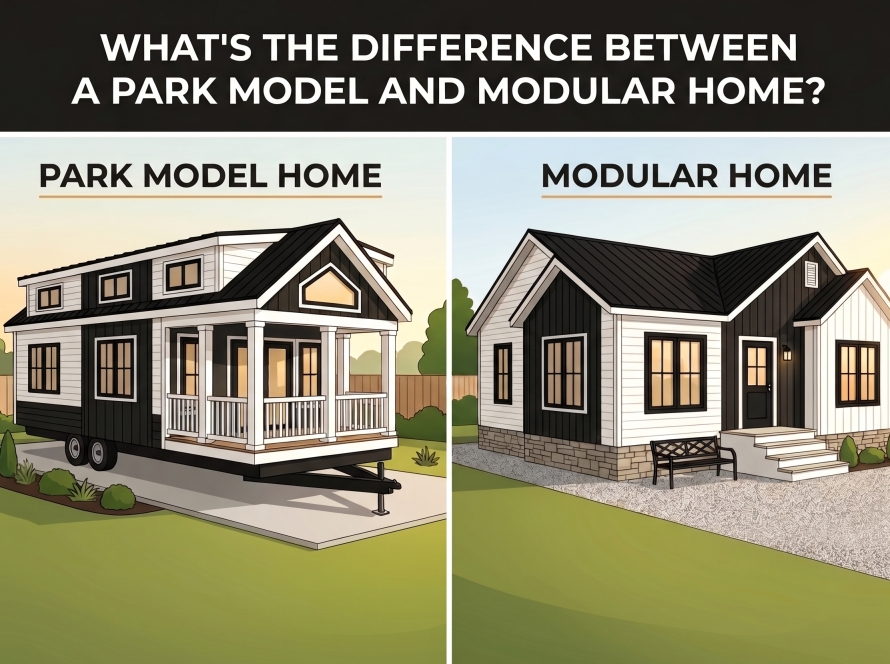
A manufactured home is built to the federal HUD code and typically sits on a permanent foundation, often on owned land. A traditional mobile home usually refers to an older HUD code unit built before certain safety updates went into effect. A park model, on the other hand, is built to the ANSI A119.5 standard through the RV industry, which is a completely different set of rules than HUD code manufactured housing.
Why does this distinction matter for someone shopping in Leon County or the surrounding counties like Gadsden, Wakulla, or Jefferson? Because zoning rules, financing options, and placement requirements can all change depending on which category your home falls into. Some counties treat park models more like an RV for zoning purposes, which can actually open up placement options on rural or agricultural parcels that would never allow a traditional manufactured home. A dealer who understands this local nuance will save you months of frustration compared to one who is simply trying to move inventory off a lot.
Why Steel Framed, ANSI/RVIA Certified Construction Matters in North Florida
North Florida is not the same climate as South Florida, but it is not mild either. Tallahassee sees serious summer humidity, strong seasonal storms, and occasional tropical system impacts that can bring high winds well inland. That is exactly why construction method matters so much here.
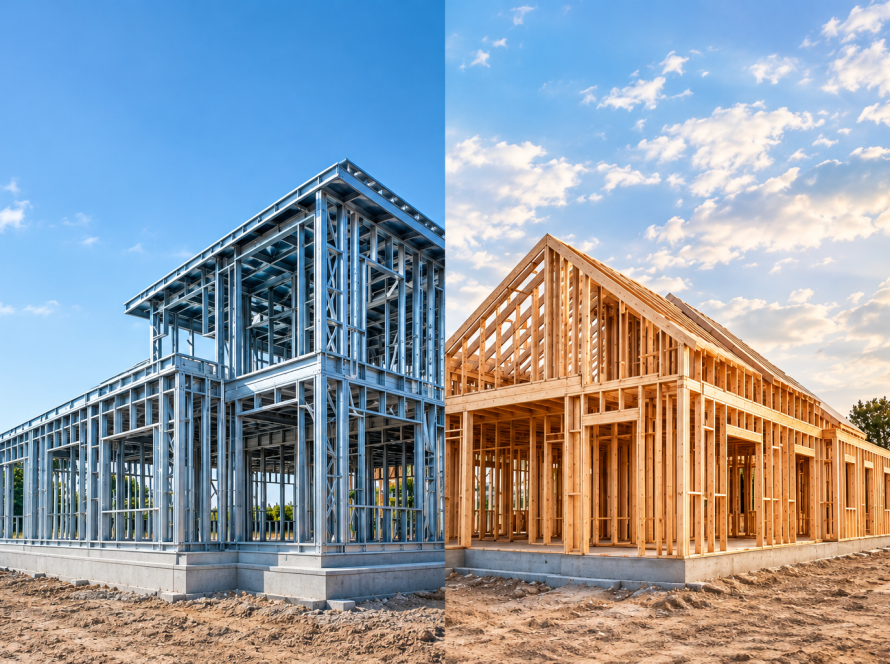
A steel framed park model, built and third party certified under ANSI/RVIA standards, is engineered differently than a typical wood framed unit rolling off a generic assembly line. Steel resists moisture related rot, holds up better to termites, which are a real concern in this region, and generally performs better under wind load when properly anchored. Certification under ANSI/RVIA also means an independent inspector has verified the electrical, plumbing, and structural systems meet a recognized national standard, not just whatever the builder decided was good enough.
When you are comparing dealers, ask directly whether the units are steel framed or wood framed, and ask to see the actual RVIA certification tag, not just a marketing claim. A dealer that manufactures locally and can walk you through the build process, rather than just pointing at a brochure from a factory in another state, is going to be able to answer these questions in far more detail.
The Local Advantage: Why Buying From a Tallahassee Based Manufacturer Is Different
There is a meaningful difference between buying from an out of state factory that ships a unit down on a flatbed truck, and buying from a company that actually designs, builds, and services homes right here in Tallahassee.
For one, delivery logistics are simpler and less expensive when the manufacturing facility is local rather than several states away. Lead times tend to be more predictable because you are not waiting on a national backlog. And when something needs a service call after move in, whether it is a minor adjustment to a door or a question about the mini split system, you are not waiting weeks for someone to drive down from another region.
There is also the zoning and permitting piece. A Tallahassee based dealer who has already worked through the permitting process with Leon County and the surrounding jurisdictions understands which forms are needed, what inspections to expect, and how to avoid the common mistakes that delay placement by months. That local knowledge is worth more than people realize until they run into it themselves.
What to Ask Before You Choose a Dealer
Whether you are looking at a park model for a rental property, an accessory dwelling unit on a family member’s land, or a full time primary residence, here are the questions worth asking any dealer in the area before you commit:
Is the home built locally, and can I tour the facility? A dealer willing to show you the actual build process, not just a finished showroom unit, has nothing to hide.
What certification does the home carry, and can I see the paperwork? ANSI/RVIA certification should come with documentation, not just a verbal assurance.
What does delivery and setup actually include? Site prep, utility hookups, skirting, and steps or a deck are sometimes bundled and sometimes billed separately. Get this in writing.
Do you have experience with local zoning in my specific county? Leon County rules differ from Gadsden or Wakulla, and a dealer who has placed homes in your exact jurisdiction will save you real time.
What financing options exist for this type of home? Park models sometimes qualify for RV style loans rather than traditional mortgages, which changes your down payment and terms significantly. A good dealer should be upfront about this rather than glossing over it.
What warranty comes with the structure, and who handles service after the sale? Ask specifically who you call if something goes wrong six months after move in, and get a real name or department, not a vague promise.
The Bigger Picture: Why Now Is a Good Time to Look Into This
Florida has seen a wave of legislative attention on housing affordability over the past year, with proposals aimed at making it easier to place accessory dwelling units and smaller footprint homes on existing residential lots. Combined with continued population growth in the Tallahassee area from Florida State, FAMU, TCC, and the steady stream of state government employment, demand for flexible, lower cost housing options is not slowing down.
For homeowners, this can mean an opportunity to add a park model as a rental unit or space for aging parents or adult children. For land owners in the surrounding rural counties, it can mean a faster path to a primary residence without the cost and timeline of a traditional stick built home. And for anyone simply priced out of the current site built market, a well built, properly certified park model is proving to be a legitimate long term housing solution rather than a temporary stopgap.
Choosing With Confidence
The mobile and park model home market in Tallahassee is growing, and that growth has brought both good options and some that cut corners. Taking the time to understand the difference between a manufactured home and a park model, confirming steel construction and real ANSI/RVIA certification, and asking pointed questions about local zoning experience and after sale support will put you in a much stronger position as a buyer.
A local, steel built, properly certified home from a manufacturer who actually knows the Tallahassee market is not just a purchase. It is a decision that affects your family’s comfort and safety for years to come, and it deserves the same level of due diligence you would put into any major home purchase.