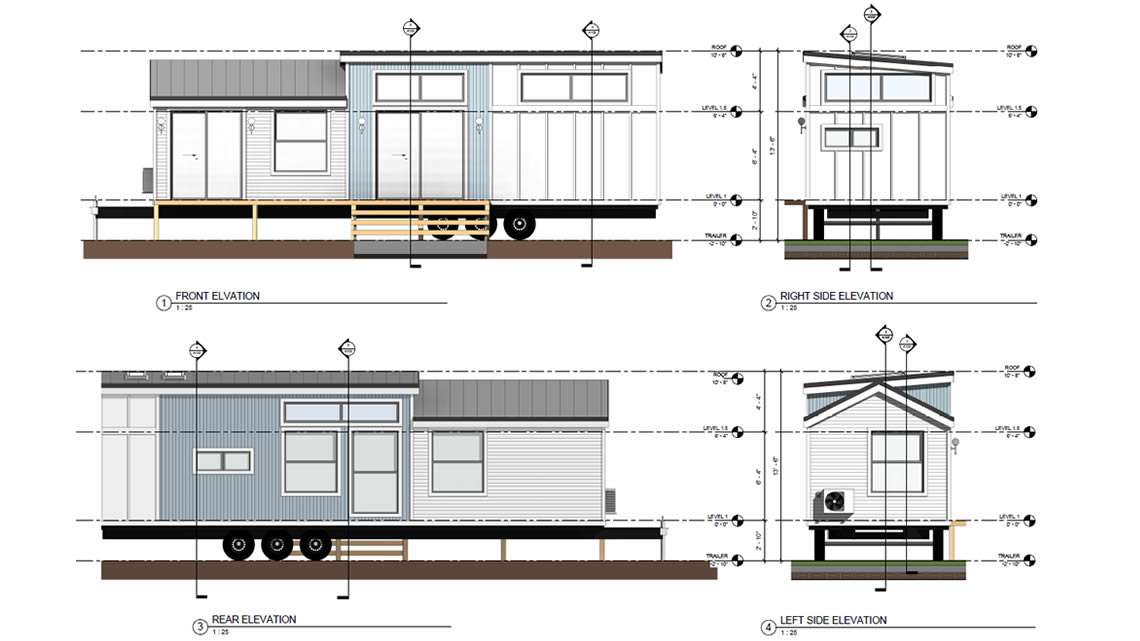
Affordable Tiny Homes in Florida

A Real Guide for Real Buyers in 2026
Florida has always had a way of making people want to stay. The weather, the water, the energy of the place. But for a growing number of people, the dream of living in Florida has collided hard with the reality of what Florida housing actually costs right now. The median single family home in Florida is sitting above 400,000 dollars. Rent in most major metro areas runs well past 2,000 dollars a month. And homeowners insurance has become its own separate financial crisis, with carriers pulling out of the state and premiums climbing to levels that would have seemed unbelievable just five years ago.
Into that environment, affordable tiny homes have arrived as something more than a lifestyle trend. For a lot of Floridians and for people looking to relocate here, they represent a genuinely viable path to owning property in a state that has increasingly priced out the middle of the market. But the phrase “affordable tiny home” covers an enormous range of products, quality levels, and ownership experiences. Knowing what you are actually looking at when you start researching this market is the difference between a smart purchase and an expensive mistake.
This guide is written for people who are serious about understanding affordable tiny home options in Florida. Not for people who want to be charmed by Instagram-worthy interiors. For people who want to know the real numbers, the real process, the real tradeoffs, and the real opportunities that exist in this market right now.
Why Affordable Tiny Homes Have Become a Serious Option in Florida
The tiny home conversation in Florida used to live mostly on the fringes. It was associated with extreme minimalists, off-grid enthusiasts, and people who had decided to opt entirely out of conventional housing. That is not the conversation anymore. The buyers entering the Florida tiny home market today include retired teachers on fixed incomes who want to stay in Florida without bankrupting themselves. They include young professionals who want to own something instead of renting indefinitely. They include investors who have watched traditional real estate prices move beyond what the rental math can support. And they include families who simply want a vacation property in Florida without a 30-year mortgage attached to it.
What changed is not just the economics, though the economics are a powerful driver. What changed is the product itself. Modern affordable tiny homes, particularly park model homes built to current ANSI and RVIA certification standards, are dramatically better than what was available even a decade ago. Better insulation, better HVAC systems designed specifically for Florida’s heat and humidity, better structural engineering for wind resistance, better interior design that makes small spaces feel genuinely comfortable rather than merely tolerable. The quality floor has risen, and that has made the conversation about tiny home ownership much more serious for many more people.
Florida’s regulatory environment has also evolved in ways that make tiny home ownership more accessible than it used to be. Many counties have updated their zoning frameworks to better accommodate small homes. The state’s well-developed RV park and resort community infrastructure provides legal placement options that are already built out and ready to receive park model homes. And the growth of dedicated tiny home communities across Florida has created purpose-built neighborhoods where the legal, utility, and community frameworks are already in place.
What Affordable Actually Means in the Florida Tiny Home Market
Before going further, it is worth being honest about what “affordable” means in this context, because the word gets stretched in ways that can mislead buyers who are working with real budget constraints.
At the entry level of the Florida tiny home market, you can find basic park model units starting in the range of 45,000 to 60,000 dollars. These are real homes with functional kitchens and bathrooms, but they are basic in their finishes, limited in their square footage, and built to minimum certification standards rather than premium engineering specs. For someone with a tight budget who needs a functional place to live, they can work. But they carry tradeoffs in durability, comfort, and long-term maintenance costs that are worth understanding upfront.
The mid-range of the market, roughly 70,000 to 110,000 dollars, is where most serious buyers end up when they balance upfront cost against long-term value. At this price point, you get meaningful improvements in construction quality, better materials, more thoughtful floor plan design, and engineering that is better suited to Florida’s specific climate challenges. This is also the range where you start seeing all-steel frame options, which carry real advantages in a state where humidity, salt air, and hurricane exposure are ongoing realities rather than occasional concerns.
Above 110,000 dollars, you enter the premium park model and high-end tiny home territory, with custom finishes, advanced energy systems, and construction quality that approaches or matches traditional site-built homes. These are not what most people have in mind when they search for affordable tiny homes, but they exist and they serve a market of buyers who want the small footprint with uncompromising quality.
The critical point is that the home price alone does not tell the full story of affordability. Lot rent, insurance, utilities, and maintenance are real ongoing costs that vary significantly depending on where the home is placed and how it is built. A 55,000 dollar home in a community with 1,200 dollar monthly lot rent may be less affordable over five years than a 90,000 dollar home in a community with 450 dollar monthly lot rent and lower insurance premiums due to better construction standards. Run the full numbers, not just the sticker price.
The Different Types of Affordable Tiny Homes Available in Florida
Not every affordable tiny home is the same kind of product, and the type you choose has significant implications for where you can place it, how it is financed, and what the ownership experience looks like.
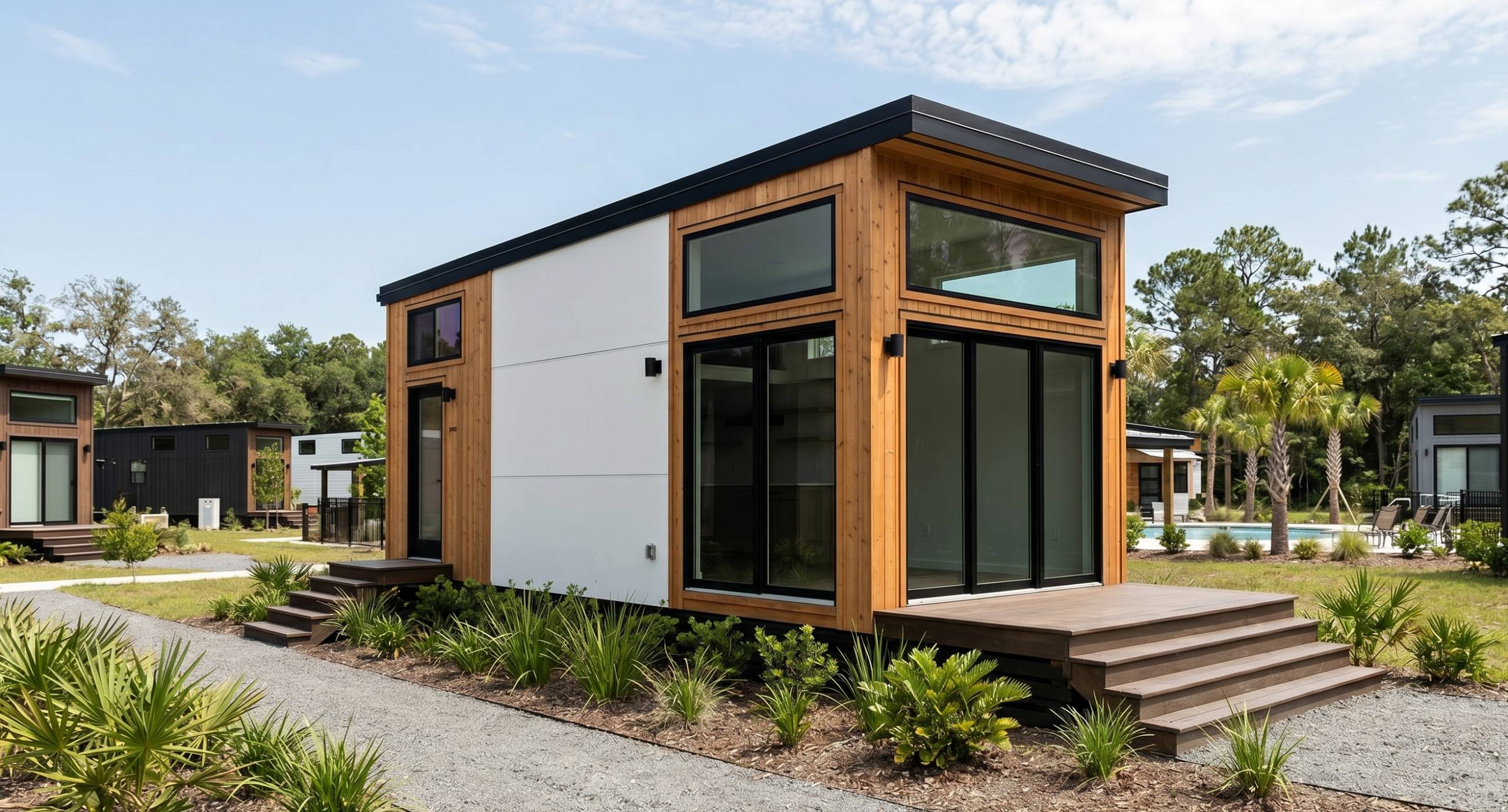
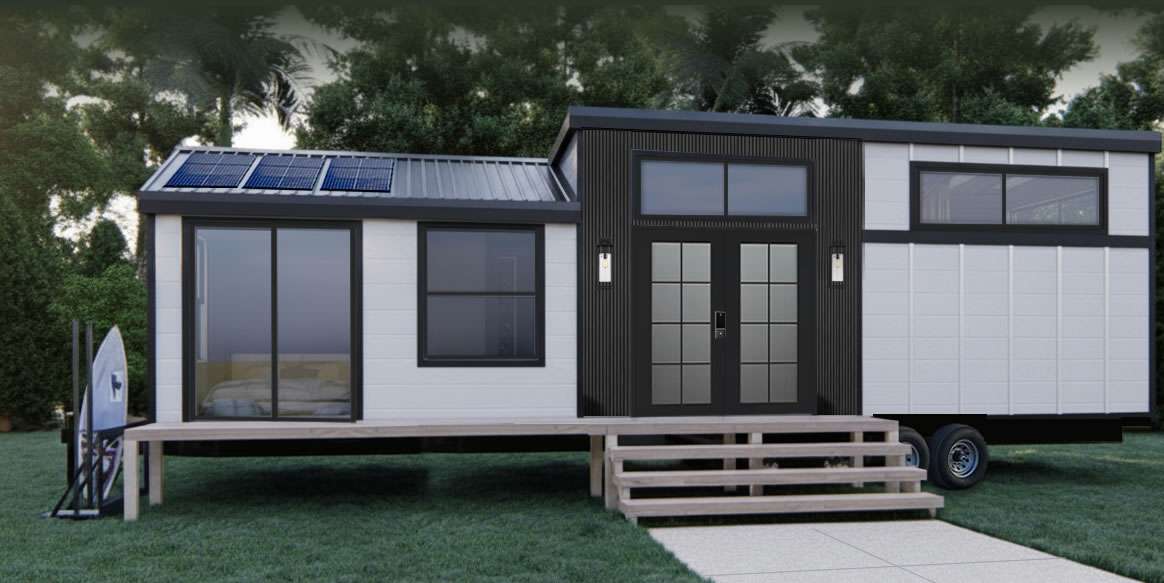
Park model homes are the dominant product in the Florida affordable tiny home market. These are factory-built homes classified as recreational vehicles under the ANSI A119.5 standard, with up to 499 square feet of living space in Florida. They are built in a controlled factory environment, transported to the site, and connected to utilities. Because they are classified as RVs, they can be placed in Florida’s extensive network of RV parks and resort communities without the regulatory complexity that comes with site-built construction. They are the most accessible entry point into affordable tiny home ownership in Florida for most buyers.
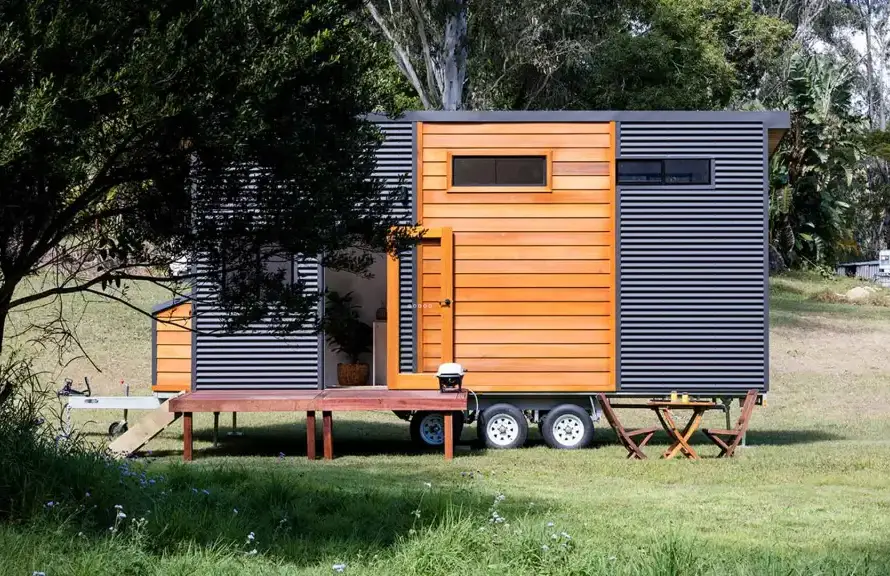
Tiny homes on wheels, also called THOWs, are a different product. They are built on trailer chassis, typically under 400 square feet, and are intended to be towable. They offer maximum flexibility in terms of mobility, but they also come with real limitations around placement. Not every community that accepts park model homes will accept THOWs, and the rules around where you can legally park and live in a THOW in Florida require careful research. For buyers who genuinely want mobility and flexibility, THOWs are worth exploring. For buyers who primarily want an affordable, stable place to live, park model homes are usually the more practical choice.
Modular tiny homes, built to the Florida Building Code rather than RV standards, occupy a different legal category. They are placed on permanent foundations and are treated more like traditional homes from a regulatory and financing standpoint. They can be placed on privately owned land in appropriately zoned areas, which opens up options that are not available to park model or THOW buyers. They also typically qualify for traditional mortgage financing, which park models and THOWs generally do not. The tradeoff is higher overall cost and greater regulatory complexity in the placement process.
Container homes and other alternative construction types exist on the fringes of the Florida affordable housing conversation, but they come with their own set of regulatory, financing, and practical challenges that make them significantly less accessible than park model homes for most buyers.
Where to Place an Affordable Tiny Home in Florida
Placement is one of the most important decisions in the affordable tiny home buying process, and it is one where buyers frequently underestimate the complexity involved. Florida is generally a supportive state for tiny home living, but the specifics vary enormously by county, by municipality, and by the type of home you are placing.
Established RV parks and resort communities are the most straightforward placement option for park model homes. These communities already have the utility infrastructure in place, the regulatory approvals sorted out, and a ready-made community of neighbors who understand the lifestyle. The quality and character of these communities varies enormously, so visiting in person before committing is important. Lot rent, community rules, guest policies, pet policies, and rental allowances are all factors that differ significantly from park to park.
Dedicated tiny home communities are a growing presence in Florida. These are communities developed specifically for small home living rather than adapted from traditional RV parks. They tend to have a more curated community culture, sometimes include shared amenities designed for the tiny home lifestyle, and often attract buyers who are intentional about living small rather than buyers who are simply looking for the cheapest available option. Lot rents in dedicated tiny home communities vary, but the community experience tends to be more cohesive than in a general purpose RV park.
Private land placement is possible for some types of tiny homes in Florida, but requires careful verification with local zoning authorities. Florida counties vary significantly in their willingness to permit tiny homes or park models on privately owned residential land. Some counties have actively worked to accommodate these uses. Others maintain minimum dwelling size requirements or other restrictions that effectively prohibit them. If owning the land your home sits on is important to you, researching which counties and municipalities permit this arrangement is an essential step before you start shopping for a home.
Some Florida communities have begun developing lot ownership models specifically for park model homes, where buyers purchase both the home and the land it sits on rather than paying ongoing lot rent. This model dramatically changes the long-term economics of ownership and gives buyers equity accumulation that is not possible with a lot rent arrangement. These opportunities are not yet widespread, but they are growing and worth specifically seeking out if land ownership is a priority for you.
Financing an Affordable Tiny Home in Florida
Financing is one of the areas where affordable tiny home buyers most frequently run into surprises, and getting clear about your options before you start shopping will save you a lot of frustration.
Traditional mortgage financing is generally not available for park model homes classified as RVs. Fannie Mae and Freddie Mac backed mortgages require permanent foundation installation and typically a minimum of 400 square feet, which excludes most park model products. This means most park model buyers are working with cash, personal loans, or chattel loans rather than conventional mortgages.
Chattel loans, sometimes called manufactured home loans or personal property loans, are the most common financing vehicle for park model home purchases. These are loans secured by the home itself rather than by real estate. Interest rates on chattel loans are typically higher than conventional mortgage rates, and terms are often shorter, which means monthly payments can be higher than buyers expect even on a relatively low purchase price. Shopping multiple chattel loan lenders before committing is worth the effort, as rates and terms vary meaningfully.
Some buyers finance park model home purchases through personal loans, home equity loans on other properties they own, or cash from retirement or investment accounts. Each approach has its own cost and tax implications that are worth discussing with a financial advisor who understands this specific type of purchase.
It is worth noting that modular tiny homes placed on permanent foundations and built to Florida Building Code standards can often qualify for traditional mortgage financing, which is one of the meaningful advantages of that product type over park model homes for buyers who need conventional mortgage access.
The Florida Climate Consideration That Most Buyers Underestimate
Florida’s climate is one of the reasons people want to live here. It is also one of the most important factors in evaluating the long-term value of an affordable tiny home purchase, and it is one that many first-time buyers do not think through carefully enough.
Heat and humidity are relentless in Florida for most of the year. A tiny home that is not well-insulated and not equipped with a properly sized and efficient HVAC system will be uncomfortable and expensive to cool. This is not a minor comfort issue. In Florida’s summer heat, an inadequately cooled home is a genuine health risk. Evaluating the insulation specifications and HVAC system of any tiny home you are seriously considering is not optional. Ask specifically about R-values, window specifications, and whether the HVAC system is rated for Florida’s climate zone.
Hurricane and wind exposure is the other climate reality that Florida tiny home buyers cannot afford to ignore. An affordable tiny home that is not engineered for Florida’s wind loads is a financial liability and a safety risk. Ask every manufacturer and seller you talk to for specific wind rating documentation. Ask whether the home meets Miami-Dade wind code standards. Ask what anchoring system is required and whether it is included in the purchase. A tiny home that costs 20,000 dollars less but has inadequate wind engineering is not a bargain in Florida. It is a liability.
Salt air corrosion is a real factor for tiny homes placed in coastal areas of Florida. Materials that hold up well in inland environments can deteriorate significantly faster when exposed to persistent salt air. Steel frames with proper galvanization or coating, marine grade hardware, and exterior materials chosen for coastal durability are worth specifying for homes placed within a reasonable distance of the coast.
Termites are a year-round concern in Florida that traditional homeowners manage through regular treatment and vigilance. One of the genuine advantages of steel-framed construction for Florida tiny homes is that steel provides nothing for termites to consume. For buyers who want to minimize the ongoing pest management burden, this is a meaningful practical advantage beyond the structural and wind resistance benefits.
How to Evaluate Affordable Tiny Home Manufacturers and Sellers
The affordable tiny home market in Florida includes builders and sellers at every level of quality and integrity, and doing your homework on who you are buying from is at least as important as evaluating the home itself.
Start with certification. Every park model home offered for sale in Florida should carry current RVIA or ANSI A119.5 certification. This is not negotiable. A park model home without proper certification may not be legally placeable in Florida’s RV communities, may not be insurable, and is a product that was built outside the standards designed to protect buyers. If a seller cannot produce certification documentation on request, that conversation should end there.
Look for Florida-specific experience. A manufacturer who builds homes primarily for mild climates and has limited experience delivering and installing in Florida does not have the same track record as one who has been operating here through multiple hurricane seasons. Florida’s climate, regulatory environment, and installation requirements are specific enough that local experience matters.
Ask for references from Florida buyers and, if possible, visit homes that have been in place for at least a few years. A home that looks great on the lot the day it is delivered tells you something. A home that still looks great, performs well, and has required minimal unplanned maintenance three or four years into Florida’s heat, humidity, and storm exposure tells you much more.
Be appropriately skeptical of prices that seem significantly lower than the market average. The affordable tiny home market does have its share of products that are built to a price point rather than a quality standard. The lowest initial cost is not always the most affordable option when you account for the full ownership experience over five or ten years.
Building a Realistic Picture of Tiny Home Affordability in Florida
Here is the honest summary of what affordable tiny home ownership in Florida can look like when you put the full picture together. The home purchase itself can be accomplished for significantly less than a traditional Florida home. For buyers who qualify for chattel loan financing, monthly payments on a park model home can be quite manageable. Lot rent adds a meaningful ongoing cost that needs to be factored in from the start. Insurance, while required, can be reasonable for a well-built home in an appropriate location. Utilities in a well-insulated small home tend to be lower than in a larger traditional home.
The result, for the right buyer in the right situation, is a total monthly cost of ownership that is genuinely lower than renting a comparable living space in most Florida markets. That is a real affordability advantage and it is why the market has been growing as steadily as it has.
The key is going in with clear eyes about what you are buying, where you can put it, how you will finance it, and what the ongoing costs look like in your specific situation. Affordable tiny home ownership in Florida is real. It works for a lot of people. It is not without complexity and it is not without tradeoffs. But for buyers who do the research and make informed decisions, it represents one of the most genuinely accessible paths to property ownership in a state that has made that increasingly difficult in the traditional housing market.
Florida is still worth being here for. And for more people every year, an affordable tiny home is how they are making that happen.
Our Best Project in Florida
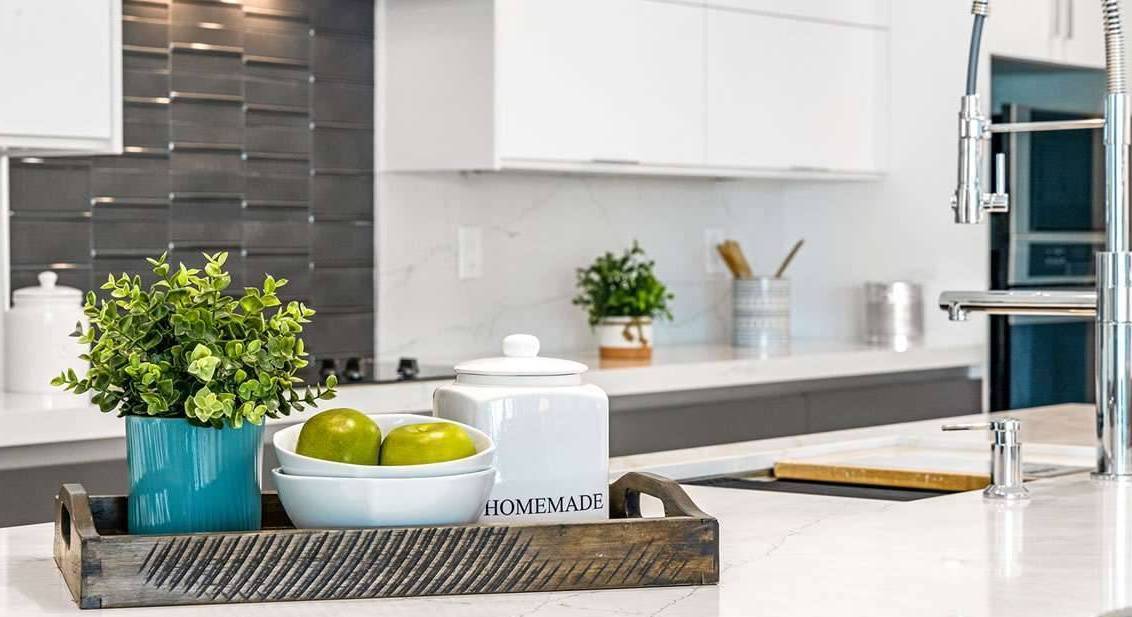
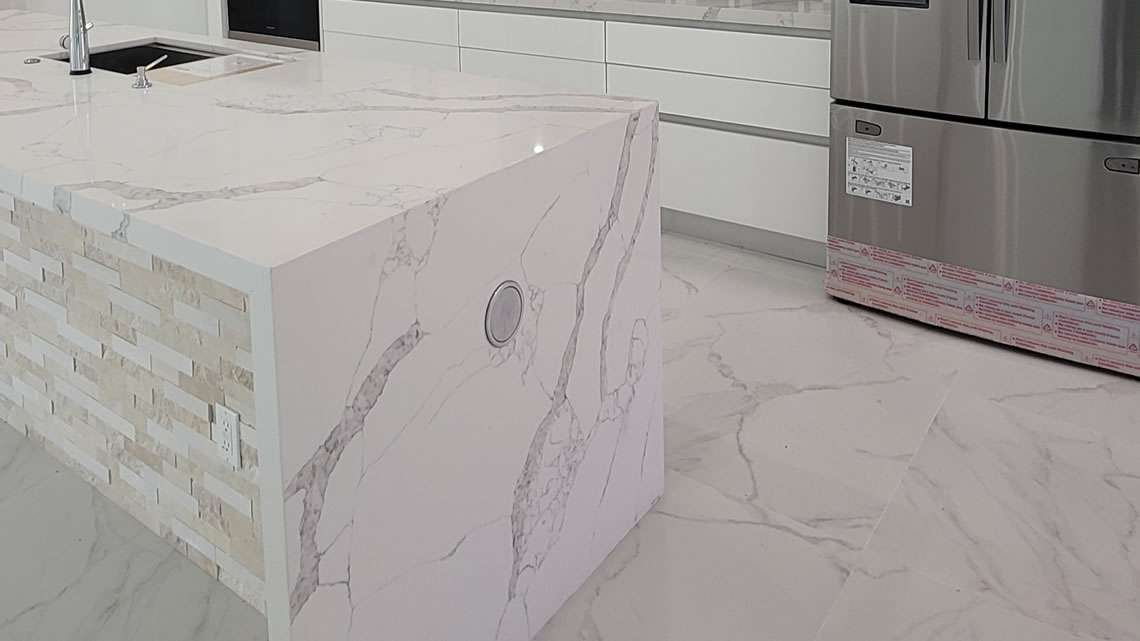
Fully Equipped Kitchen
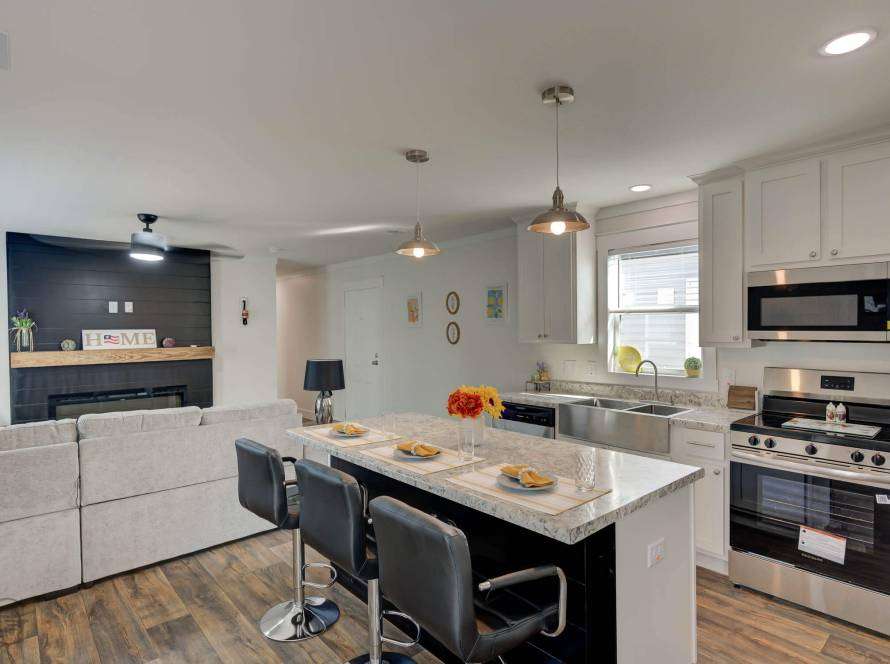
The modern kitchen comes complete with premium cabinetry, energy-efficient appliances, and durable countertops. The functional layout ensures that meal preparation is easy and enjoyable, with ample counter space and clever storage for all your essentials.
Comfortable Living Area
The central living space serves as a cozy retreat, perfect for relaxing, working from home, or entertaining guests. Its flexible layout allows you to adapt the space to your lifestyle.
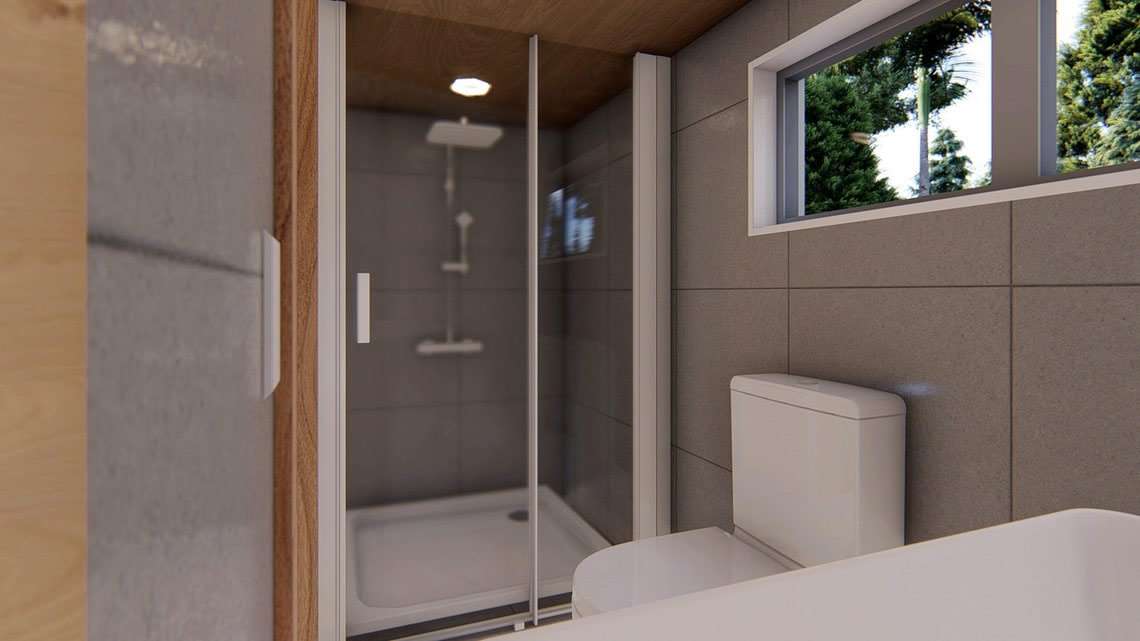
Private Bathroom
The full bathroom is designed with quality fixtures, a spacious shower, and efficient storage solutions. Every detail is built for comfort and durability.
Energy Efficiency & Sustainability
Built from a brand-new shipping container, the Nest 3610 is crafted with eco-friendly materials and insulation to ensure year-round comfort while keeping utility costs low. High-efficiency windows, LED lighting, and sustainable finishes make this home both stylish and environmentally responsible.
Key Features
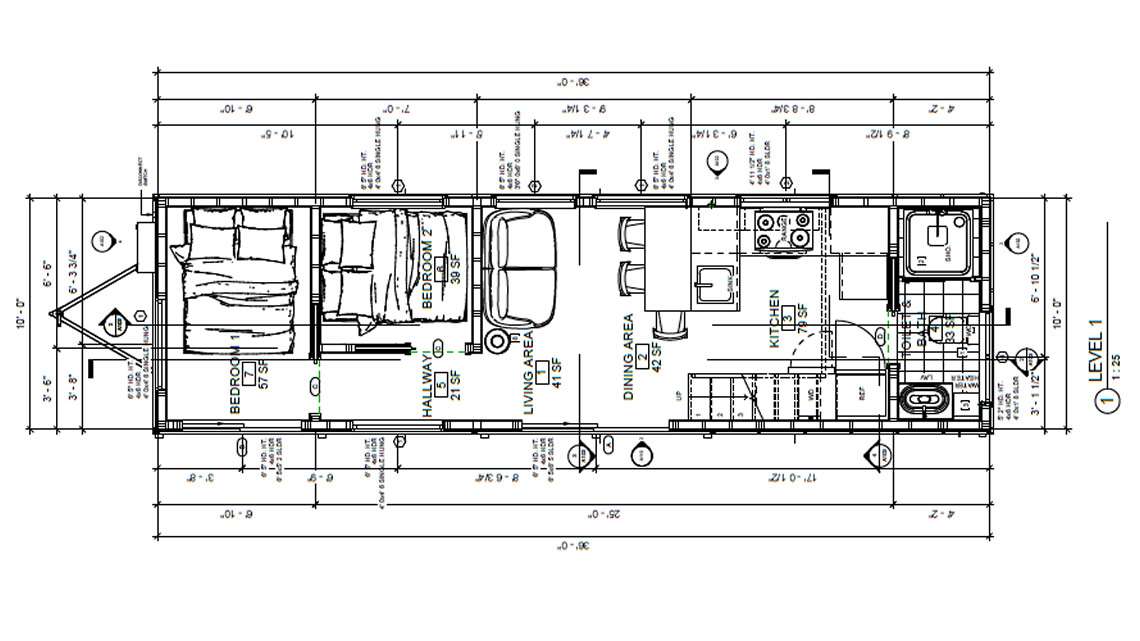
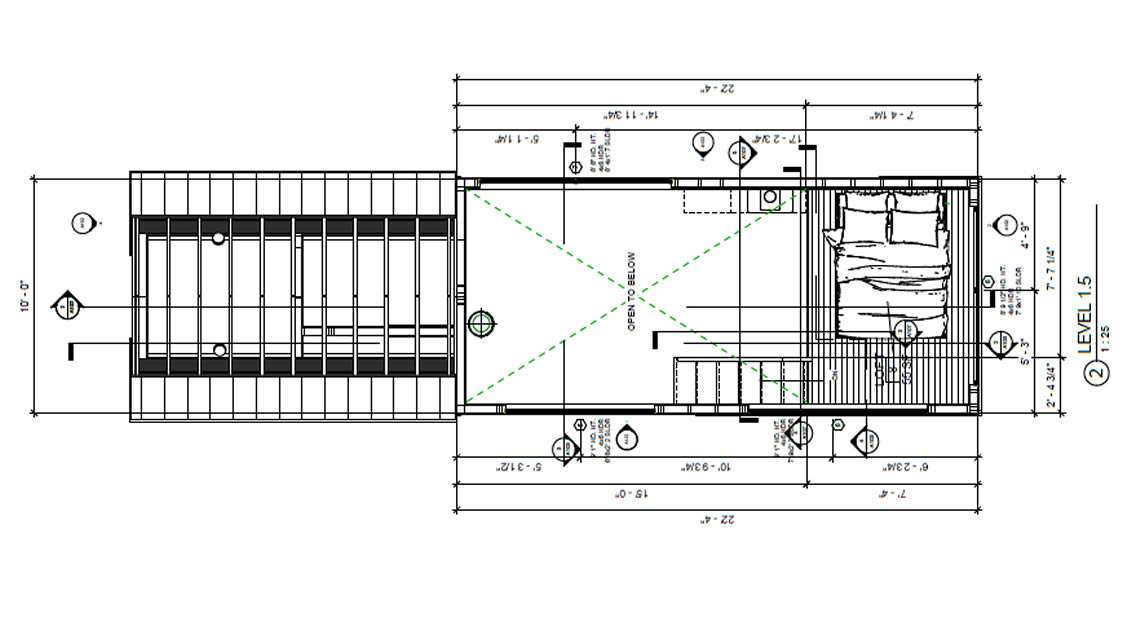
Size: 360 square feet + 75 square feet loft
Ideal For: Singles, couples, or use as a rental/Airbnb unit.
Design: Open floor plan for maximum space efficiency
Kitchen: Fully equipped with modern appliances
Bathroom: Full bathroom with quality fixtures
Construction: Durable, brand-new container build with high-quality insulation
Delivery & Installation: Fast delivery across the U.S., with seamless installation
Customization: Interior finishes and layout adjustments are available upon request.
Ecolife Homes Nest 3610- Photo Gallery
You have 20 important reasons to choose us !
OEM Engineered Trailer Foundations

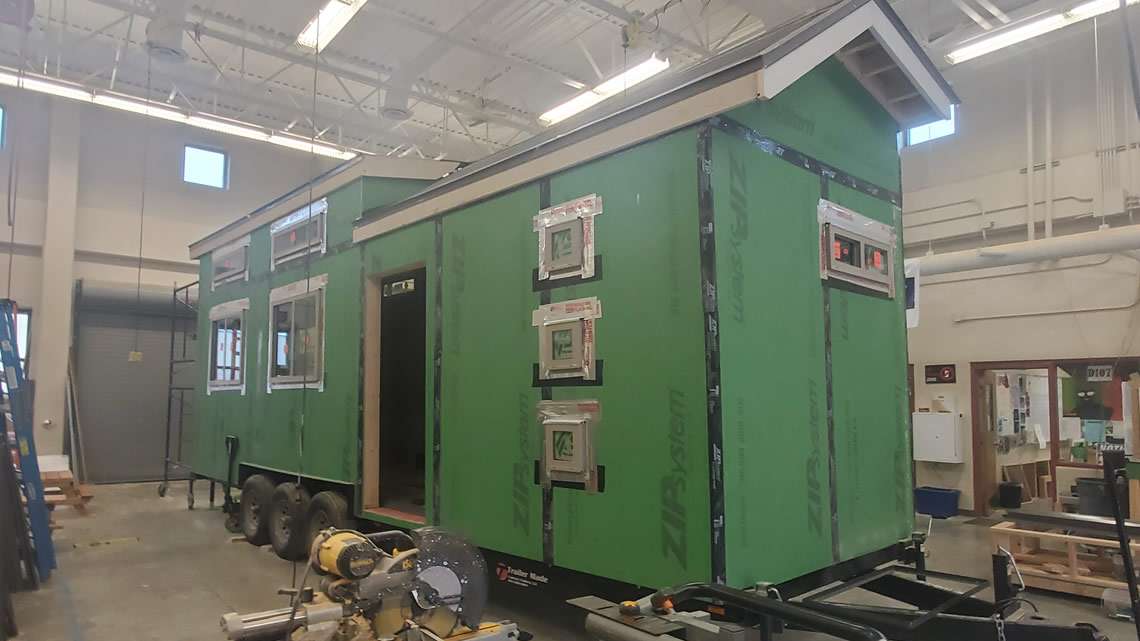
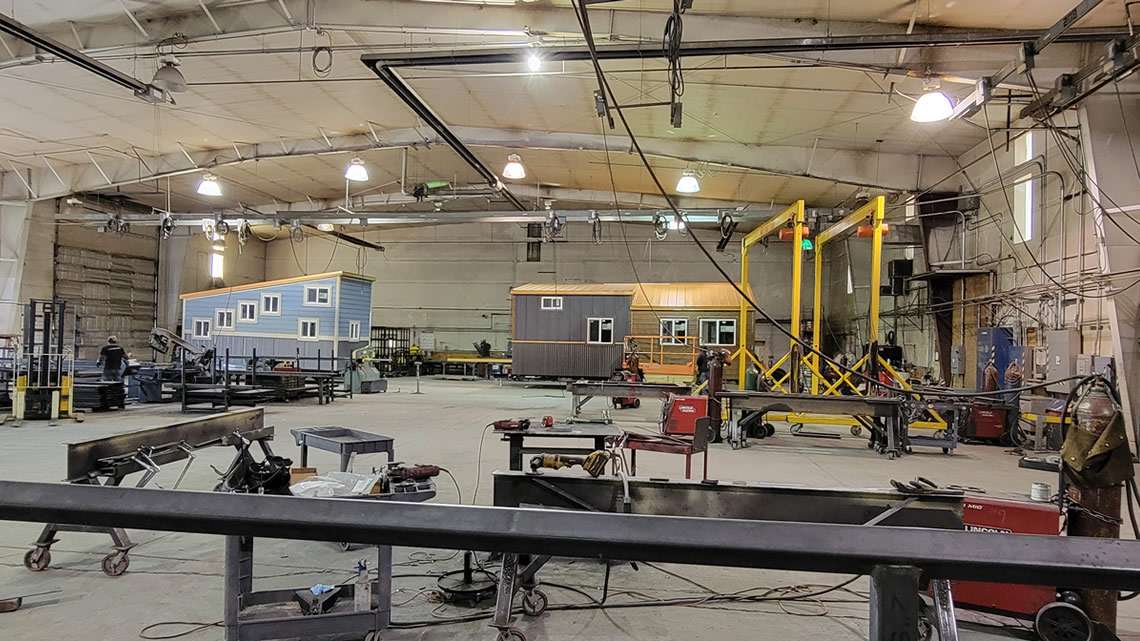
We are the only national builder offering OEM trailer foundations specifically engineered for tiny houses. These trailer foundations are built with steel-tube superstructures and precision welding. Foundations meet ANSI A119.5 standards and include a lifetime warranty. The foundations are engineered to support the weight loads and structural requirements of tiny homes. The foundations are constructed using new materials and have never been repurposed or modified from other trailers. The trailers are manufactured using precision welding, steel-tube superstructures, and certified components. The trailers are delivered with a VIN assignment, titled, and backed by a manufacturer warranty. Made in the USA.
Nationally Recognized Certifications

Our homes are built to state and national codes. Fully licensed as an RV dealer & OEM trailer foundation. Fully Code-Compliant Construction. Our homes are engineered to meet strict residential, RV, and ANSI code requirements from the ground up. Every stage of production—from the steel foundation and framing to the electrical, mechanical, and plumbing systems — is inspected and documented to ensure full compliance with safety, durability, and occupancy standards.
Weather & Wind Resilience

Engineered for harsh climates, including hurricanes, wildfire zones, and extreme temperature swings. Equipped with Florida-approved hurricane impact windows & doors, our units are designed to withstand severe weather conditions and environmental stressors. The laminated impact-resistant glass prevents shattering from high winds and flying debris and contributes to UV and noise reduction for improved interior comfort. These systems also enhance energy efficiency, reduce heat transfer, and provide greater security against forced entry.
All-Tube Steel Superstructure

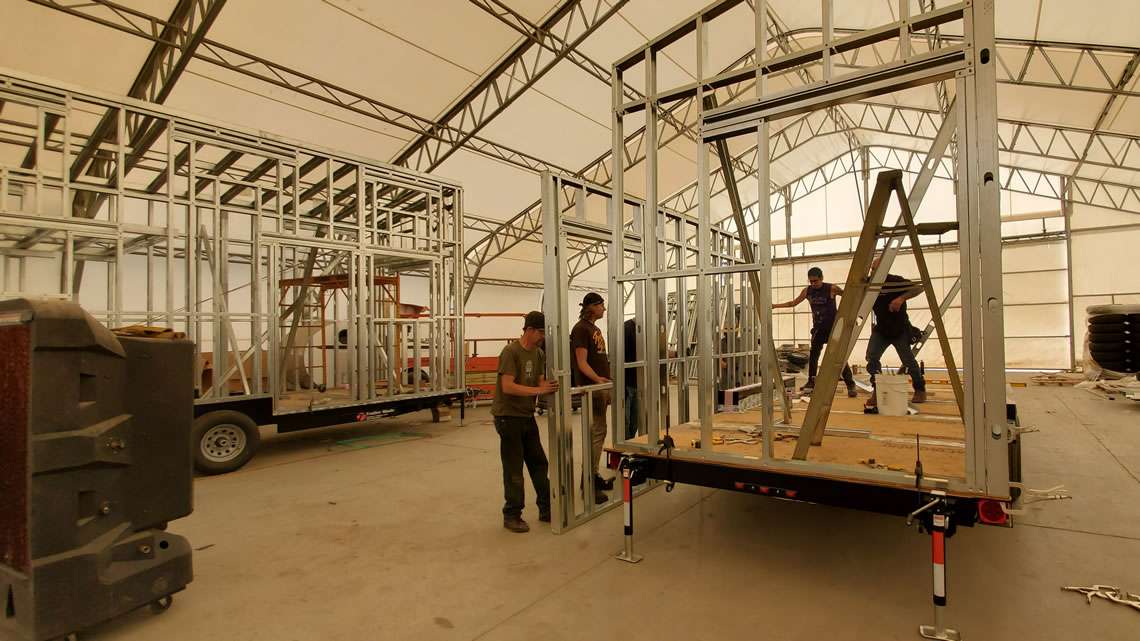
The structure features a full steel-tube framing system that provides unmatched strength and durability. The structure utilizes AWS D1.1 and D1.5 precision welding, along with a military-grade Hentzen epoxy/urethane coating. Made in the USA. This advanced manufacturing approach ensures superior rigidity, corrosion resistance, and long-term structural stability even in harsh climates. The specialized coating system protects against moisture, salt intrusion, UV exposure, and chemical wear, making the frame suitable for coastal, humid, and hurricane-prone environments.
Superior Fire Resistance

Steel framing is non-combustible, providing enhanced fire safety and helping reduce long-term insurance premiums. Unlike traditional wood framing, steel does not ignite, contribute fuel to a fire, or warp under extreme heat. This significantly improves structural integrity during high-temperature exposure, adds critical minutes for emergency response, and ultimately offers greater peace of mind for occupants. The non-combustible nature of steel also helps minimize property damage and structural loss in the aftermath of a fire event. In many regions, this level of fire resilience also contributes to regulatory compliance and can increase eligibility for advantageous insurance classifications.
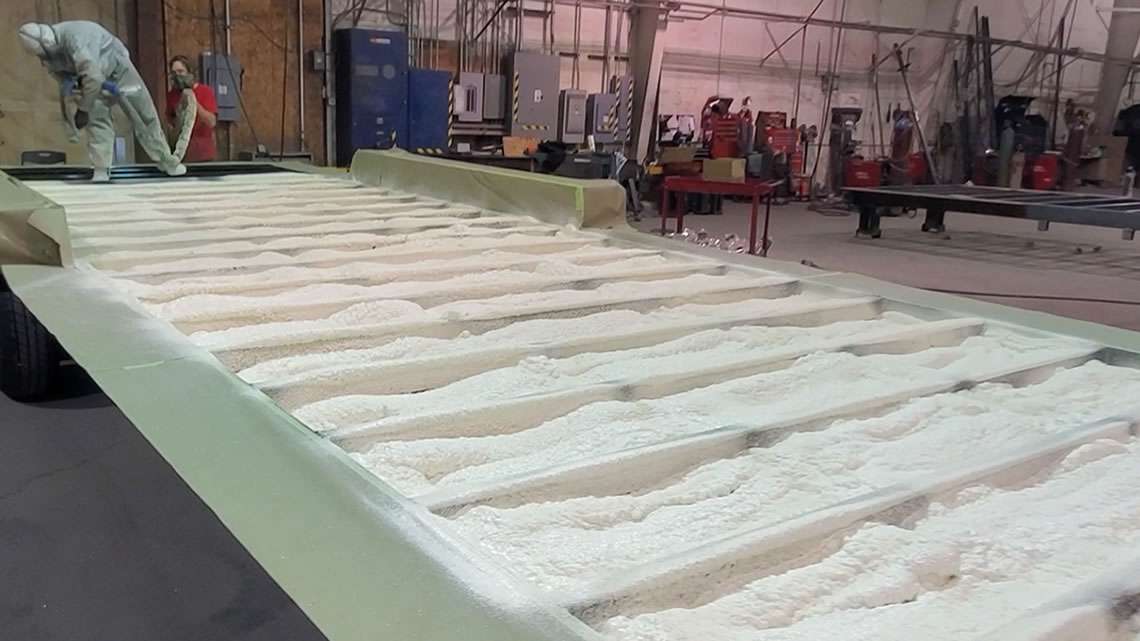
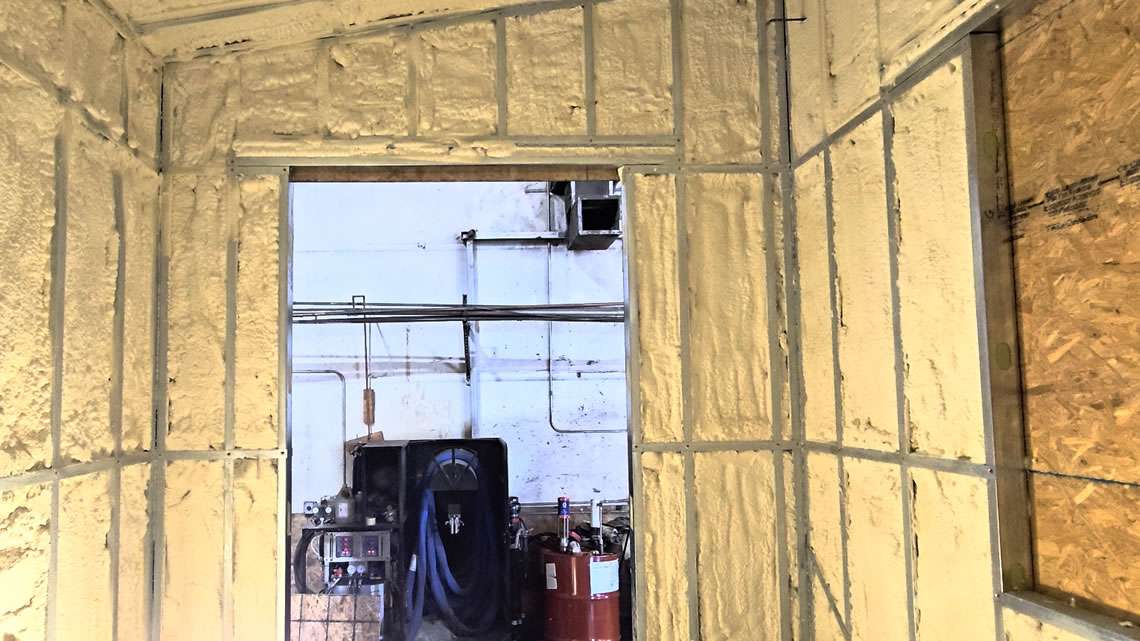
High-Performance Closed-Cell Spray Foam Insulation

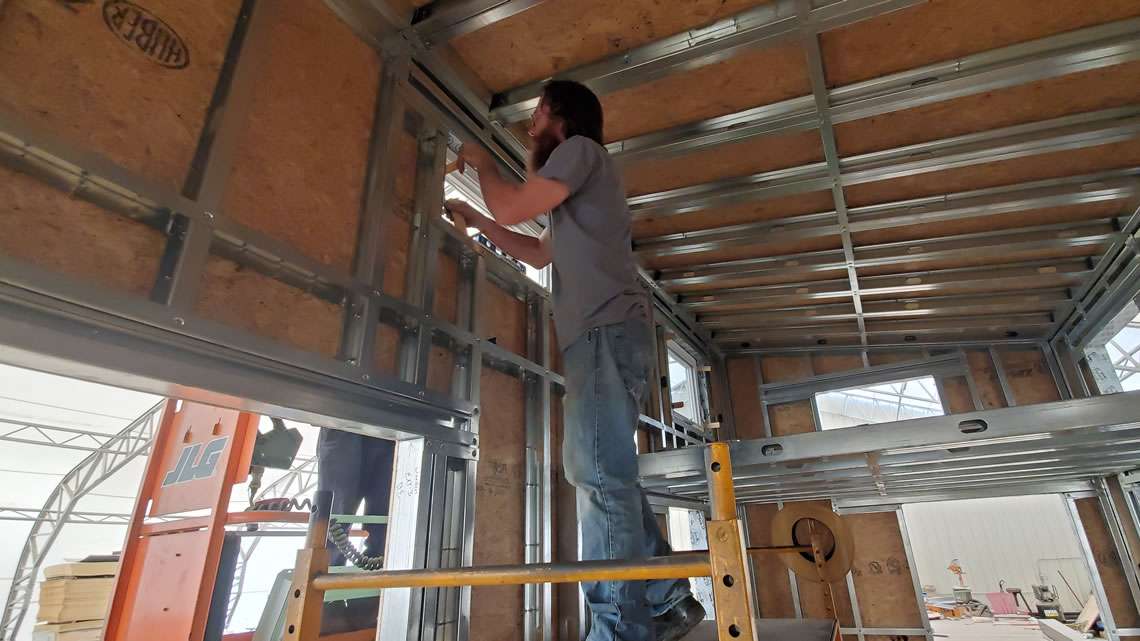
Steel framing supports tighter seals and higher energy efficiency, keeping the house warm in the winter and cool in the summer. (R25 walls, R42 floors). The insulation is airtight, has a high R-value, and contains low or zero VOCs, providing superior thermal performance. It helps maintain a comfortable indoor temperature, reduces energy costs, and prevents moisture buildup. This high-quality barrier also keeps outside noise out and makes the building last longer by protecting it from damage caused by moisture. Over time, the improved energy retention and reduced HVAC strain can lead to significant utility savings and a more sustainable environmental footprint.
Structural Sheathing & Subfloor System
Engineered structural sheathing and durable, moisture-resistant subflooring come standard. Made in the USA. These materials are specifically designed to handle heavy loads, daily use, and long-term environmental exposure. The moisture-resistant substrate helps prevent warping, swelling, and mold development in humid or coastal climates. Additionally, the structural sheathing increases overall rigidity and impact resistance of the building envelope. All components are sourced from certified American manufacturers, ensuring consistent quality control and reliability. This upgraded foundation system provides long-lasting performance and structural stability for decades of use.
Cold-Formed Steel (CFS) Framing
We use pre-cut, labeled CFS framing—straight, strong, rot-proof, and perfectly consistent. Fast & Efficient Production: Pre-cut CFS framing and engineered trailers enable faster build times without sacrificing quality. High Precision & Modifiability: Steel framing allows exact cuts, perfect fitment, and minimal waste, ideal for fast and clean construction. Made in the USA. This system greatly reduces human error during assembly and ensures dimensional accuracy throughout the structure. The standardized manufacturing approach also simplifies on-site modifications and future upgrades, allowing the home to evolve with changing needs.
Engineered Roof Framing System
Roof structures include engineered framing and premium underlayment for long-term durability. Standing Seam Metal Roofing: Wildfire-rated (WUI compliant) standing seam metal roofs designed for decades of durability. Made in the USA. This roofing system provides superior resistance against corrosion, UV damage, and wind uplift. Its interlocking panel design minimizes potential leak points and reduces maintenance needs over the life of the home.
Mold, Rot & Pest Resistance

Steel and closed-cell insulation systems naturally resist mold, termites, and moisture damage. This combination prevents biological decay and eliminates the need for toxic chemical treatments typically required in wood-based construction. The closed-cell foam creates an impermeable thermal and moisture barrier, protecting hidden structural areas from humidity intrusion. Over time, this method leads to a healthier indoor environment with improved air quality. The reduced risk of insect and moisture damage also extends the overall lifespan of the home. This resilient construction approach ensures lower long-term maintenance expenses and higher structural reliability.
Energy-Efficient Building Envelope

Our tiny homes are engineered with a high-performance building envelope designed to maintain indoor comfort while dramatically reducing energy consumption. Tight structural seals, closed-cell spray foam insulation, and precision steel framing eliminate air leakage and create a continuous thermal barrier. This level of efficiency keeps heating and cooling loads low, improving year-round livability and HVAC performance. Over time, this contributes to lower energy bills, a reduced carbon footprint, and a more sustainable long-term ownership experience.
Smart Home Automation Features

Our tiny homes are equipped with full smart home technology, including Amazon Echo Show 21 (newest model), Full HD 21″ kitchen hub for home organization, with built-in Fire TV and Alexa – Smart thermostats – Smart locks & keyless entry systems – Smart lighting & dimming scenes – REOLINK 4K LTE Cellular Security Camera – Integrated Wi-Fi system for seamless connectivity. Starlink Gen 3 Standard Kit – Satellite Dish with Wi-Fi 6 Router – High-Speed, Low-Latency Internet – Voice-control compatibility (Alexa, Google, Apple Home)
European Kitchen & Bathroom Cabinets with Solid Wood

Our luxury cabinet package features European high-gloss acrylic or lacquer finishes, real plywood (not particle board) cabinet boxes, soft-close hinges & drawers, modern minimalist lines, and exceptional durability and moisture resistance. These premium materials provide a refined, contemporary aesthetic that elevates the interior experience. The precision construction and soft-close hardware also ensure long-lasting functionality and a quiet, premium feel in everyday use.
Modern Interior & Exterior Decorative Wall Panels

Modern decorative wall panels can enhance our tiny homes for both interior and exterior applications. These panels provide a premium, architectural look while offering durability, insulation benefits, and low maintenance. Choose from a wide range of styles, including modern 3D interior panels; textured stone, concrete, or wood-look finishes; high-gloss, matte, and soft-touch surfaces; and exterior-grade weatherproof cladding options. The materials are lightweight, moisture-resistant, and impact-resistant, while the coatings are easy to clean and long-lasting. These wall panels elevate the tiny home’s visual appeal, creating a high-end, contemporary aesthetic inside and out.
Built for Generational Durability

Our homes are engineered with long-term strength, weather resistance, and industry-leading materials. Each structural component is selected to perform reliably in demanding environments, from humid coastal regions to high-wind or wildfire zones. Advanced construction methodologies ensure consistent stability and longevity. The premium materials used throughout the build process reduce the need for ongoing repairs and replacement. This results in a more dependable investment and a lower total cost of ownership over the life of the home. Our commitment to quality engineering ensures that each unit retains its performance and value for decades.
Space-Optimized, Functionally Maximized Floor Plan
Our tiny homes feature expertly space-optimized floor plans, where every square foot is intentionally designed for maximum functionality and usability. Through smart layout engineering, multi-purpose zones, and efficient circulation, no space is wasted—delivering a highly livable, modern, and comfortable home in a compact footprint. This thoughtful interior planning enhances daily convenience, reduces clutter, and supports a natural flow between living areas. Whether for full-time living or a weekend escape, the design provides an open and surprisingly spacious feel that exceeds expectations for a small-format home.
Off-Grid Ready Power
Solar Power System (800W–2400W) – Lithium Battery Bank (5 kWh–15 kWh) – Pure Sine Wave Inverter (3,000W–6,000W) – Tankless propane water heater to live fully or partially off-grid with consistent power, heating, and cooling. Perfect for remote locations, rental units, and eco-friendly living. This system allows dependable operation of lighting, appliances, climate systems, and communications without reliance on external utilities. Over time, the renewable energy capability dramatically reduces operating costs and environmental impact.
Premium Mini-Split HVAC System (Heating & Cooling)

Our tiny homes come equipped with a high-efficiency ductless mini-split HVAC system, engineered for small-space climate control. This system delivers ultra-quiet heating & cooling, High SEER efficiency ratings (lower energy bills), All-season comfort (heating + air conditioning), Low-maintenance operation, Smart thermostat compatibility, Fast temperature recovery even in extreme climates, Compact indoor air handler designed for tiny homes
30-Day Delivery Guarantee

We proudly offer a 30-Day Delivery Guarantee, ensuring your tiny home is manufactured, completed, and delivered within 30 days. Our streamlined production system, OEM-engineered foundations, and pre-designed building components allow us to provide one of the fastest and most reliable delivery timelines in the industry. This accelerated process never compromises quality or structural integrity. Customers can plan confidently, knowing their home will arrive on schedule and ready for immediate placement or occupancy.
Nationwide Delivery

We deliver to all 50 states, or you can pick up your home directly from our manufacturing facility. Our logistics team coordinates transportation and scheduling to ensure a smooth and hassle-free delivery process. Each unit is securely transported using approved carriers experienced in modular and tiny home hauling.