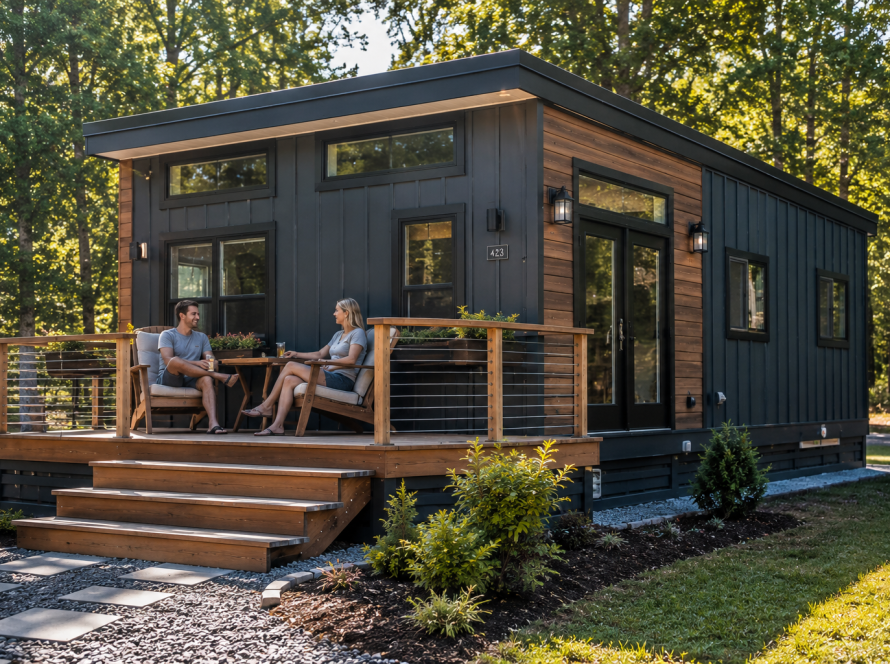
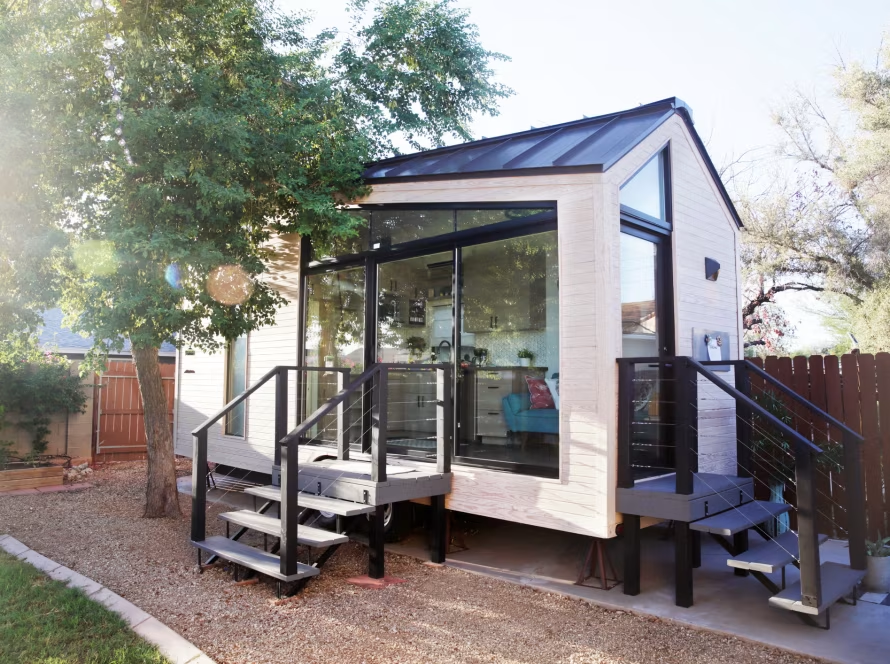
What is minimalist living? Simplify life with less, save more
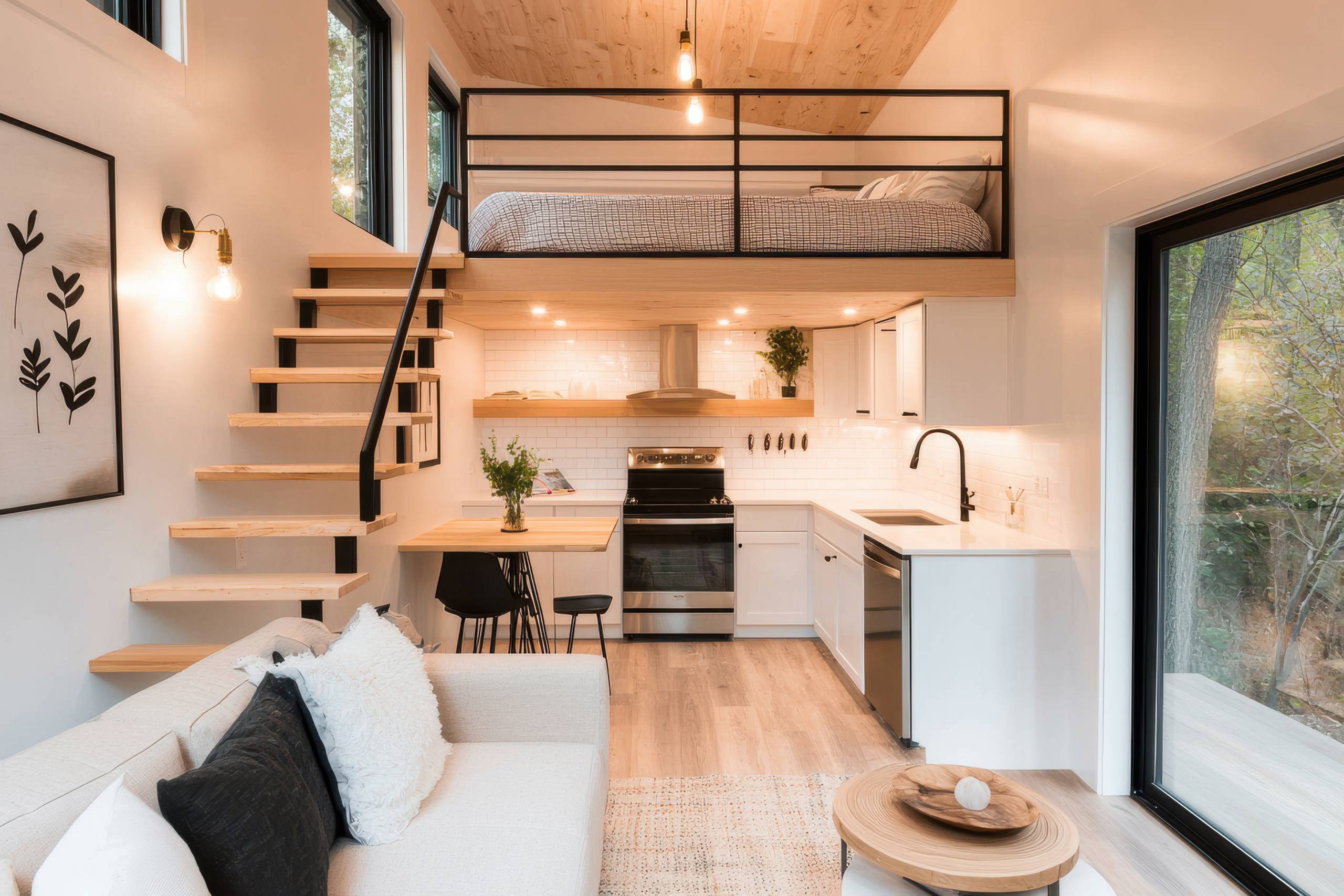
Minimalist living promotes valuing essential possessions and removing distractions. It improves mental health, reduces stress, and encourages sustainable, intentional housing choices. Adopting minimalism is a gradual process that enhances happiness and environmental impact over time.
Most people assume minimalist living means bare walls, no furniture, and giving up everything you enjoy. That assumption couldn’t be further from the truth. Minimalist living is the intentional promotion of the things you most value and the removal of anything that distracts from it. It’s a deliberate choice, not a punishment. Whether you’re curious about simplifying your home, reducing financial stress, or exploring sustainable housing options like tiny homes, this guide will walk you through the philosophy, practical methods, and real-world applications that make minimalism one of the most rewarding lifestyle shifts available today.
Table of Contents
- Defining minimalist living: Philosophy, principles, and myths
- How to adopt minimalist living: Methods and step-by-step strategies
- Minimalism’s impact on happiness, stress, and well-being
- Minimalist living in practice: Sustainable housing, tiny homes, and affordability
- What most guides miss: Minimalism is not the same as deprivation
- Next steps: Start your minimalist journey with Ecolife Homes
- Frequently asked questions
Key Takeaways
| Point | Details |
|---|---|
| Minimalism is intentional | Minimalist living means prioritizing what truly matters and clearing out distractions from your life. |
| Boosts happiness and well-being | Simplifying your environment and obligations can lower stress and increase life satisfaction. |
| Tiny homes make it practical | Affordable, sustainable housing like tiny homes can make minimalist living both attainable and eco-friendly. |
| Not one-size-fits-all | Minimalism looks different for everyone—choose what fits your values, space, and needs. |
Defining minimalist living: Philosophy, principles, and myths
At its core, minimalist living principles center on one idea: own and do what adds genuine value to your life, and let go of the rest. This isn’t a trend or an aesthetic. It’s a philosophy that touches your finances, your time, your relationships, and your living space.
“Minimalism is not deprivation; it’s a mindset shift with flexible interpretations.” — Balance Through Simplicity
Several myths keep people from exploring minimalism seriously. Let’s address them directly:
- It’s only for single people. Families practice minimalism successfully every day by focusing on shared values rather than rigid rules.
- It means boredom or austerity. Minimalism creates space for experiences, hobbies, and relationships, not emptiness.
- You have to own almost nothing. There’s no magic number. Minimalism is personal and flexible.
- It’s a one-time declutter. Real minimalism is an ongoing lifestyle, not a weekend project.
- It’s only about physical stuff. Minimalism applies equally to your schedule, digital habits, and emotional commitments.
The KonMari approach popularized by Marie Kondo brought minimalism into mainstream conversation by asking a simple question: does this item spark joy? That question works because it shifts the focus from guilt-based removal to value-based keeping. You’re not getting rid of things because you should. You’re keeping things because they genuinely serve your life.
Minimalism exists on a spectrum. Some people practice strict minimalism, owning fewer than 100 possessions. Others simply cut back on impulse purchases and clear out unused rooms. Both are valid. The point is intentionality, not a specific number or aesthetic. When you apply minimalist living principles consistently, you start making decisions with more clarity, spending money more wisely, and feeling less overwhelmed by the volume of choices and objects around you.
This philosophy also scales to housing. A smaller, well-designed home built with quality materials can offer more satisfaction than a large house filled with rooms you never use. That connection between minimalism and thoughtful housing is where things get especially practical.
How to adopt minimalist living: Methods and step-by-step strategies
Knowing what minimalism is and actually living it are two different things. The good news is that simplifying your home and life doesn’t require a dramatic overnight overhaul. It works best as a gradual, intentional process.
Here’s a practical starting framework:
- Audit what you own. Go room by room and identify items you haven’t used in six months or more.
- Apply the joy test. For each item, ask whether it serves a clear purpose or brings genuine satisfaction.
- Use the one-in-one-out rule. Every new item you bring in means one goes out. This prevents re-accumulation.
- Tackle digital clutter. Unsubscribe from email lists, delete unused apps, and organize your files. Digital noise adds real mental load.
- Simplify your schedule. Identify commitments that drain energy without adding meaning and begin stepping back from them.
- Set a maintenance routine. A monthly review keeps minimalism active rather than letting clutter creep back.
The KonMari Method recommends working by category rather than room, starting with clothing and ending with sentimental items. This sequence matters because you build decision-making confidence before tackling the emotionally harder choices.
| Area | Beginner action | Advanced action |
|---|---|---|
| Clothing | Donate items not worn in 6 months | Capsule wardrobe of 30-40 pieces |
| Kitchen | Clear countertops, remove duplicate tools | Own only what you use weekly |
| Digital | Unsubscribe from 10 email lists | Single-folder filing system |
| Schedule | Say no to one low-value commitment | Protect 2 hours daily for priorities |
| Finances | Cancel unused subscriptions | Zero-based monthly budget |
Pro Tip: Start with the easiest category first. Quick wins build momentum and make the harder decisions feel less overwhelming later.
One important reality: ongoing minimalism prevents re-accumulation. Decluttering once is an event. Minimalism is the habit that keeps things from piling back up. Building small daily decisions into your routine, like pausing before a purchase or reviewing your calendar weekly, is what makes the lifestyle stick long term.
Minimalism’s impact on happiness, stress, and well-being
Minimalism isn’t just about tidier shelves. The benefits of minimalism extend into measurable improvements in mental health, life satisfaction, and even ethical behavior.
Stat to know: Reduced clutter lowers cortisol levels, the body’s primary stress hormone, and is directly linked to improved life satisfaction and greater happiness scores in multiple studies.
Here’s what the research and real-world experience consistently show:
- Lower stress levels. Physical clutter competes for your attention, even when you’re not actively looking at it. Less stuff means a calmer mental environment.
- Better relationships. When you stop spending time managing possessions, you have more energy for the people who matter.
- Stronger financial health. Buying less and buying better means more savings and less debt over time.
- More intentional consumption. Minimalists tend to research purchases more carefully, favoring ethical brands and durable goods.
- Greater life satisfaction. Experiences and connections replace objects as the primary source of enjoyment.
“Minimalism extends beyond possessions into how you spend your time, energy, and attention, making it a complete lifestyle rather than just a cleaning method.”
The connection between minimalism and tiny home lifestyle advantages is direct. Living in a smaller, well-designed space naturally reinforces minimalist habits. You simply can’t accumulate as much when your space is thoughtfully sized. Many tiny home residents report that the physical constraints of the home actually freed them from the mental weight of managing too much stuff.
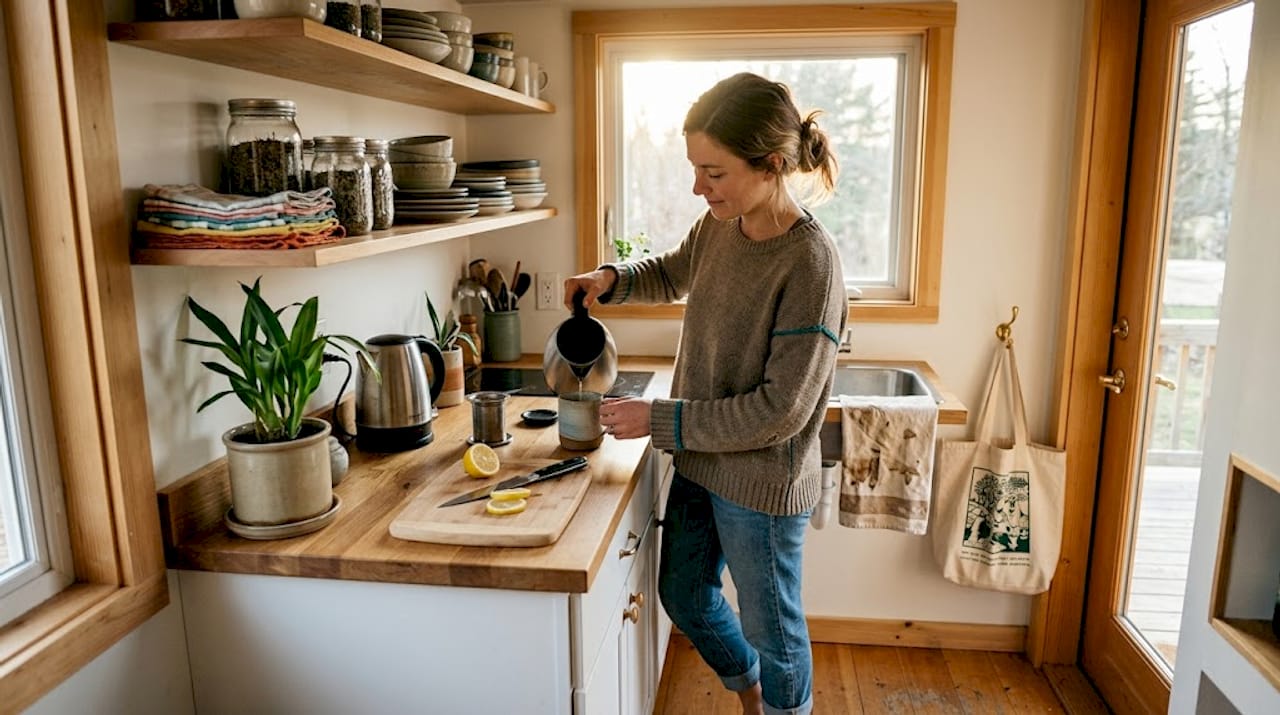
Minimalism also encourages ethical consumption. When you buy less and choose more carefully, you naturally gravitate toward products built to last, made responsibly, and worth the investment. This mindset aligns closely with sustainable housing choices, where quality materials and efficient systems matter far more than square footage.
Minimalist living in practice: Sustainable housing, tiny homes, and affordability
One of the most powerful expressions of minimalist living is choosing a home that fits your actual needs rather than social expectations. Tiny homes make that choice concrete and financially significant.
Tiny homes cost between $15,000 and $60,000 to build, a fraction of the median price for a traditional home in the U.S. Monthly utility bills for tiny homes typically run between $50 and $150, compared to $200 or more for standard homes. That gap adds up fast.
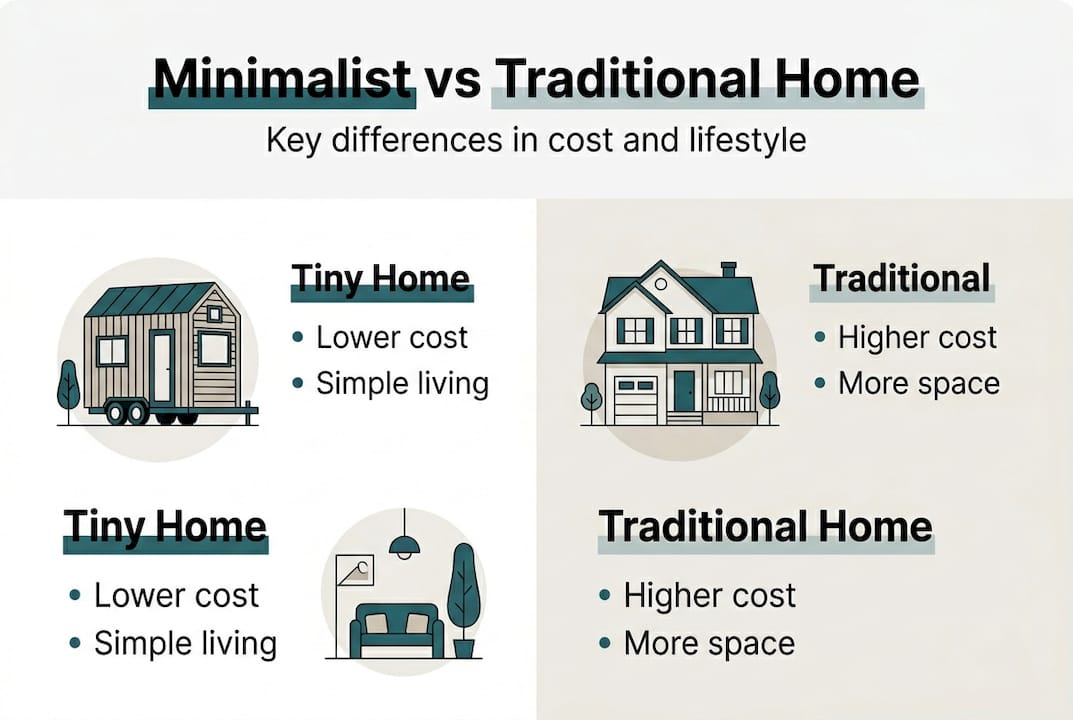
| Category | Tiny home | Traditional home |
|---|---|---|
| Build cost | $15,000 to $60,000 | $250,000 to $500,000+ |
| Monthly utilities | $50 to $150 | $200 to $400+ |
| Annual maintenance | $500 to $1,500 | $3,000 to $10,000 |
| Carbon footprint | Up to 70% lower | Baseline |
The environmental case is equally strong. Tiny homes reduce per capita greenhouse gas emissions by up to 70% compared to conventional housing, though the building method and materials used make a significant difference in actual sustainability outcomes.
Key features that maximize both sustainability and comfort in a tiny home include:
- Solar panels for energy independence and reduced utility costs
- Greywater recycling systems to cut water consumption
- High-quality insulation to reduce heating and cooling loads
- Durable, low-maintenance exterior materials like steel framing
- Smart storage design that makes small spaces feel open and functional
Practical realities matter too. Zoning laws vary widely across states and counties, so researching local regulations before committing is essential. Eco-friendly tiny home options built to comply with local codes eliminate much of that complexity. Exploring modern tiny house design and micro homes can help you understand what’s possible within your budget and location.
Pro Tip: Prioritize quality materials and integrated eco-systems over simply going as small as possible. A well-built 400-square-foot home will serve you better than a poorly constructed 200-square-foot one.
What most guides miss: Minimalism is not the same as deprivation
After 21 years working in home construction and sustainable housing, we’ve seen a consistent pattern: people start strong with minimalism, then quit when it stops feeling like freedom and starts feeling like restriction. The reason is almost always the same. They went too extreme too fast, or they adopted someone else’s version of minimalism instead of building their own.
Joshua Becker, one of the most respected voices in this space, emphasizes that ongoing intentionality is what separates lasting minimalism from a temporary purge. It’s not about hitting a specific number of possessions or living in the smallest possible space. It’s about consistently choosing what enhances your life.
Your definition of “enough” will change over time. A single person’s minimalism looks different from a family’s. A retiree’s version looks different from a remote worker’s. The goal is a flexible framework that evolves with you, not a rigid standard that makes you feel like you’re failing.
Sustainable satisfaction comes from personalized minimalism. When you design your living space, your schedule, and your finances around what genuinely matters to you, rather than what a trend says you should own, the lifestyle becomes self-reinforcing. Explore tiny home durability insights to understand how thoughtful construction supports this kind of long-term, values-driven living.
Next steps: Start your minimalist journey with Ecolife Homes
Whether you’re just beginning to explore minimalism or you’re ready to make a concrete housing decision, Ecolife Homes is built to support exactly this kind of intentional living.
We design and manufacture premium steel park model tiny homes right here in Florida, delivering anywhere in the USA. Every home is fully customizable, code-compliant, and built with durability and sustainability in mind. From permitting to final installation, we handle every step so the process stays simple and stress-free for you. Explore tiny homes for minimalist living, compare your options with our guide on prefab vs. traditional homes, or learn more about affordable, flexible living to find the right fit for your lifestyle and budget.
Frequently asked questions
Is minimalist living possible with a family?
Yes, minimalist living works well for families when you adapt the approach to shared values rather than strict rules. Minimalism is flexible and can be shaped to fit any household size or lifestyle.
How much does it cost to live in a tiny home as a minimalist?
Tiny homes typically cost between $15,000 and $60,000 to build, with monthly utilities running just $50 to $150, making them significantly more affordable than standard housing.
Does minimalist living really reduce stress and boost happiness?
Yes. Reducing clutter lowers stress hormones and is linked to measurable improvements in life satisfaction and overall happiness in multiple studies.
Is minimalist living environmentally friendly?
It can be, especially when combined with a tiny home. Tiny homes cut per capita greenhouse gas emissions by up to 70%, with the biggest gains coming from sustainable materials and energy systems.
What’s the difference between decluttering and minimalist living?
Decluttering is a single event, while minimalist living is an ongoing lifestyle that builds habits to prevent clutter from returning over time.
Recommended
- Blog Standard – Ecolife Homes – Park Model Home Manufacturer – Florida – USA
- Blog Standard – Ecolife Homes – Park Model Home Manufacturer – Florida – USA
- Blog Standard – Ecolife Homes – Park Model Home Manufacturer – Florida – USA
- Blog Standard – Ecolife Homes – Park Model Home Manufacturer – Florida – USA