Tiny home delivery process: what to expect in 2026
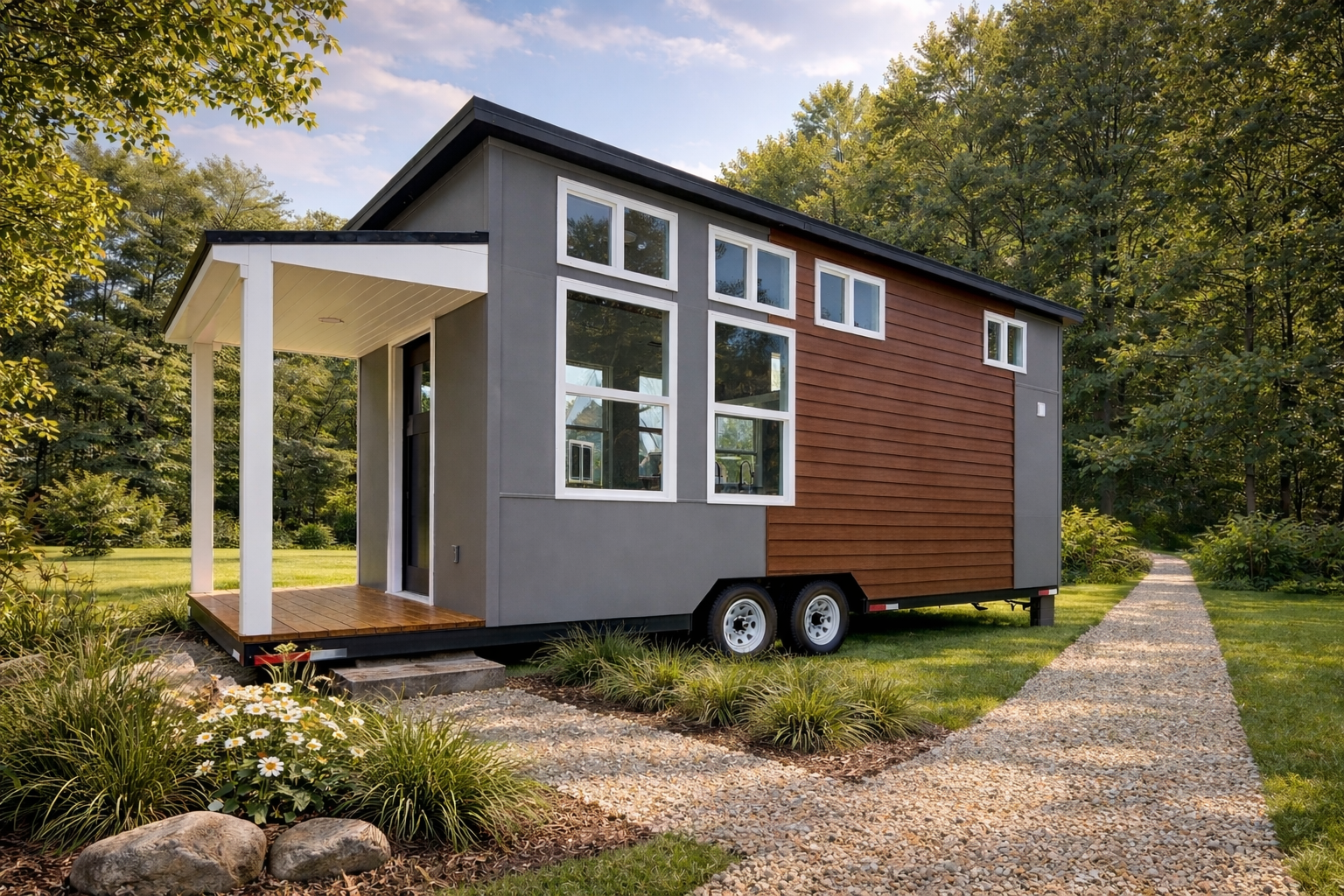
Most people imagine tiny home delivery as a simple drop-off, like ordering furniture online. The reality involves permits, foundation prep, oversized load escorts, weather delays, and coordinating multiple teams to avoid costly damage. Understanding each phase from site preparation through final setup prevents surprises and ensures your home arrives safely. This guide walks you through the entire delivery journey, clarifying what happens at each step so you can plan confidently and avoid the pitfalls that catch unprepared buyers off guard.
Table of Contents
- Key takeaways
- Preparing your site for tiny home delivery
- Transporting and delivering your tiny home safely
- Common challenges and special considerations in delivery
- Final setup and what to expect after delivery
- Explore eco-friendly tiny home options with Ecolife Homes
- FAQ
Key Takeaways
| Point | Details |
|---|---|
| Site prep matters | Preparing the site ahead of delivery prevents most issues by confirming zoning, foundation readiness, and access. |
| Permits and escorts | Oversized homes require permits and pilot car escorts in most states, which can extend timelines. |
| Weather and access | Weather and road conditions can delay delivery or damage the home, so plan around forecasts and keep routes clear. |
| Cross team coordination | Coordinating the delivery with the truck driver, foundation crew, utility providers, and permitting agencies helps prevent delays and costly errors. |
Preparing your site for tiny home delivery
Before your tiny home leaves the factory, your site must be ready to receive it. Preparation prevents 90% of issues: confirm zoning, foundation cure time, and access roads before scheduling. Start by verifying local zoning regulations to ensure your property allows tiny home placement and that your model meets setback and size requirements. Contact your county planning department early, as some areas restrict park models or require conditional use permits.
Next, prepare your foundation or parking pad. Concrete slabs need at least 28 days to cure fully before bearing the weight of a tiny home. Pier and beam foundations require stable ground and proper leveling. If you’re placing your home on a trailer, ensure the parking area is compacted, level, and drains well to prevent settling. Rushing this step risks cracking or shifting once the home arrives.
Access roads are critical. Delivery trucks hauling tiny homes are large and heavy, often requiring 14 feet of clearance width and firm, level surfaces. Walk your driveway and entrance route, checking for low branches, tight turns, soft soil, or steep grades that could block or damage the truck. Clear obstacles and reinforce soft spots with gravel or grading. If your site sits at the end of a narrow lane or involves sharp curves, discuss alternatives with your delivery team early.
Pro Tip: Schedule delivery during dry weather whenever possible. Rain softens access roads and complicates maneuvering, increasing the chance of trucks getting stuck or damaging your property.
Coordinate timing with your delivery company, foundation contractor, and utility providers. Align schedules so the foundation is ready, utilities are staged for hookup, and weather forecasts look favorable. This coordination prevents the frustration of a delayed home sitting on a truck because your site isn’t ready. For more on the overall buying process, see our park model tiny house buying process guide. If you’re managing construction yourself, our tiny house build guide offers additional planning insights.
Transporting and delivering your tiny home safely
Once your site is ready, the transportation phase begins. Oversized homes require special permits; homes wider than 16 feet need oversize load permits and pilot car escorts in most states. These permits specify travel times, often restricting transport to daylight hours and weekdays, which can extend delivery timelines. Your delivery company handles permitting, but understanding these requirements helps you plan realistic schedules.
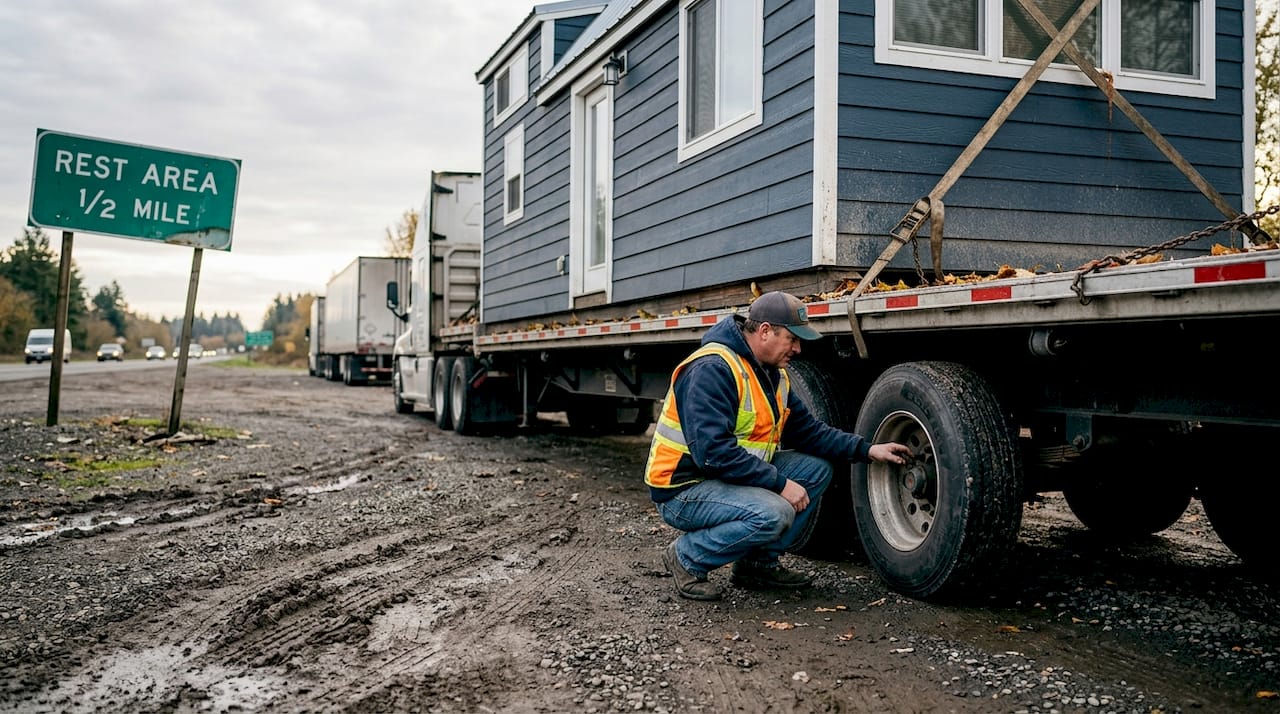
Loading your tiny home onto the transport trailer introduces risks. Vibrations, torsion, and uneven weight distribution can stress joints, crack finishes, or shift interior fixtures. Professional movers use specialized equipment like hydraulic lifts and securing straps to minimize movement. Inspect your home before loading, documenting its condition with photos. This record protects you if damage occurs during transit.
Weather can cause swelling or cracking during transport. Heat expands materials, while moisture can warp wood or compromise seals. Experienced transporters wrap vulnerable areas and monitor forecasts, rescheduling if severe weather threatens. You should also stay informed about weather along the route, especially for long-distance moves crossing multiple climate zones.
Difficult access sites may require cranes, skid steers, or other heavy equipment to position your home. If your property has narrow gates, steep slopes, or dense landscaping, discuss these obstacles with your delivery team during planning. They’ll assess whether a crane lift over structures or a skid steer to navigate tight spaces is necessary. These solutions add cost but prevent damage and ensure safe placement.
“Clear communication among delivery teams minimizes risks and delays. Confirm arrival times, equipment needs, and site access details at least 48 hours before delivery day.”
Stay in close contact with your transport company as delivery day approaches. Confirm arrival windows, review site access one final time, and ensure someone is on-site to guide the truck and answer questions. For insight into how homes are built for transport, explore our park model tiny home factory tour. If portability is a priority, learn more about portable home options designed for easier relocation.
Common challenges and special considerations in delivery
Even with careful planning, delivery challenges arise. Tight or remote sites often require additional heavy equipment and planning beyond standard transport. A narrow driveway might need a smaller shuttle truck to transfer your home from the main hauler. Remote properties far from paved roads may demand skid steers or all-terrain vehicles to navigate rough terrain. Budget extra time and money for these scenarios, as they’re common in rural or wooded areas.
Weather delays are frequent and unpredictable. Rain can make access roads impassable, while high winds prevent safe crane lifts. Extreme heat risks material expansion, and winter ice complicates maneuvering. Build flexibility into your schedule, allowing a buffer of several days around your target delivery date. Communicate with your delivery team about backup dates if conditions turn unfavorable.
Special oversized load permits and escorts increase complexity and cost for homes exceeding standard dimensions. Permits vary by state, with some requiring multiple approvals for routes crossing jurisdictions. Escort vehicles add hourly fees and must be scheduled in advance. If your tiny home is particularly wide or tall, expect longer lead times for permitting and higher transport costs. Discuss these factors with your builder early to avoid surprises.
Road vibrations and torsion during loading pose risks to structural integrity. Rough roads amplify stress on joints and fasteners, potentially loosening connections or cracking drywall. Homes built specifically for transport, like park models, incorporate reinforced framing and flexible joints to withstand these forces. Verify your builder uses transport-rated construction methods, and request a post-delivery inspection to catch any issues before you move in.
Pro Tip: Create a delivery day checklist covering site access clearance, utility staging, foundation readiness, and contact numbers for all parties. Review it 48 hours before delivery to catch last-minute issues.
Planning for contingencies reduces stress and unexpected expenses. Set aside 10-15% of your delivery budget for unforeseen needs like additional equipment rental, permit extensions, or weather-related delays. This cushion keeps your project on track even when complications arise. For a comprehensive overview of what to consider before purchase, see our guide on what to know before buying a tiny home. If financing delivery and setup is a concern, explore tiny home financing options tailored to these unique purchases.
| Challenge type | Common causes | Mitigation strategies |
|---|---|---|
| Access issues | Narrow driveways, tight turns, soft soil | Pre-delivery site survey, road reinforcement, shuttle trucks |
| Weather delays | Rain, wind, extreme temperatures | Flexible scheduling, weather monitoring, backup dates |
| Permit complexity | Oversize dimensions, multi-state routes | Early permitting, experienced transport company |
| Equipment needs | Remote sites, steep terrain, obstacles | Crane or skid steer rental, site preparation |
Final setup and what to expect after delivery
Once your tiny home arrives, the final setup phase begins. Position the home precisely on the foundation or trailer, using levels and measuring tools to ensure it sits square and stable. Even small misalignments can cause doors to stick or windows to bind over time. Professional installers use laser levels and shims to achieve perfect placement, a step worth investing in for long-term comfort.
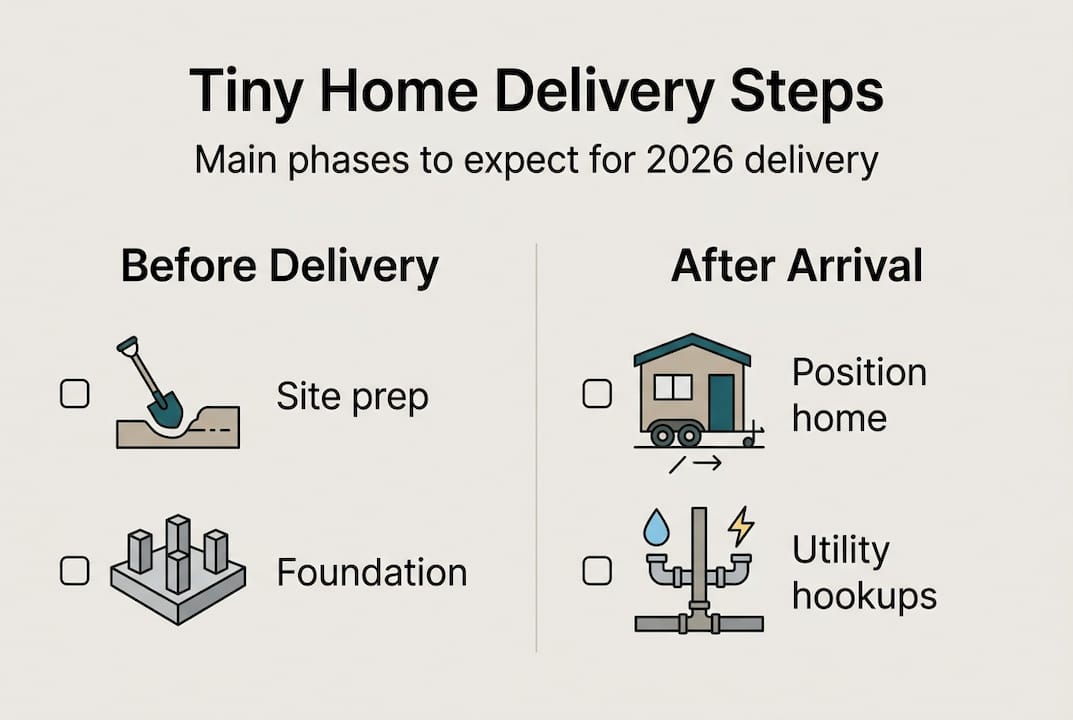
Secure the home against wind and weather immediately. Anchor it to the foundation with bolts or straps rated for your region’s wind loads. In hurricane-prone areas, this might mean heavy-duty tie-downs and reinforced anchoring systems. In earthquake zones, flexible mounts absorb ground movement. Don’t skip this step, even if your area seems calm; severe weather can strike unexpectedly.
Connect water, electricity, and HVAC systems according to local building codes. Hire licensed professionals for these hookups to ensure safety and compliance. Water lines need proper insulation in cold climates to prevent freezing. Electrical panels must be grounded correctly and inspected before energizing. HVAC systems require ductwork checks and thermostat calibration. Cutting corners here risks costly repairs or failed inspections later.
Pro Tip: Schedule your final inspection within a week of delivery while any transport-related issues are still fresh. Addressing problems immediately prevents them from worsening and simplifies warranty claims.
Schedule required inspections and certifications for occupancy. Most jurisdictions require electrical, plumbing, and structural inspections before issuing a certificate of occupancy. Coordinate these inspections early, as scheduling can take weeks during busy seasons. Keep all permits, invoices, and inspection reports in a dedicated file for future reference or resale.
Prepare for interior adjustments or finishing touches. Delivery vibrations may loosen cabinet hardware, shift furniture, or misalign trim. Walk through your home methodically, tightening screws, checking seals, and testing appliances. Small fixes now prevent bigger headaches later. For detailed guidance on utility connections, visit our utility installation resource. If electrical hookup specifics are unclear, our electrical hookup guide provides step-by-step instructions.
Explore eco-friendly tiny home options with Ecolife Homes
Now that you understand the delivery process, consider how Ecolife Homes simplifies every step for you. We design and manufacture customizable, eco-friendly park model tiny homes in Florida, handling permitting, transport, and installation from start to finish. Our expert team coordinates delivery logistics, ensures compliance with local regulations, and supports you through setup so you can focus on enjoying your new home.
Our models are built for durability and easy transport, using steel construction and reinforced framing that withstands road vibrations and weather challenges. Whether you’re seeking a cozy retreat, a spacious family space, or a stylish vacation rental, we offer designs that fit your lifestyle and site conditions. Explore our tiny homes life resources for inspiration, browse custom eco-friendly tiny home designs tailored to Florida living, or tour our park model tiny home factory to see how we build homes for seamless delivery.
FAQ
What permits do I need for tiny home delivery?
You typically need oversize load permits if your home exceeds standard transport dimensions, usually 16 feet wide. Local zoning approvals are also required to ensure your property allows tiny home placement and meets setback rules. Obtain these permits before scheduling transport to avoid delays. Special escorts may be mandated for wide or heavy homes, depending on state regulations.
How long does the delivery process usually take?
Delivery timelines range from a few days to several weeks, depending on site readiness, distance, and permitting complexity. Local deliveries within the same state often complete faster, while cross-country moves require more coordination. Weather and permitting can add delays, so plan for flexibility and communicate regularly with your delivery team to adjust schedules as needed.
What are common risks during transport and how can I minimize them?
Road vibrations and torsion can cause damage during transport, stressing joints and cracking finishes. Hiring experienced transport teams who use proper securing equipment reduces these issues significantly. Monitoring weather forecasts and avoiding transport during storms or extreme temperatures also minimizes risk. Inspect your home before and after delivery, documenting its condition to catch problems early.
Can delivery be done on remote or difficult to access sites?
Yes, delivery to remote or challenging sites is possible but requires extra planning and specialized equipment. Cranes can lift homes over obstacles, while skid steers navigate narrow or rough terrain. Early site assessment with your delivery team identifies needs and costs, allowing you to prepare access routes and budget for equipment rental. Clear communication and advance planning are crucial for successful remote deliveries.
Recommended
- Prefab Tiny Homes vs Traditional Homes: Which Is Better in 2026 – Ecolife Homes – Park Model Home Manufacturer – Florida – USA
- What to Know Before Buying a Tiny Home in 2026 – Ecolife Homes – Park Model Home Manufacturer – Florida – USA
- Off Grid Supply – Ecolife Homes – Park Model Home Manufacturer – Florida – USA
- Why Park Model Tiny Homes Are a Game-Changer in 2026 – Ecolife Homes – Park Model Home Manufacturer – Florida – USA