Compliant tiny homes in Florida: codes, costs & tips
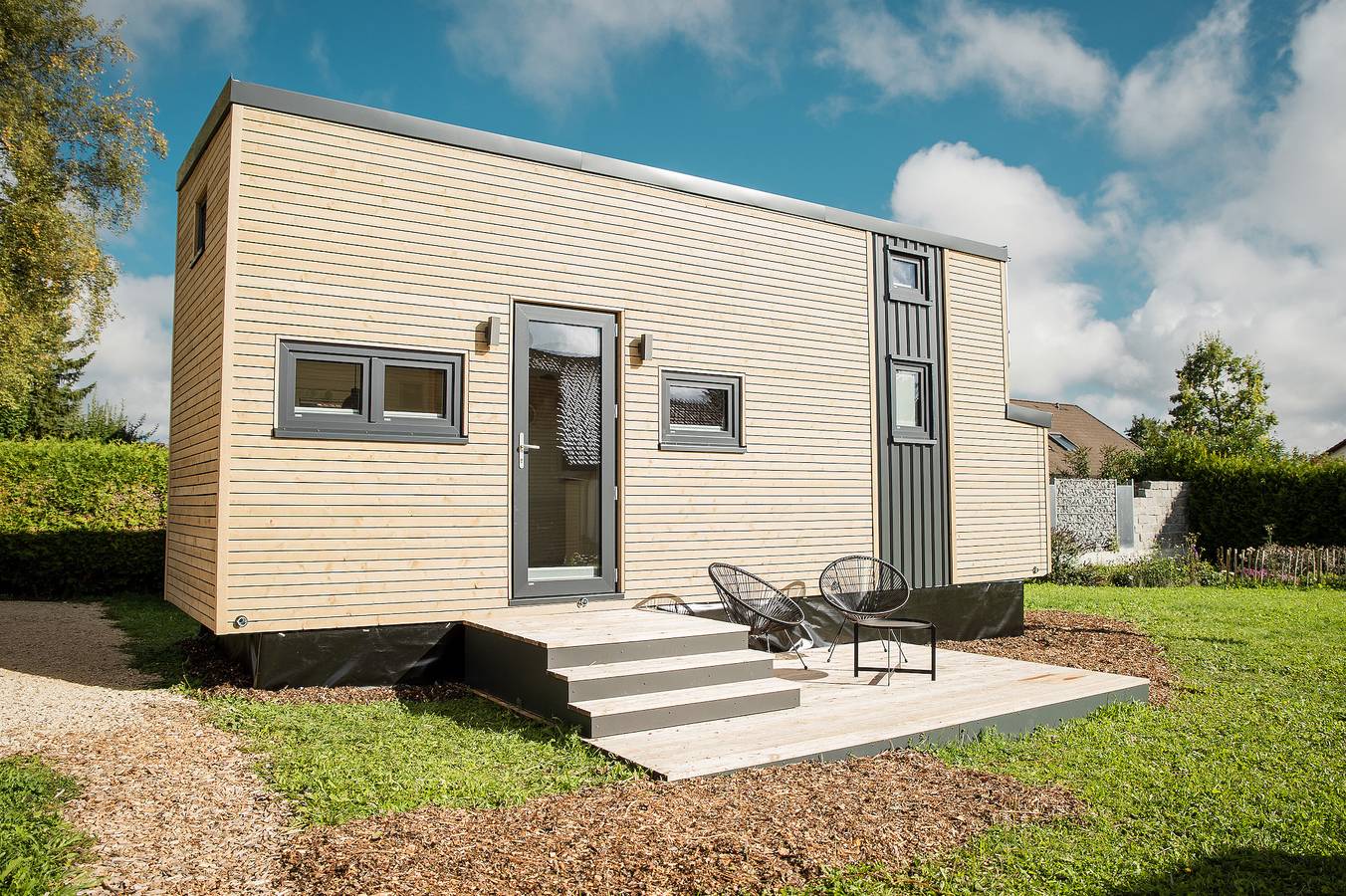
Tiny homes are more popular than ever in Florida, but here’s what surprises most buyers: the majority of tiny homes built or parked across the state are not automatically legal. Compliance is not a checkbox you tick at the end of the process. It shapes every decision, from your foundation type to your window specs to where you can legally live year-round. Understanding what makes a tiny home truly compliant in Florida means navigating building codes, hurricane resistance standards, zoning rules, and permits. This guide breaks all of it down so you can move forward with confidence.
Table of Contents
- Defining a compliant tiny home in Florida
- Codes, permits, and zoning: The foundation of legality
- Weather-proof requirements: Hurricane and flood compliance
- How compliance enables customization, sustainability, and affordability
- Explore compliant tiny home solutions in Florida
- Frequently asked questions
Key Takeaways
| Point | Details |
|---|---|
| Florida compliant tiny home definition | A compliant tiny home must be up to 400 sq ft, meet Florida Building Code, and satisfy hurricane and zoning requirements. |
| Permitting and zoning essentials | Legal tiny homes require a multi-step permit process and county-specific zoning approvals, especially for ADUs. |
| Hurricane safety and costs | Wind-rated construction and flood planning are mandatory, increasing costs by 20-50% for full compliance. |
| Customization and eco benefits | Compliance opens options for eco-friendly, affordable, and customizable designs, maximizing livability and resale value. |
| Pathways to ownership | Buyers can explore fully compliant prefab or park model tiny homes available from trusted manufacturers in Florida. |
Defining a compliant tiny home in Florida
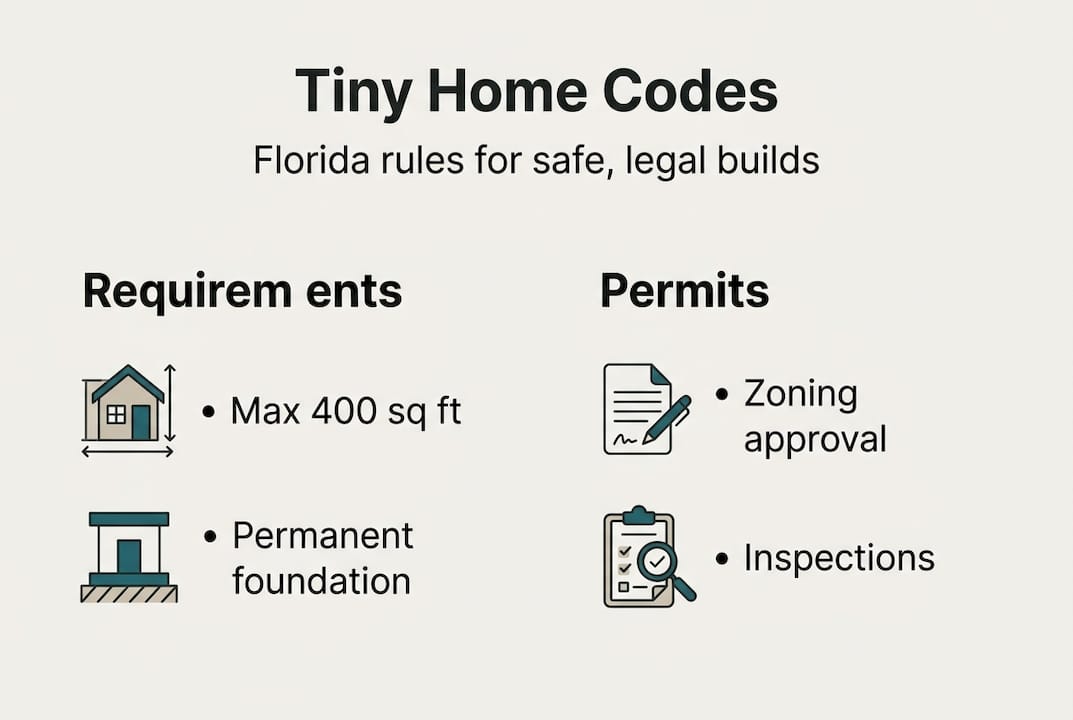
Florida does not treat all small structures the same way. A compliant tiny home is a specific legal category, and the details matter. According to FBC 2023 and Appendix Q, a compliant tiny home in Florida is a dwelling of 400 sq ft or less (lofts excluded) that meets the Florida Building Code (FBC) including Appendix Q, with hurricane wind resistance rated between 140 and 180+ mph depending on your zone, a proper foundation or certification for THOWs (Tiny Houses on Wheels) or Park Models, and approved local zoning and permits.
Appendix Q was adopted in Florida in 2020 and specifically addresses the unique structural and safety needs of tiny homes. Before that, most tiny homes fell into a gray area that made permitting nearly impossible in many counties.
There are three main types of compliant tiny homes in Florida:
- Permanent foundation homes: Treated like small single-family houses or ADUs (Accessory Dwelling Units). Require full FBC compliance and a Certificate of Occupancy (CO).
- THOWs (Tiny Houses on Wheels): Built on a trailer chassis. Regulated differently and often limited to seasonal use unless placed on a permanent foundation.
- Park Model homes: Factory-built units up to 400 sq ft, certified under ANSI A119.5 standards, and widely accepted in Florida tiny home communities.
Understanding Florida tiny home codes before you buy or build is the single most important step you can take. Zoning and permitting are not afterthoughts. They determine whether your home is a legal residence or a liability.
| Type | Foundation | Legal status | Year-round residency |
|---|---|---|---|
| Permanent foundation | Required | Full CO | Yes |
| THOW | Optional | Limited/seasonal | Only with permanent foundation |
| Park Model | Anchored | ANSI certified | Yes, in approved communities |
The tiny house zoning guide for Florida is a useful reference for understanding how county-level rules affect your options before you commit to a location.
Codes, permits, and zoning: The foundation of legality
Having established the core requirements, let’s break down how codes, permits, and zoning work in practice. The permit process for a compliant tiny home in Florida follows a clear sequence, but each step has real consequences if skipped.
- Zoning check: Confirm your county allows tiny homes or ADUs on your chosen parcel. Rules vary widely.
- Site plan submission: A scaled drawing of your property showing setbacks, utilities, and placement.
- Engineered drawings: Structural plans stamped by a licensed Florida engineer. Required for permanent foundation homes.
- Inspections: Foundation, framing, electrical, plumbing, and final inspections are all required.
- Certificate of Occupancy (CO): Issued after all inspections pass. This is what makes your home legally habitable.
Permanent foundation tiny homes are treated as small houses or ADUs and require full FBC compliance, building permits, inspections, and a CO. Zoning minimums vary by county. Orange County requires a minimum of 500 sq ft for ADUs, while Sarasota County sets the bar at 750 sq ft. This means a 400 sq ft home may be compliant under state code but still not permitted in certain counties.
THOWs face a different challenge. They cannot qualify as ADUs without being placed on a permanent foundation and having their wheels removed. Some rural counties prohibit wheeled structures entirely on residential lots. This patchwork of local rules is one of the most common sources of confusion for buyers.
“Full legal compliance enables year-round residency. A THOW parked without proper foundation approval may only qualify for seasonal use, limiting your options significantly.”
Pro Tip: If you want to speed up the permitting process, look for pre-approved modular or park model designs. Manufacturers who build to FBC standards and provide pre-stamped engineering drawings can cut weeks off your timeline. You can review the full tiny home permitting steps to understand what to prepare before you start.
For a broader view of the legal landscape, property rules for tiny houses in Florida covers the key questions around placement and ownership rights. The tiny home build guide walks through the construction sequence from permits to final walkthrough.
Weather-proof requirements: Hurricane and flood compliance
With legal and structural factors covered, let’s focus on Florida’s unique weather-proofing requirements. This is where many buyers underestimate both the complexity and the cost.
Florida is divided into wind zones, and your tiny home must be engineered to meet the standard for its specific location:
- Inland zones: Wind resistance of 140 to 150 mph.
- Coastal zones: Wind resistance of 160 to 180 mph.
- HVHZ (High-Velocity Hurricane Zone): 180 mph minimum, covering Miami-Dade and Broward counties.
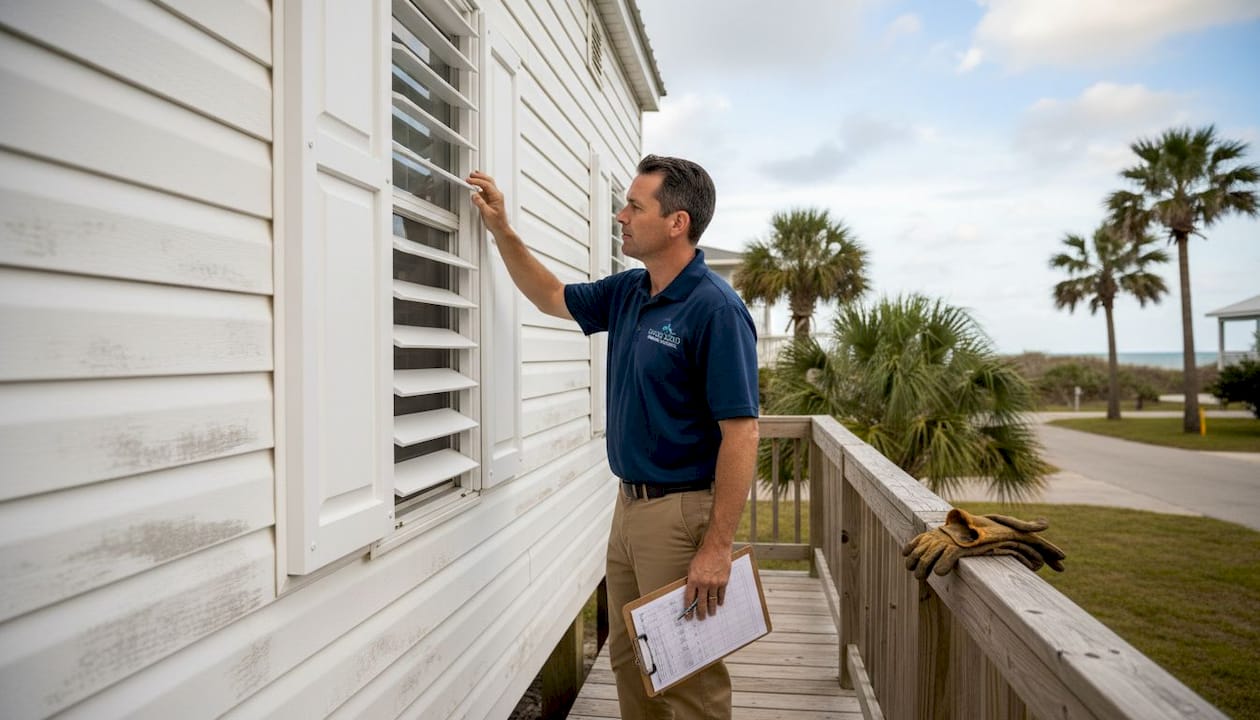
These are not suggestions. They are code requirements enforced during inspections. Hurricane compliance includes impact-rated windows and doors, engineered hurricane tie-downs, anchoring systems rated for your wind zone, and flood elevation compliance under FEMA guidelines in high-risk areas.
Flood compliance is equally important. If your property sits in a FEMA-designated Special Flood Hazard Area (SFHA), your home must be elevated to or above the Base Flood Elevation (BFE). This often means a raised foundation, which adds both cost and engineering complexity.
Pro Tip: Before purchasing land, check the FEMA Flood Map Service Center to identify your flood zone. A parcel in Zone AE will require significantly more engineering investment than one in Zone X.
The cost impact is real. Hurricane-resistant features add 20 to 50% to your total build cost depending on your zone and design. For a $120,000 base build, that could mean an additional $24,000 to $60,000. Budgeting for this upfront prevents painful surprises later.
- Impact windows and doors rated for your wind zone
- Steel or concrete anchoring systems
- Reinforced roof connections and strapping
- Elevated foundation in flood-prone areas
- Moisture-resistant exterior materials
Working with a builder who understands tiny home engineering in Florida’s specific climate is not optional. It is the difference between a home that passes inspection and one that does not. You can also review tiny home cost factors to get a clearer picture of how weather-proofing fits into your overall budget.
How compliance enables customization, sustainability, and affordability
Now, let’s see how compliance benefits your home’s flexibility, sustainability, and affordability beyond just legality. Many buyers assume that meeting code limits their design options. The opposite is often true.
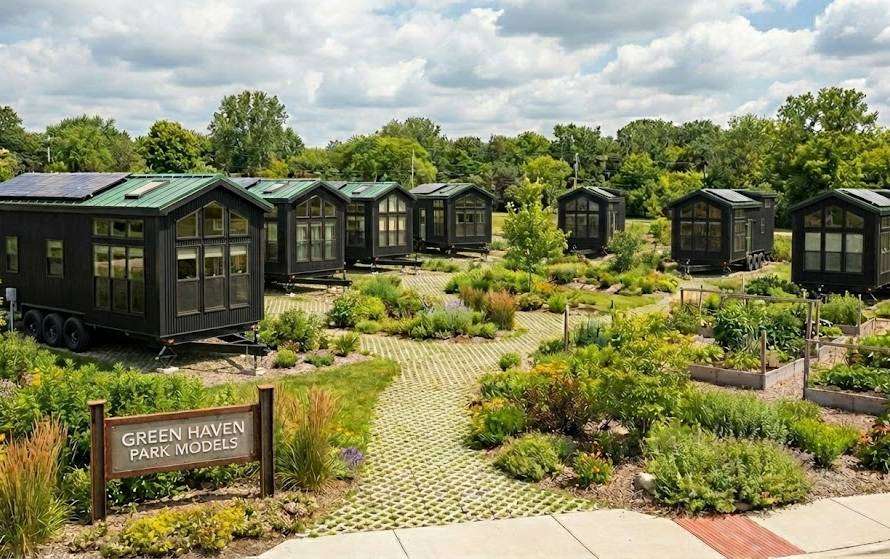
Compliant park model homes are accepted in Florida’s growing network of tiny home communities, which offer shared amenities, established utilities, and a built-in neighborhood feel. Compliant park models are widely accepted in these communities, and the engineering costs for proper anchoring typically add $5,000 to $10,000 to the total build. That is a manageable investment for a home that is fully legal, insurable, and financeable.
Legal compliance also opens doors that non-compliant builds close. Banks and lenders are far more willing to finance a home with a CO and proper certifications. Resale value is stronger. Insurance is available at standard rates rather than specialty high-risk policies.
“A compliant tiny home can serve as an ADU on your existing property, adding rental income potential and addressing Florida’s ongoing housing affordability challenges.”
Sustainability is another area where compliant builds shine. Because the structure must meet engineering standards, it is easier to integrate features like solar panels, energy-efficient HVAC systems, and low-flow plumbing without compromising structural integrity. Energy efficient home design can save homeowners up to $1,700 annually, and a well-built tiny home is an ideal platform for those savings.
Here is what a fully compliant, eco-friendly tiny home in Florida can include:
- Solar panel system with battery backup
- Mini-split HVAC for energy-efficient climate control
- Low-energy LED lighting and smart home controls
- Rainwater collection systems where permitted
- Recycled or sustainably sourced interior materials
The eco-friendly home process at Ecolife Homes integrates these features from the design phase, not as add-ons. If you are exploring affordable tiny homes in Florida, compliance is not a barrier to affordability. It is the foundation of it. You can also browse tiny homes for sale to see what compliant models look like in practice.
Explore compliant tiny home solutions in Florida
At Ecolife Homes, we have spent over 21 years combining civil engineering expertise with hands-on home construction to build park model tiny homes that are fully compliant with Florida’s codes from day one. Every model we design accounts for wind zone requirements, permitting needs, and sustainable living features before a single panel is cut.
Whether you are looking for a primary residence, a vacation rental, or an ADU to add value to your property, our team handles everything from permits to final installation. Explore our Florida tiny home options to see available models, or take a closer look at our eco-friendly tiny designs for sustainable living solutions. If you are weighing your construction approach, our guide on prefab vs traditional homes explains why prefab park models often offer the fastest path to a compliant, move-in-ready home in Florida.
Frequently asked questions
What size qualifies as a compliant tiny home in Florida?
Florida defines a compliant tiny home as a dwelling up to 400 sq ft, with loft space excluded from that measurement. Anything larger falls under standard residential building codes.
Can I use a THOW as an ADU in Florida?
THOWs cannot qualify as ADUs unless they are placed on a permanent foundation and the wheels are removed. County-specific zoning rules also apply and vary significantly.
How does hurricane compliance affect tiny home costs?
Hurricane-resistant features add 20 to 50% to your total build cost, with the highest increases in coastal and High-Velocity Hurricane Zone areas like Miami-Dade and Broward counties.
What permits are needed for a compliant tiny home?
You need zoning approval, a site plan, engineered drawings and inspections, and a Certificate of Occupancy. The exact sequence depends on your county and whether your home is on a permanent foundation.
Are there compliant tiny homes available for purchase in Florida?
Yes. Compliant park models and prefab tiny homes are available from several Florida manufacturers and are accepted in a growing number of approved tiny home communities across the state.