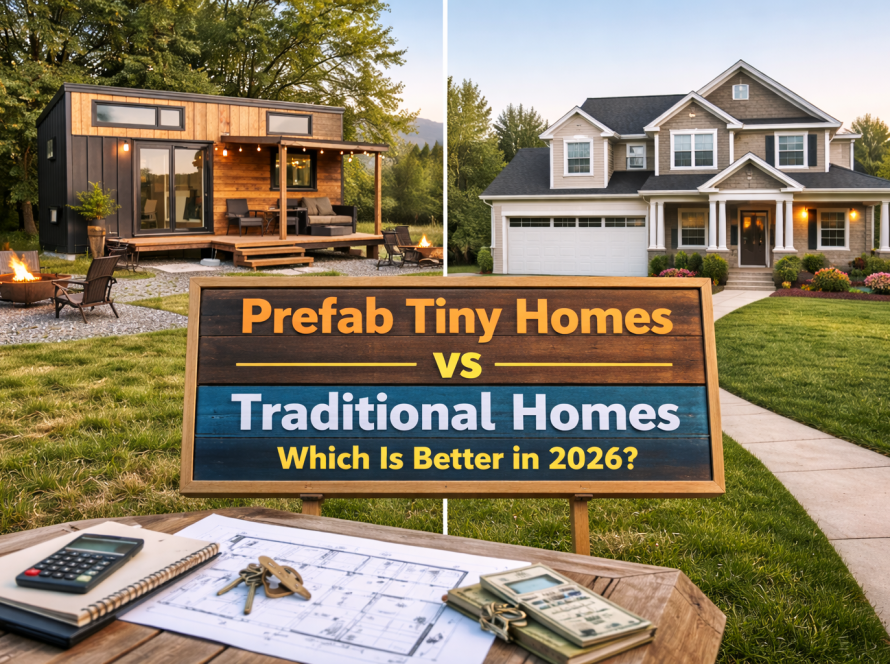
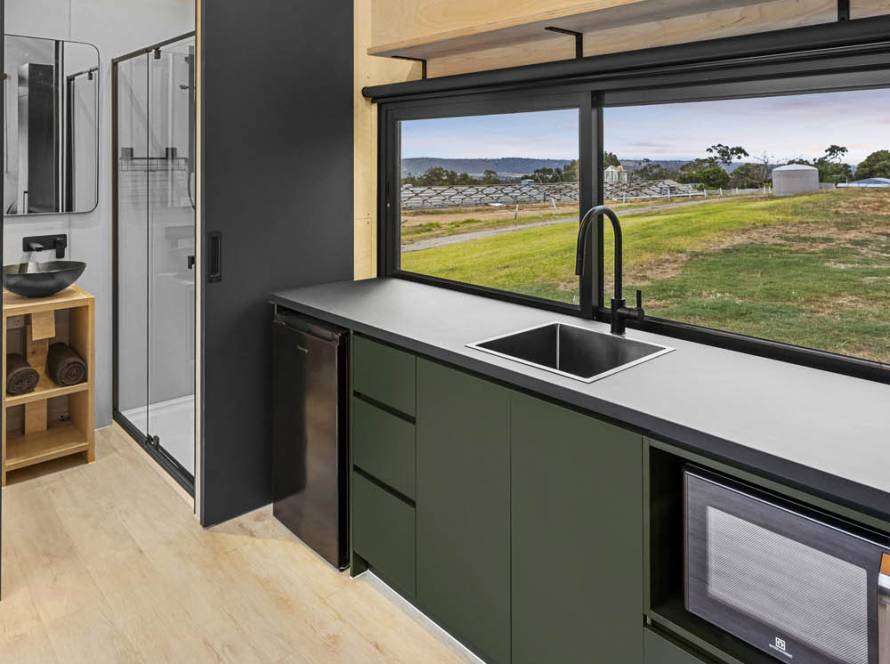
What Is Affordable Housing? Your Path to Home Ownership

Affordable housing is defined by HUD as housing costs—including utilities—that do not exceed 30% of gross income, but local standards may vary. True affordability also depends on total costs, including utilities, transportation, insurance, and maintenance, often overlooked in initial decisions. Tiny homes can be a viable affordable option if they meet local zoning, building codes, and cost guidelines for low-to-moderate-income households.
Most people assume that finding a cheap place to live means they’ve solved the affordability problem. That assumption is wrong, and it costs families real money. The U.S. Department of Housing and Urban Development (HUD) defines affordable housing as paying no more than 30% of your gross income on housing costs, including utilities. That single standard changes everything about how you evaluate your options, whether you’re renting an apartment, buying a home, or exploring alternatives like customizable tiny homes.
Table of Contents
- Defining affordable housing: The real criteria
- Eligibility, income limits, and the role of AMI
- Myth vs. reality: How housing costs can fool you
- Customizable tiny homes: Where do they fit in?
- Why affordable housing is about more than price: Our take
- Explore your affordable housing options with Ecolife Homes
- Frequently asked questions
Key Takeaways
| Point | Details |
|---|---|
| Understand the 30 percent rule | Affordable housing means spending no more than 30% of your gross income on housing, including utilities. |
| Check your local criteria | Eligibility rules can differ by city or county, so always review local definitions. |
| AMI and income categories matter | Eligibility for assistance is tied to how your income compares to area median income (AMI) and program standards. |
| Tiny homes offer a flexible solution | Customizable tiny homes can meet affordability and sustainability needs when they follow regulations. |
| Total cost, not just price | True affordability weighs all ongoing expenses, not just monthly rent or mortgage. |
Defining affordable housing: The real criteria
To truly take advantage of affordable housing opportunities, you first need to know what “affordable” really means. The word gets used loosely in real estate listings, political debates, and casual conversation. The official meaning is far more specific.
According to HUD’s affordability standard, a home is genuinely affordable when a household pays no more than 30% of its gross income on gross housing costs, which includes rent or mortgage payments, plus utilities. That last part matters more than most people realize. A unit with $800 monthly rent and $300 in utilities costs $1,100 per month in real housing expenses. If your gross income is $2,800 per month, that $800 rent looks manageable until you add the utility bill and realize you’re now at 39% of income spent on housing. That’s not affordable by federal standards.
Understanding affordable housing basics also means recognizing that gross housing costs can include:
- Monthly rent or mortgage payment
- Electricity, gas, and water bills
- Trash removal and sewer fees
- Required renter’s or homeowner’s insurance in some programs
- Homeowners Association (HOA) fees where applicable
“HUD’s general rule of thumb for ‘affordable housing’ is when occupants pay no more than 30% of their gross income for gross housing costs, including utilities.” — HUD Glossary
The 30% threshold is a federal guideline, not an absolute national law. HUD also notes that local governments may use their own locally determined criteria instead of the federal standard. Some cities in high-cost areas like San Francisco or New York have adjusted their thresholds to reflect local market realities. Others apply stricter standards for specific subsidy programs. This is why you can’t assume one definition applies everywhere. Always check what your city or county considers affordable when you’re applying for housing assistance or evaluating a specific program.
Breaking down the 30% rule with real numbers
| Gross monthly income | 30% threshold | Max affordable housing cost (incl. utilities) |
|---|---|---|
| $2,000 | $600 | $600/month |
| $3,500 | $1,050 | $1,050/month |
| $5,000 | $1,500 | $1,500/month |
| $7,000 | $2,100 | $2,100/month |
This table makes the rule concrete. A household earning $3,500 per month gross should spend no more than $1,050 on housing costs in total, not just rent. If utilities average $250 per month, rent should be no higher than $800 to stay within the guideline.
Eligibility, income limits, and the role of AMI
Understanding how your income fits into official housing formulas is the next step. Federal and state housing programs don’t just look at your total income. They compare it to a regional benchmark called Area Median Income, or AMI.
Federal housing programs use AMI to determine who qualifies for assistance and how much rent they’re expected to pay. AMI is calculated for each metropolitan area and county, which means it reflects local economic conditions rather than a single national figure. A household earning $55,000 per year might be considered low income in Seattle but moderate income in rural Mississippi.
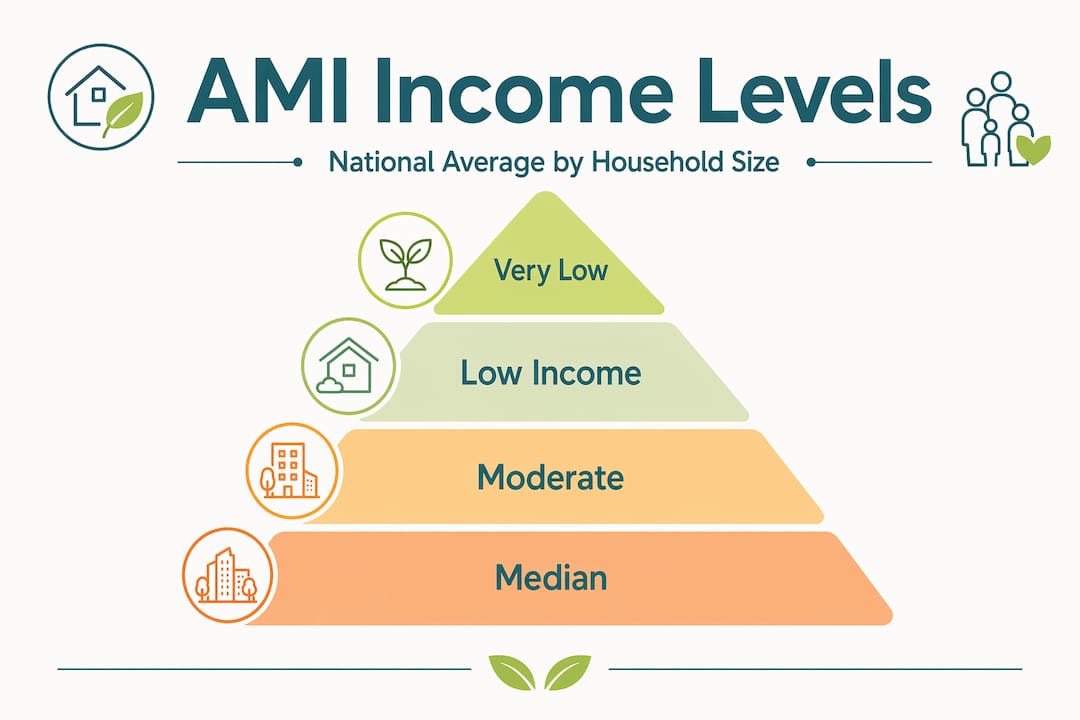
HUD then divides households into income categories based on their percentage of AMI. These categories include:
- Extremely low income: 30% of AMI or below
- Very low income: 31% to 50% of AMI
- Low income: 51% to 80% of AMI
- Moderate income: 81% to 120% of AMI
Most federal housing assistance programs, including Section 8 vouchers and public housing, target households in specific categories depending on program rules. Some programs only serve extremely low-income households. Others accept moderate-income applicants for specific homeownership programs.
AMI income limits by household size (example, national average)
| Household size | 50% AMI (very low) | 80% AMI (low income) | 120% AMI (moderate) |
|---|---|---|---|
| 1 person | ~$27,950 | ~$44,750 | ~$67,100 |
| 2 people | ~$31,950 | ~$51,150 | ~$76,700 |
| 4 people | ~$39,900 | ~$63,850 | ~$95,800 |
| 6 people | ~$46,750 | ~$74,800 | ~$112,200 |
Note: These figures are approximate national averages. Actual limits vary significantly by location and are updated annually by HUD.
Household size plays a major role in eligibility. A family of four earning $60,000 per year may qualify for programs that a single adult at the same income would not, because the income limits scale upward with each additional person. This is designed to reflect the real cost burden that larger families face.
Pro Tip: Look up your specific county’s AMI on HUD’s website before applying to any program. Income limits can vary by tens of thousands of dollars from one county to the next, even within the same state. Knowing your local AMI helps you understand exactly which programs you qualify for before investing time in applications.
Tiny home financing options also tie into AMI in some states, particularly when municipalities are creating affordable tiny home communities with subsidized land costs or low-interest loan programs for qualifying buyers.
Myth vs. reality: How housing costs can fool you
Even knowing the formulas, real-world choices can surprise you. Many families make housing decisions based on the advertised rent or sale price alone, without factoring in the full cost picture. This is one of the most common and costly mistakes in housing decisions.
Consider two rental units in the same city. Unit A rents for $950 per month and is located in an older building with poor insulation, older appliances, and window AC units. Unit B rents for $1,050 per month in a newer, energy-efficient building with central air and modern insulation.
At first glance, Unit A looks more affordable. But the true affordability test changes the picture entirely:
| Unit A | Unit B | |
|---|---|---|
| Monthly rent | $950 | $1,050 |
| Average monthly utilities | $320 | $145 |
| Total monthly housing cost | $1,270 | $1,195 |
| Affordable for $48,000/yr gross income? | No (31.7%) | Yes (29.9%) |
Unit B is actually more affordable by HUD standards, even though its rent is $100 higher. This kind of comparison reveals why evaluating micro homes and affordability through a total-cost lens matters so much for long-term financial health.
Beyond utilities, housing costs can include several factors that buyers and renters often overlook:
- Transportation costs: A cheaper home farther from work may cost more overall once commuting expenses are added
- Property taxes: Important for homeowners; can vary widely between neighborhoods and municipalities
- Maintenance and repair: Older, lower-cost homes often require more frequent and expensive repairs
- Insurance premiums: Flood zones, wildfire areas, and high-crime neighborhoods drive up insurance costs significantly
- Parking fees: In urban areas, parking can add $100 to $300 per month to housing costs
“In HUD’s assisted-housing context, ‘affordable rent’ is defined using the 30%-of-income concept, encompassing all housing-related costs rather than base rent alone.” — HUD Income Limits Methodology
Pro Tip: Before committing to any housing option, list every recurring cost associated with living there for 12 months. Divide the annual total by your gross annual income. If the result exceeds 0.30, the housing doesn’t meet the affordability standard, regardless of how cheap it looks in the listing.
Customizable tiny homes: Where do they fit in?
So where do innovative solutions like tiny homes fit into this bigger picture? The answer is: more firmly than most people expect.
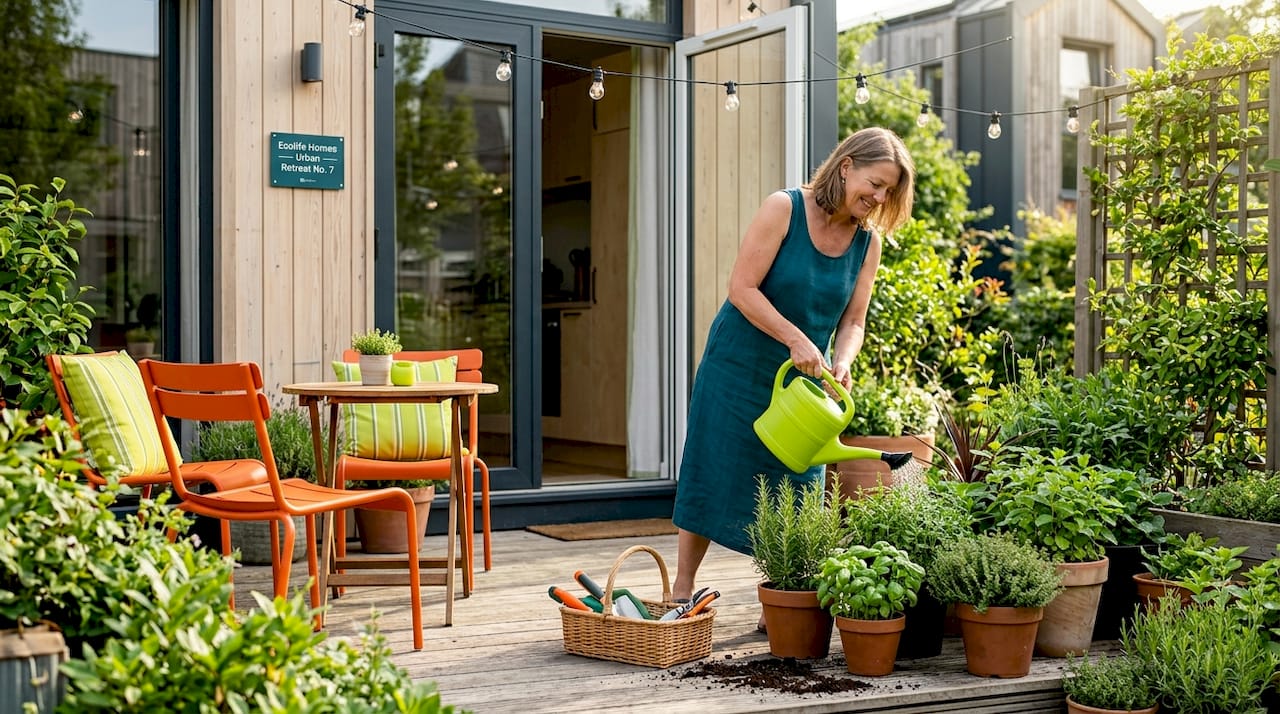
Tiny homes are increasingly recognized as a legitimate and effective part of the affordable housing continuum. Research and real-world projects, including permanent affordable housing demonstration programs, have shown that well-designed tiny homes can serve individuals and families who need quality housing at manageable costs. The smaller footprint means lower construction costs, lower utility bills, and in many cases, lower property taxes.
The financial advantages are real. A park model tiny home purchased outright or financed at a modest amount generates much lower monthly carrying costs than a traditional house or even a market-rate apartment in most U.S. cities. When you run those lower costs through the 30% affordability test, tiny homes often pass comfortably for households at 50% to 80% AMI.
That said, tiny homes come with specific requirements that you need to understand before moving forward:
- Zoning compliance: Not every parcel of land allows tiny homes. Local zoning and building codes determine where tiny homes can be placed and what standards they must meet. Some municipalities have created tiny home friendly zones; others still restrict them under minimum square footage rules.
- Building code standards: Tiny homes built to ANSI/RVIA (Recreational Vehicle Industry Association) or HUD standards must meet specific structural, electrical, plumbing, and safety requirements. Understanding tiny home building codes in your state is a critical first step.
- Park model classification: Park model homes, a specific category of tiny homes, are built on a steel chassis and classified separately from traditional RVs or manufactured homes. This classification affects where they can be placed and how they’re financed.
- Utilities and hookups: Even a tiny home needs access to water, sewer or septic, and electrical service. These infrastructure costs can affect overall affordability, particularly in rural or undeveloped areas.
Strategies for affordable tiny homes often focus on combining low purchase prices with smart placement choices. Locating a tiny home in a park or community that already has utility hookups eliminates much of the infrastructure cost. Choosing customization options that prioritize energy efficiency, such as spray foam insulation, high-efficiency HVAC systems, and LED lighting, reduces ongoing utility costs and strengthens the affordability case.
A well-chosen tiny home isn’t just affordable today. It’s designed to stay affordable over time, which is the real goal.
Why affordable housing is about more than price: Our take
After more than two decades of combined experience in civil engineering and home construction, we’ve seen the same pattern repeat. Families chase the lowest sticker price and end up spending more than they planned, living in a home that doesn’t fit their needs, or losing an investment to poor construction quality. True affordability is about more than the number on a listing.
The most financially sound housing decisions we’ve seen come from people who think about their total cost of ownership over five to ten years, not just their first monthly payment. Energy-efficient materials save real money every month. Durable steel framing and quality construction mean fewer repair bills. A layout that actually matches how your family lives prevents the need to move again in two years.
We also believe that regulations are an asset, not an obstacle. Working within local zoning and building code requirements protects your investment, makes financing easier, and keeps your home legally situated. Shortcuts on compliance can cost far more than they save. We’ve seen buyers lose their placements or face fines because a home didn’t meet local standards. Following the rules from the start is always the smarter financial choice.
Finally, personalization makes a real difference in long-term affordability. A home that genuinely fits your lifestyle reduces the urge to upgrade or relocate. Custom affordable home building lets you prioritize the features you actually use, avoid paying for space or finishes you don’t need, and end up with a home that serves you well for years. That’s what real affordability looks like in practice.
Explore your affordable housing options with Ecolife Homes
If you’re ready to put these affordable housing insights into action, Ecolife Homes is here to support every step of your journey.
We design and manufacture premium steel park model tiny homes in Florida and deliver them anywhere in the USA, handling everything from permitting to final installation. Our team brings over 21 years of combined expertise to every build, so you get a home that meets local code requirements and fits comfortably within your budget. Explore tiny home living to see what’s possible, browse custom home designs that match your lifestyle and financial goals, or read our detailed sustainable tiny homes guide to understand how smart design decisions lower your long-term housing costs. Your path to genuine affordability starts with the right home.
Frequently asked questions
What is the official definition of affordable housing?
Affordable housing in the U.S. means your total housing costs, including utilities, do not exceed 30% of your gross income, as established by HUD’s standard guideline.
How is eligibility for affordable housing determined?
Eligibility is usually based on percentages of Area Median Income (AMI), with income limits set by HUD that vary by household size and local market.
Can tiny homes qualify as affordable housing?
Yes. Tiny homes are part of the broader affordable housing continuum, including in permanent affordable housing demonstration projects, as long as they meet local zoning, building codes, and cost guidelines.
Does affordable housing always mean low cost?
Not necessarily. “Affordable” means costs are manageable relative to your income, not just the lowest price available. A cheaper unit with high utilities can fail the affordability test entirely.
What local factors affect affordable housing definitions?
Some cities and states apply their own income and cost thresholds, so local rules may differ significantly from federal guidelines, making it essential to check requirements in your specific area.
Recommended
- Affordable housing solutions in Florida: top options for 2026
- Affordable Tiny Homes – Ecolife Homes – Park Model Home Manufacturer – Florida – USA
- Sustainable housing guide: tiny & eco homes in 2026
- Blog Standard – Ecolife Homes – Park Model Home Manufacturer – Florida – USA