Affordable Custom ADU in Your Backyard: What Tallahassee Homeowners Need to Know in 2026-2027
There is a shift happening in Tallahassee backyards that most people have not fully caught onto yet. Quietly, over the last couple of years, the city has been rewriting its own rulebook to make it easier to build a small, self contained living space right on your existing property. If you have been putting off the idea of an accessory dwelling unit because you assumed it would take a year of permitting headaches and cost as much as a small house, it is worth taking a fresh look. A lot has changed, and it keeps changing in the homeowner’s favor.
What an ADU Actually Is, and Why Tallahassee Cares
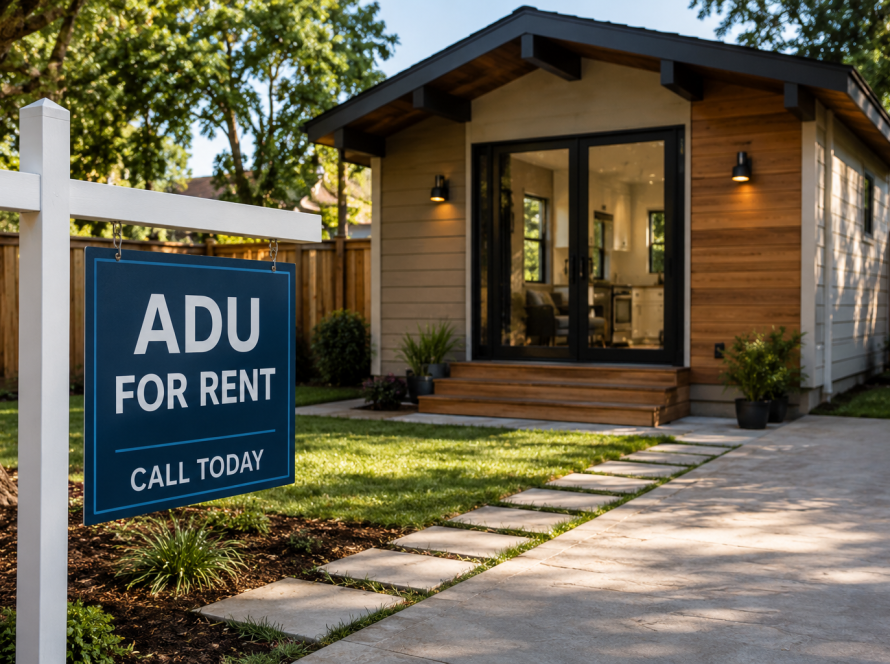
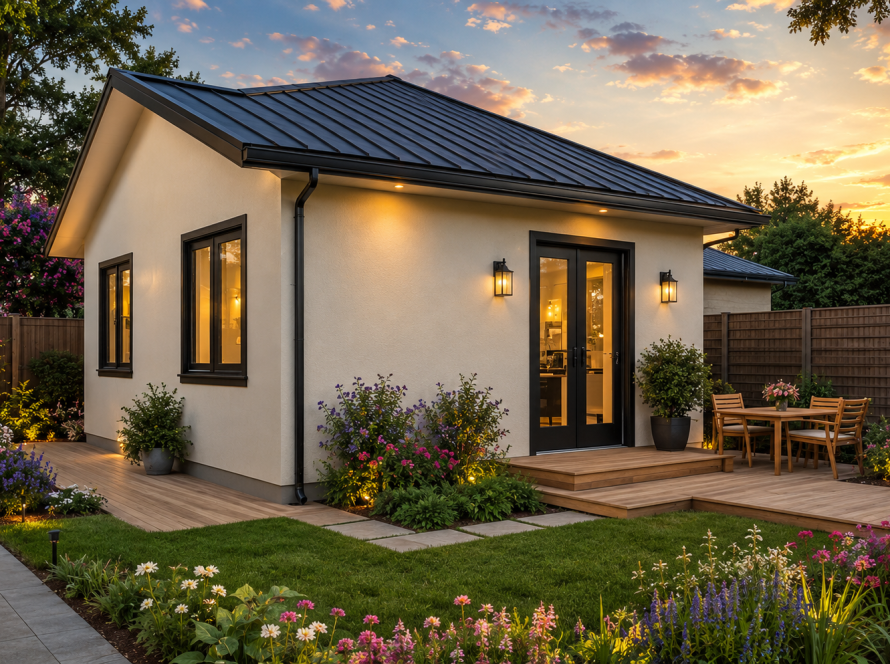
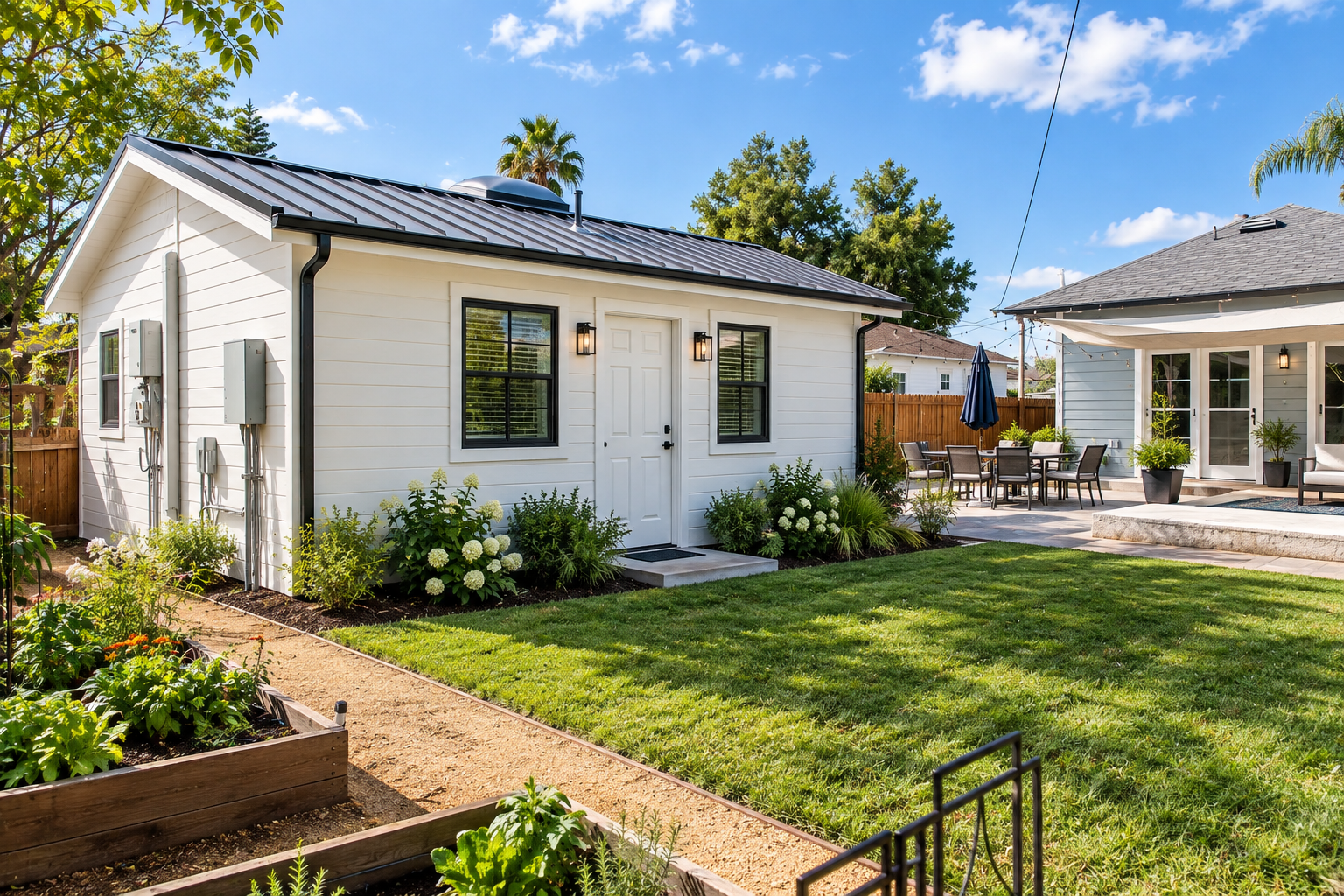
An accessory dwelling unit, usually just called an ADU, is a small independent living space located on the same lot as a primary home. Sometimes people call them granny flats or in law suites, and sometimes people build them purely as a rental. Whatever you call it, the idea is the same: a fully functional home, with its own kitchen, bathroom, and sleeping area, sitting quietly in the backyard of a property that already has a main house on it.
For years, ADUs were technically legal in Tallahassee but effectively impossible in practice. The permitting process treated a small backyard cottage almost like a major subdivision project, and the result was predictable. The city issued only a small handful of ADU permits per year for a long stretch, even though plenty of residents wanted to build one.
That changed in 2024, when the Tallahassee City Commission voted to relax the rules significantly. The maximum allowed size grew from 800 square feet up to 1,100 square feet, and ADUs became eligible for their own separate address and utility connections rather than being tied entirely to the main home’s meter. City leadership was direct about the reasoning: with a large renter population tied to Florida State, FAMU, and TCC, and steady demand for smaller, more affordable units, ADUs were seen as a practical way to add housing without pushing through large scale development projects.
The State Is Pushing Too
Tallahassee is not acting alone here. In early 2026, the Florida Senate unanimously passed a bill that would require local governments across the state to adopt an ordinance allowing accessory dwelling units in single family neighborhoods, building on the framework already established under Florida Statutes section 163.31771. Housing affordability has consistently ranked as one of the top concerns among Florida voters in recent polling, and lawmakers on both sides have pointed to ADUs as one of the more realistic tools available, since they add housing supply without requiring new land, new roads, or new large scale infrastructure.
Whether or not that particular bill becomes final law exactly as written, the direction is clear. Both the city and the state are actively working to make backyard housing easier to build, not harder. For homeowners who have been sitting on the fence, this is genuinely one of the more favorable regulatory windows Tallahassee has seen for this kind of project.
Why Build Instead of Buy or Rent
The obvious question is why go through the process at all. A few reasons keep coming up with the families and property owners we talk to.
For homeowners with aging parents, an ADU means keeping family close without sacrificing everyone’s privacy. Mom or dad gets their own front door, their own kitchen, and their own space, while still being a short walk away instead of a long drive.
For homeowners with adult children coming back from college or just starting out, it offers a stepping stone. They get independence without the financial strain of a full apartment lease in a tight rental market.
For anyone thinking about income potential, a legally permitted ADU with its own address and utilities can be rented out as a long term rental or, depending on local rules, a short term stay, turning an underused corner of the yard into a source of monthly income that helps offset a mortgage.
And for property owners simply trying to make the most of land they already own, a well designed ADU adds real, appraised value to the property, which matters whether you plan to stay for decades or sell in a few years.
What “Custom” and “Affordable” Actually Mean Together
Those two words get thrown around a lot in the housing world, often as a contradiction. Custom tends to imply expensive, and affordable tends to imply generic. The reality does not have to work that way if the build process is set up correctly from the start.
The biggest cost drivers on a backyard ADU are usually foundation work, site prep, utility runs, and the sheer amount of time a traditional stick built structure takes on site. A steel framed, factory built unit shifts most of that labor and precision work into a controlled manufacturing environment rather than an open backyard exposed to Tallahassee’s summer humidity and afternoon storms. That alone tends to shorten timelines and reduce the surprises that drive up cost on traditional construction jobs.
Custom, in this context, does not mean starting from a blank sheet of paper every time. It means choosing from thoughtful layout options, adjusting finishes, and tailoring details like porch placement, window position, or interior storage to fit the specific backyard and the specific family using it, without needing to reinvent structural engineering from scratch on every single build. That is how you get a home that feels personal without paying for the inefficiency of true one off custom construction.
Working Through the Local Permitting Process
Even with friendlier rules on the books, Tallahassee still has a defined process, and skipping steps is the fastest way to end up with delays.
Generally speaking, a project starts with confirming zoning eligibility for the specific lot, since setback requirements, lot coverage limits, and tree protection rules under the Land Development Code still apply. From there, plans typically go through a permitted use verification and a building permit application, followed by the standard inspections tied to electrical, plumbing, and final occupancy before a certificate of occupancy is issued. The City of Tallahassee Building Department, located on North Macomb Street, is the point of contact for the specifics, and confirming current requirements directly with Growth Management before finalizing a design is always worth the extra step, since local code details continue to evolve alongside the broader push to simplify the process.
Working with a company that already understands this local process, rather than one unfamiliar with Leon County’s specific requirements, tends to save homeowners weeks or even months compared to going it alone or working with an out of area builder learning the rules for the first time.
What to Look For in an ADU Partner
If you are starting to research options for your own backyard, a few questions will tell you quickly whether a company is set up to actually deliver.
Ask whether the structure is engineered and certified to a recognized standard, not just assembled to look nice. Ask what the realistic timeline looks like from signed contract to move in ready, including permitting. Ask how site specific factors, like a sloped yard, existing trees, or utility access, get addressed during design rather than after construction has already started. And ask directly what is included in the quoted price versus what tends to come up as an added cost later, since that is where a lot of ADU budgets quietly grow.
A company that can answer these clearly, with real examples from Tallahassee properties specifically, is going to save you time, money, and frustration compared to one working from a generic national playbook.
The Bottom Line
Tallahassee’s backyards are becoming one of the more practical answers to a housing market that has gotten tighter every year. The rules have loosened, the state is pushing in the same direction, and the technology behind small footprint, factory built housing has matured to the point where affordable and well built are no longer opposites.
If you have land, a family situation that could use more flexibility, or simply an unused corner of the yard, now is a genuinely good time to look into what a custom ADU could look like on your own property, built with your specific family and your specific budget in mind.