Your guide to buying a tiny home in Florida: costs & eco tips
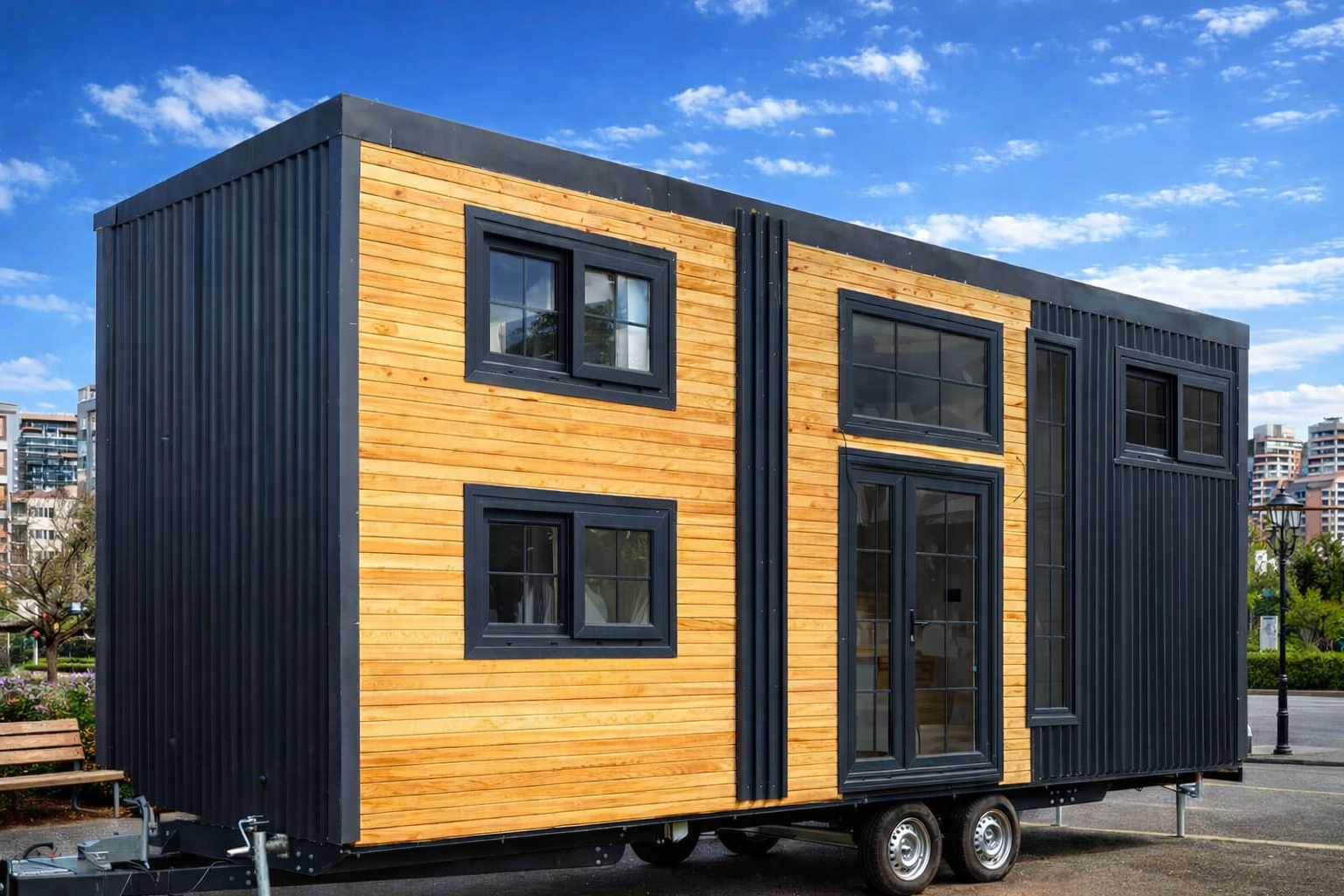
Tiny homes in Florida are typically under 400 sq ft, with categories for park models and permanent foundations. The buying process involves zoning checks, selecting certified builders, securing appropriate financing, and utility setup. Eco-friendly upgrades like solar and SIP panels enhance energy efficiency and long-term savings.
Florida’s median home price hits $420k, putting traditional homeownership out of reach for many families, retirees, and eco-conscious buyers. Tiny homes offer a genuinely different path: lower costs, a smaller footprint, and the freedom to customize your space around your values. Whether you’re looking to downsize, invest in a vacation rental, or simply stop renting, Florida’s growing tiny home market has real options worth exploring. This guide walks you through everything you need to know, from zoning and classifications to budgeting, eco upgrades, and the exact steps to buy smart.
Table of Contents
- Understanding tiny homes in Florida
- Step-by-step: The Florida tiny home buying process
- Budgeting and financing your tiny home
- Eco-friendly features and sustainability upgrades
- Common pitfalls and how to avoid rookie mistakes
- Expert perspective: What most guides miss about tiny home buying in Florida
- Custom solutions and next steps with Ecolife Homes
- Frequently asked questions
Key Takeaways
| Point | Details |
|---|---|
| Know your home type | Decide between a park model, THOW, or permanent foundation based on your lifestyle and financing options. |
| Zoning comes first | Check local zoning and permitting before spending to avoid deal-killing setbacks. |
| Budget for the real costs | Factor in all expenses, including land, setup, delivery, and eco upgrades, not just the home price. |
| Eco features pay off | SIPs, solar, and impact windows add upfront cost but provide big savings and resilience for Florida’s climate. |
| Choose builders wisely | Prioritize certified, hurricane-ready Florida builders over the cheapest option to avoid headaches later. |
Understanding tiny homes in Florida
Before you start browsing floor plans, it helps to know exactly what you’re buying. In Florida, tiny homes are typically under 400 sq ft and fall into two main categories: park model homes (built on a steel chassis with wheels, often RVIA-certified) and permanent foundation homes (built as ADUs or primary dwellings under Florida Building Code Appendix Q).
These two categories are not interchangeable. Park models are classified similarly to RVs, which affects how you finance them, where you can place them, and what permits you need. Permanent foundation tiny homes follow standard residential building rules, which opens up more financing options but limits mobility. Understanding tiny home definitions from the start saves you from costly surprises later.
Here’s a quick comparison to help you decide which path fits your situation:
| Feature | Park model / THOW | Permanent foundation |
|---|---|---|
| Mobility | Yes, relocatable | No, fixed to land |
| Financing | RV or personal loan | FHA, VA, conventional |
| Permit needs | RV park or county approval | Full building permit |
| Certification | RVIA or HUD | Florida Building Code |
| Best for | Flexibility, vacation use | Long-term living, resale |
Key requirements to keep in mind for either type:
- RVIA certification for park models used in RV communities
- Florida Building Code Appendix Q compliance for permanent tiny homes
- Local zoning approval before any placement or construction
- Utility connections (water, sewer, electric) meeting county standards
- Code compliance documentation from a licensed builder
Getting clear on your classification early makes every step after this much smoother.
Step-by-step: The Florida tiny home buying process
Once you know your home type, here’s how you actually buy a tiny home in Florida without expensive setbacks. The buying process follows six core steps: determine your home type, check zoning, select a builder, secure financing, prepare your site and utilities, then handle delivery, installation, and your certificate of occupancy.
- Determine your home type. Decide between a park model and a permanent foundation home based on your lifestyle, budget, and long-term goals.
- Check zoning first. Contact your county’s planning department before anything else. Zoning rules vary widely across Florida’s 67 counties.
- Select a licensed builder. Look for RVIA-certified or Florida-licensed contractors with proven experience in tiny home construction.
- Secure financing. Match your loan type to your home classification. Park models use RV or personal loans; permanent homes may qualify for FHA or VA loans. Review your financing options early.
- Prepare your site and utilities. Site prep includes grading, foundation or pad work, and connecting water, sewer, and electric.
- Delivery, installation, and CO. Coordinate delivery logistics, final inspections, and receive your certificate of occupancy.
Pro Tip: Start your zoning and permitting steps research before you sign any builder contract. Discovering a zoning conflict after you’ve paid a deposit is one of the most common and costly mistakes buyers make.
Here’s a quick builder comparison to guide your search:
| Builder type | Pricing range | Eco options | Custom design |
|---|---|---|---|
| Factory/production | $55k–$90k | Limited | Minimal |
| Custom Florida builder | $90k–$150k+ | Yes | Full |
| DIY kit homes | $30k–$60k | Varies | Moderate |
For a full walkthrough of construction timelines and what to expect on-site, the construction guide breaks it down in detail.
Budgeting and financing your tiny home
You’re ready to buy. Now, what will it really cost, and how do you pay for your tiny home in Florida? The honest answer is that all-in costs range from $70k to $150k+, covering the home itself ($55k–$150k for park models), land ($15k–$100k depending on location), delivery ($3k–$10k), site prep ($4k–$20k), and utility hookups ($2k–$10k).
Compared to Florida’s $420k median home price, even a fully loaded tiny home at $150k represents a significant financial advantage. For buyers targeting a $70k all-in budget, the gap is even more dramatic.
| Cost category | Typical range |
|---|---|
| Park model home | $55,000–$150,000 |
| Land purchase | $15,000–$100,000 |
| Delivery | $3,000–$10,000 |
| Site preparation | $4,000–$20,000 |
| Utility connections | $2,000–$10,000 |
For financing, your options depend on home type. Park models and THOWs typically use RV loans or personal loans, which carry higher interest rates but require less documentation. Permanent foundation homes may qualify for FHA or VA loans, which offer lower rates and longer terms. Florida also offers state-level assistance through the SHIP (State Housing Initiatives Partnership) and HLP programs for qualifying buyers. Explore the full finance guide to match your situation.
Key documents you’ll likely need for financing:
- Builder certification (RVIA card or Florida contractor license)
- Site information (address, zoning confirmation, land ownership)
- Home specifications (sq footage, materials, model number)
- Proof of insurance or insurability letter
- Income and credit documentation per lender requirements
Pro Tip: Eco upgrades like solar panels and SIP wall panels (structural insulated panels that improve insulation dramatically) add 10–20% to your upfront cost, but the monthly utility savings often reach $100–$400. Factor that into your long-term budget when reviewing pricing factors and affordable tiny home options.
Eco-friendly features and sustainability upgrades
Optimizing your home’s comfort and affordability doesn’t stop with buying. Eco features can make a meaningful difference over the long term, especially in Florida’s climate. The right upgrades reduce your energy bills, lower your insurance costs, and make your home more resilient during hurricane season.
Here are the most impactful eco features for Florida tiny home buyers:
- SIPs (structural insulated panels): Dramatically reduce heat transfer, keeping interiors cooler without overworking your AC
- ICF (insulated concrete forms): Excellent for permanent foundations, offering both thermal mass and storm resistance
- Steel framing: Resists rot, pests, and moisture, which are real concerns in Florida’s humid environment
- Solar panels: Offset electricity costs and qualify for federal tax credits in 2026
- Impact-rated windows and doors: Required in many Florida counties and essential for Category 5 hurricane resilience
- Moisture-resistant materials: Prevent mold growth in walls, floors, and roofing systems
“Eco features like SIPs and solar yield strong ROI through utility savings and lower insurance premiums, making them especially valuable for Florida families downsizing into tiny homes.”
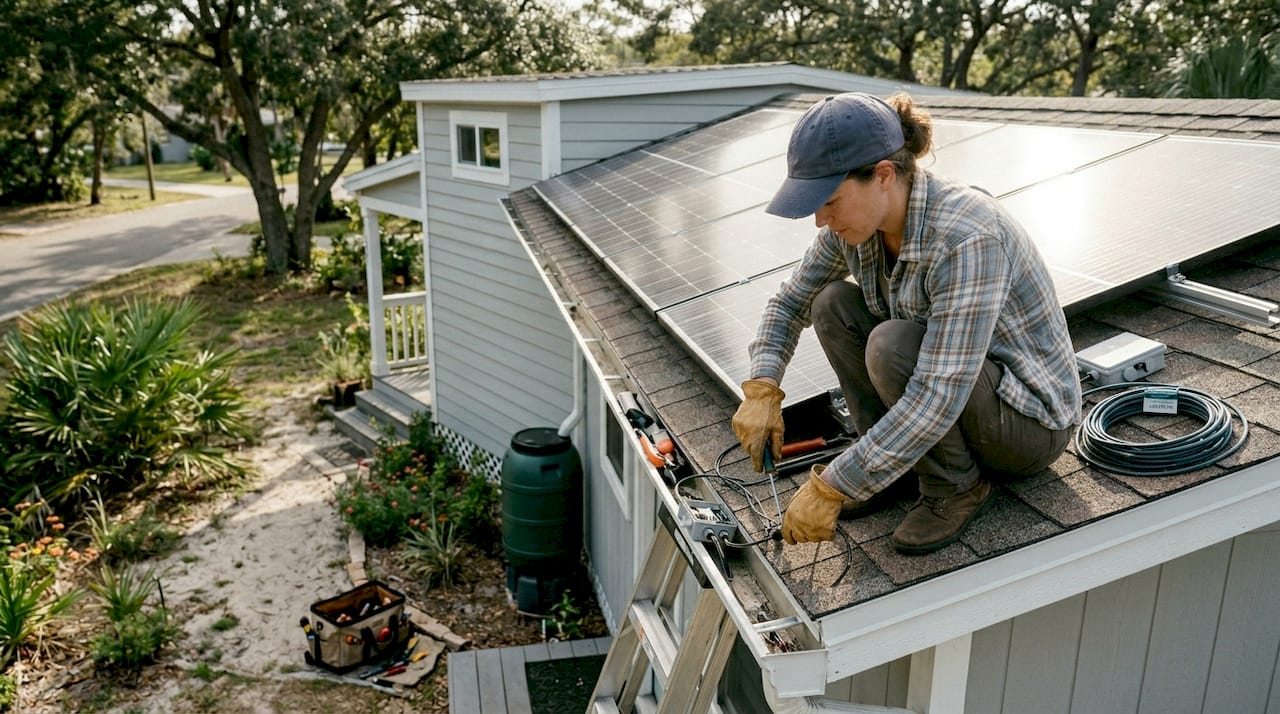
A realistic example: a Florida family adding solar ($8k–$15k) and SIP panels ($5k–$12k) to a $90k park model might spend $110k total. But with $200–$350 in monthly utility savings and reduced insurance costs, that investment often pays back within 5–7 years. After that, those savings go straight into your pocket.
Pro Tip: Choose a builder with specific experience in custom eco features and Florida resilience coding. Certified builders know which upgrades qualify for insurance discounts and which ones improve resale value most. Review eco upgrade costs before finalizing your build spec.
Common pitfalls and how to avoid rookie mistakes
Before finalizing your tiny home journey, learn from real buyer experiences. The mistakes that cost people the most money and time are almost always avoidable with a little preparation.
The most common Florida tiny home pitfalls:
- Skipping the zoning check: Some Florida counties and municipalities still restrict or ban tiny homes outright. This is a deal-killer if discovered after purchase.
- Buying an uncertified home: Non-certified homes often can’t be financed or insured, leaving you stuck with a cash-only asset.
- Underestimating flood zone requirements: Many Florida properties sit in FEMA flood zones, which require elevated foundations and add to your site prep costs.
- Assuming THOWs work for full-time living everywhere: Many RV parks and communities limit how long you can stay, which matters if this is your primary residence.
- Ignoring family-specific needs: Families downsizing need to plan for storage, loft safety for children, and proximity to schools before committing.
Vetting your builder properly is non-negotiable. Ask for their Florida contractor license number, proof of RVIA certification if applicable, and references from completed Florida projects. Review all code tips and confirm that your builder provides full compliance documentation at closing.
Pro Tip: Always check your target land parcel’s flood risk and elevation requirements before signing a purchase contract. A $10k elevation requirement can appear out of nowhere if you skip this step, and flood insurance costs can significantly affect your monthly budget.
Expert perspective: What most guides miss about tiny home buying in Florida
Most articles make the buying process sound straightforward. In practice, Florida’s zoning landscape is genuinely fragmented. What’s allowed in one county may be prohibited two miles away in the next. Buyers who treat zoning as a checkbox rather than a research project often face expensive delays or outright rejections.
There’s also a tendency to chase the lowest price. A $40k uncertified build might seem like a win until you realize it can’t be financed, insured, or resold easily. The real savings come from choosing a certified, hurricane-ready builder who knows Florida’s code strategies inside and out.
Community placement simplifies zoning, but it limits your customization options and future mobility. Permanent foundations open up better financing and stronger resale value, but you’re committing to a specific location. Neither is universally better. The right answer depends on your five-year plan, not just your current excitement.
Finally, plan for what comes after move-in: insurance coverage, emergency prep for storm season, and eventual resale. Buyers who think through those details early end up with homes that serve them well for decades.
Custom solutions and next steps with Ecolife Homes
If you’re ready to move forward, here’s how Ecolife can simplify your buying experience. At Ecolife Homes, we design and manufacture premium steel park model tiny homes right here in Florida, with over 21 years of combined expertise in civil engineering and home construction. Every model is fully customizable, code-compliant, and built for Florida’s climate.
From permitting to final installation, we handle the entire process so you don’t have to navigate it alone. Whether you’re drawn to a cozy personal retreat or a stylish vacation rental, we have options that fit your vision and your budget. Explore tiny home options to browse our current models, or visit our eco-friendly designs gallery to see what’s possible. Reach out today for a free consultation and let’s build something worth coming home to.
Frequently asked questions
What permits do I need for a tiny home in Florida?
You need local zoning approval, site prep and utility permits, and Florida Building Code compliance under Appendix Q for permanent homes. Park models placed in RV communities require county or park-level approval instead.
Can I finance a tiny home in Florida like a regular house?
Permanent foundation homes may qualify for FHA or VA loans, but park models use RV or personal loans with different terms and typically higher interest rates.
How much does it cost all in to buy a tiny home in Florida?
Most buyers spend $70,000–$150,000 all in, covering the home, land, delivery, site prep, and utility connections, with premium eco features adding to that total.
Do eco-friendly upgrades save money over time?
Yes. Options like solar and SIPs add upfront cost but can save $100–$400 per month on utilities and insurance, often paying back within five to seven years.
Can a family live full-time in a park model tiny home in Florida?
Full-time living is possible, but you must plan for storage and loft safety and confirm that your community or zoning designation allows permanent residency.
Recommended
- How to Buy a Tiny Home in Florida: Step-by-Step Guide – Ecolife Homes – Park Model Home Manufacturer – Florida – USA
- Tiny Homes for Sale in Florida – Ecolife Homes – Park Model Home Manufacturer – Florida – USA
- Eco home construction process guide for Florida tiny homes
- Tiny home pricing factors in Florida for first-time buyers