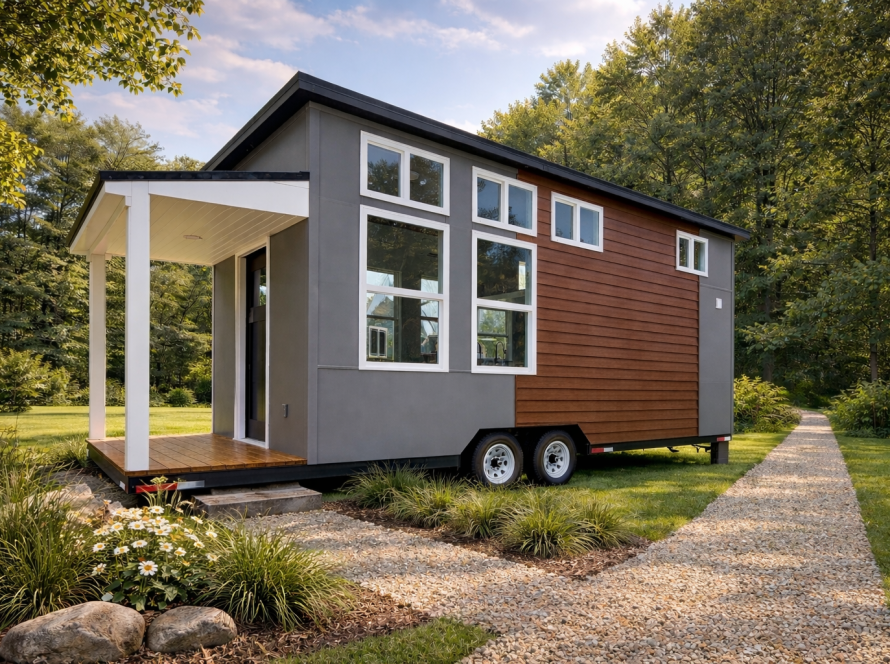
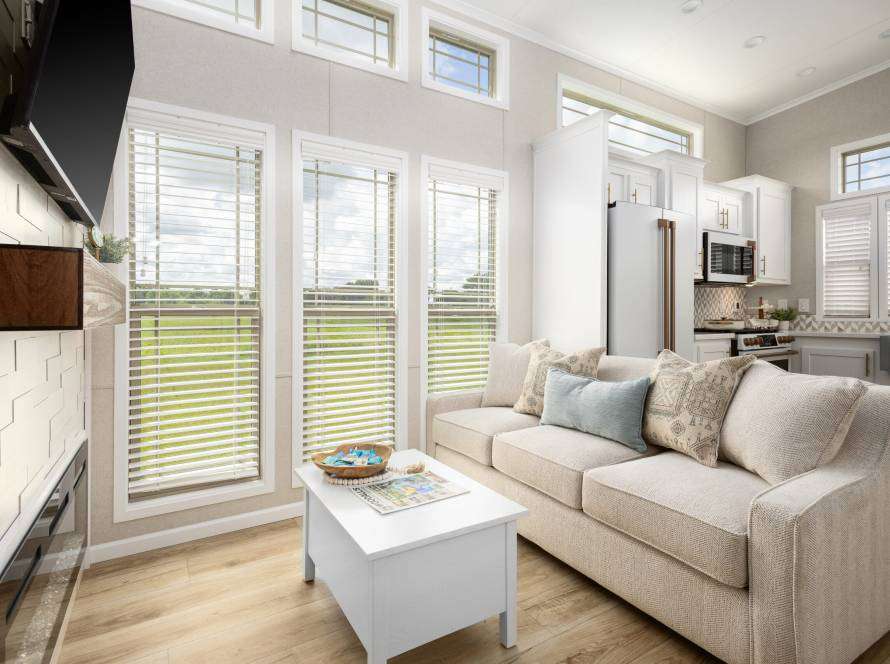
Park model home vs tiny home: which fits you?
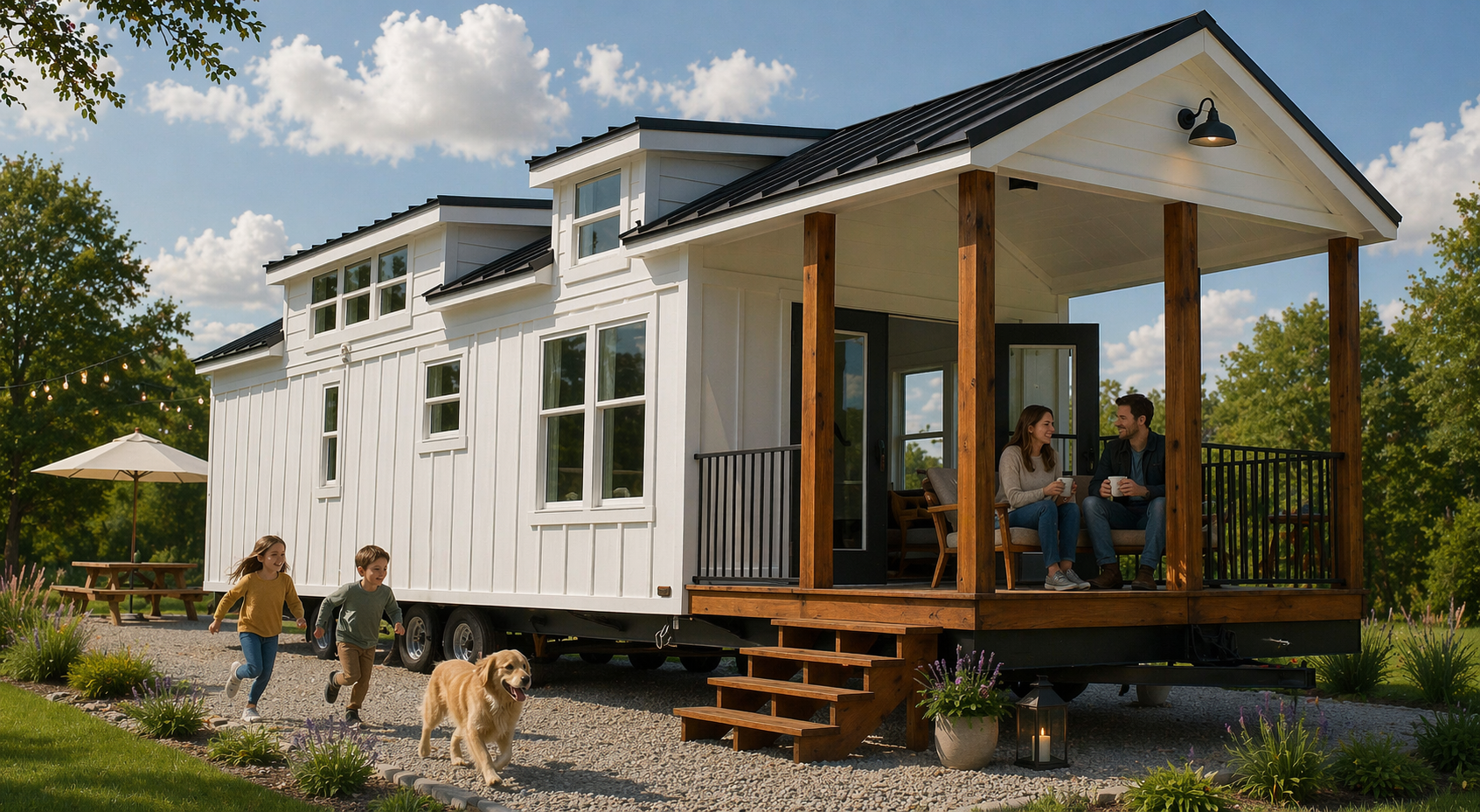
Park model homes are semi-permanent, built to ANSI standards, and resemble small houses, while tiny homes are more flexible and mobile. Tiny homes generally cost less upfront but may face more complex zoning, whereas park models offer better resale value and stability. Choice depends on priorities like mobility, budget, zoning laws, and customization preferences.
Small homes come in more shapes than most buyers realize. If you’ve been exploring affordable housing options, you’ve probably seen the terms “park model home” and “tiny home” used almost interchangeably. They’re not the same thing, and mixing them up can lead to real surprises down the road, from unexpected zoning issues to budget gaps. Understanding the actual differences between these two housing types helps you make a confident, informed choice. This guide walks you through costs, customization, mobility, regulations, and lifestyle factors so you can figure out which option genuinely fits your goals.
Key Takeaways
| Point | Details |
|---|---|
| Clear cost differences | Tiny homes can be cheaper upfront but both are much less expensive than traditional homes. |
| Mobility vs permanence | Tiny homes are built for on-the-go living while park model homes offer more stability and comfort. |
| Custom options exist | Both home types can be personalized for style and sustainability depending on your needs. |
| Choose by priorities | The right home depends on your lifestyle preferences, budget, and need for mobility or space. |
What are park model homes and tiny homes?
These two home types share some obvious similarities: both are compact, both cost far less than a traditional house, and both attract buyers who want to simplify their lives. But the design intent, construction standards, and legal classifications are quite different.
A park model home is a factory-built unit that falls under ANSI A119.5 standards, which is the recreational vehicle industry’s code for park model RVs. These homes are typically under 400 square feet and are designed to be semi-permanent. They’re built to look and feel like real homes, often styled as cottages or cabins, with full kitchens, bathrooms, and living areas. Because of their size and setup requirements, park model benefits go well beyond what a typical RV offers.
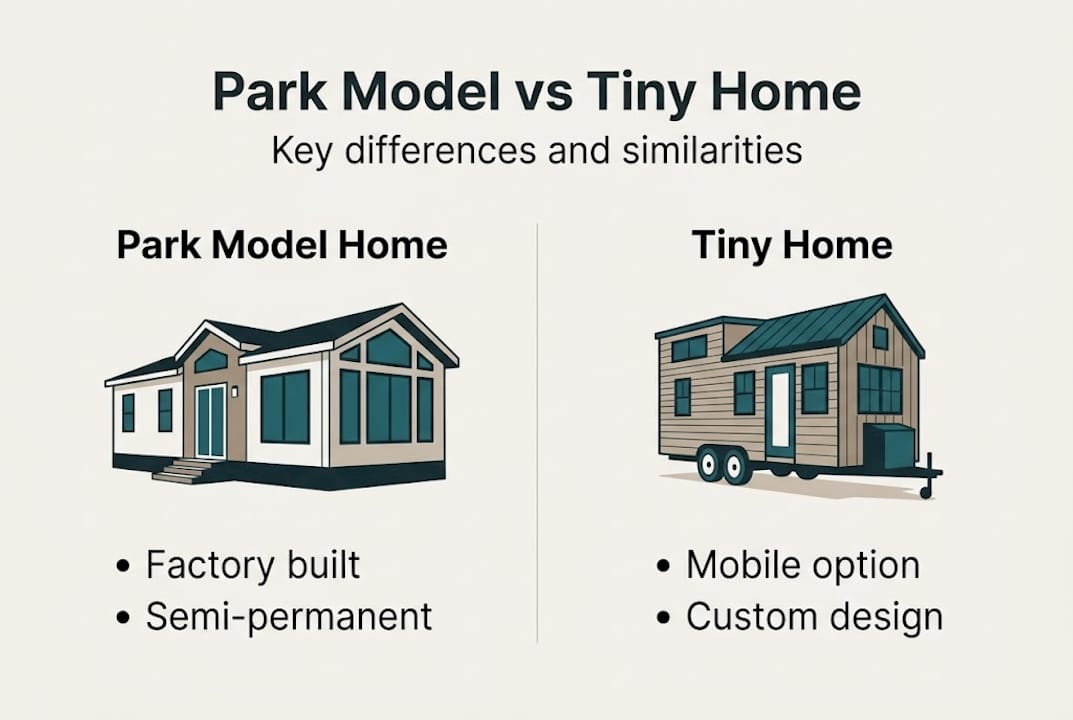
A tiny home, on the other hand, is a broader category. Tiny homes range from about 100 to 400 square feet and can be built on a foundation or on wheels. They’re constructed under various standards depending on the state, the builder, and whether they sit on a permanent foundation or a trailer. This flexibility is appealing but also creates more variability in quality and legal standing.
Here’s a quick breakdown of the key feature differences:
- Size: Park models max out near 400 sq. ft. by code; tiny homes vary widely
- Foundation: Park models are usually semi-permanent on a site; tiny homes can be on wheels or a foundation
- Intended use: Park models are designed for extended or full-time living; tiny homes range from vacation use to permanent residence
- Standards: Park models follow ANSI A119.5; tiny homes may follow IRC, HUD, or state-specific codes
- Typical setup: Park models are placed in RV parks, resorts, or private land; tiny homes can go in more varied locations depending on local zoning
One common misconception is that park models are just fancy RVs. They’re not. They’re built with residential-grade materials and designed for comfort over mobility. Another misconception is that tiny homes are always DIY projects. Many are professionally built to high standards, and the park model home advantages often include factory-level quality control that DIY builds can’t always match.
As a point of comparison, both options are far more affordable than traditional American homes, which is a major reason buyers are drawn to them.
Pro Tip: Always check which certification standard a home is built to before purchasing. ANSI A119.5 certification affects your ability to get insurance, place the home legally, and qualify for financing.
Cost comparison: Park model home vs tiny home
With the basics in place, let’s see how the price actually shakes out.
Upfront cost is often the first number buyers look at, but it’s rarely the whole story. Here’s a side-by-side comparison:
| Feature | Park model home | Tiny home |
|---|---|---|
| Price range | $45,000 to $150,000 | $30,000 to $130,000 |
| DIY option | Limited | Yes, common |
| Average site setup cost | $5,000 to $20,000 | $2,000 to $15,000 |
| Monthly site or lot fee | $300 to $900 | Varies widely |
| Resale value | Moderate, stable | Variable |
| Financing availability | Moderate | Limited |
According to housing cost data, park models range from $45,000 to $150,000 and tiny homes from $30,000 to $130,000, with DIY builds going even lower. Both are a fraction of the $420,000-plus average for a traditional American home.
There are three layers of cost every buyer should think through:
- Upfront cost: The purchase price of the unit itself, plus delivery and installation. Park models typically cost more upfront because of factory construction quality and compliance standards.
- Ongoing costs: Site or lot rental fees, utility hookups, insurance, and maintenance. These can add $500 to $1,500 per month depending on your location and setup.
- Resale value: Park models tend to hold value better because they’re built to recognized standards and are harder to replicate cheaply. Tiny homes, especially DIY builds, can vary widely in resale appeal.
Buyers often overlook what we call “hidden costs.” These include permits, foundation prep, utility connection fees, and in some states, annual registration fees for homes on wheels. Exploring park model price alternatives can help you see what’s actually included in different purchase packages.
DIY tiny home builds can bring costs down significantly, sometimes under $30,000, but they require time, skill, and careful attention to code compliance. Factory-built park models remove that uncertainty. If you want to understand how factory construction affects your budget, factory-built homes save 10 to 60 percent compared to traditional construction methods.
Mobility, setup, and where you can live
Finances aside, let’s explore how these homes fit into real life and actual locations.
One of the biggest selling points of tiny homes is mobility. A tiny home on wheels (THOW) can technically be moved from one location to another, which sounds like freedom. In practice, though, moving a tiny home requires a truck with the right towing capacity, advance planning for utilities, and navigating zoning rules at every new destination.
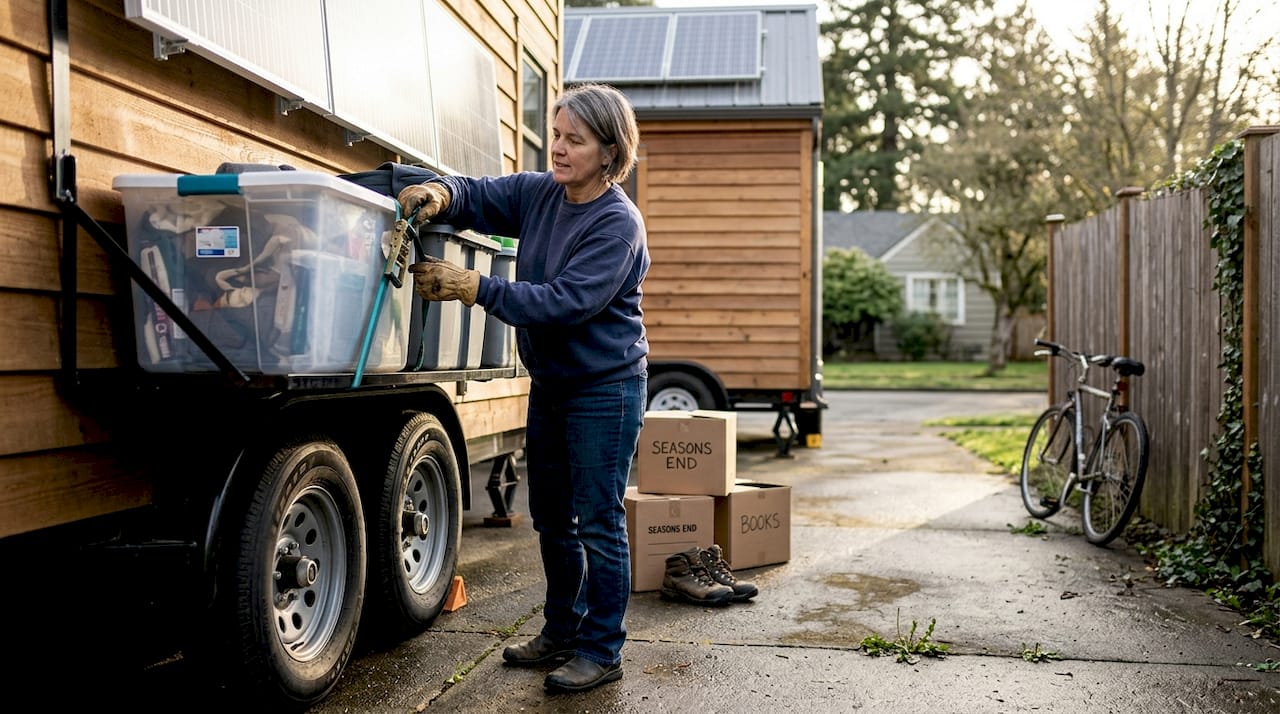
Park model homes are semi-permanent. Once placed and connected to utilities, they’re designed to stay put. This isn’t a limitation so much as a feature. Most buyers who choose park models want a stable, comfortable home base, not a mobile lifestyle.
Here’s where each type can legally be placed:
- Park model homes: Licensed RV parks and resorts, private land (with proper permits), tiny home communities, and some manufactured home parks
- Tiny homes on wheels: RV parks, some campgrounds, private land (zoning dependent), tiny home villages
- Tiny homes on foundations: Residential lots (where ADU or tiny home zoning is permitted), backyard accessory dwelling units
The legal landscape for tiny homes vs park models is one of the most important factors to research before you buy. Zoning laws vary enormously by county and city. Some areas welcome tiny homes with open arms; others have minimum square footage requirements that rule them out entirely.
Pro Tip: Mobility sounds appealing on paper, but the practical reality of moving a tiny home often means most owners stay in one spot for years. If you’re not planning to move frequently, a park model’s stability and comfort may serve you better.
Understanding park model regulations in your state before committing to a site is always a smart move. As the data confirms, legal site options and mobility differ greatly between these two home types, and those differences shape your daily life more than most buyers expect.
Customization, sustainability, and lifestyle factors
You’ve seen where you might live. Now let’s compare how you’d live, day to day.
Both home types offer real opportunities for personalization, but the approach is different. Tiny homes are often praised for being ultra-customizable because many are built from scratch. You can design every inch. Park model homes, particularly those from quality manufacturers, offer curated layouts with a wide range of add-ons and finish options.
| Feature | Park model home | Tiny home |
|---|---|---|
| Layout flexibility | Factory-optimized, add-on options | Fully custom if DIY |
| Green tech options | Solar, insulation upgrades, efficient HVAC | Solar, composting toilets, rainwater systems |
| Interior design options | Wide selection of finishes | Unlimited if self-built |
| Space optimization | Built-in storage, loft options | Highly variable |
| Outdoor living add-ons | Decks, porches, screened rooms | Possible but limited by mobility |
Sustainable choices available to both home types include:
- Solar panel systems
- High-efficiency insulation and windows
- Energy-efficient appliances
- Low-flow water fixtures
- Composting or low-flush toilets
- Reclaimed or recycled building materials
For buyers focused on green living, eco-friendly park models are designed with sustainability built into the manufacturing process, not added as an afterthought. If you want to go deeper into personalizing your layout, customizing park models gives you a clear picture of what’s possible without compromising quality or compliance.
For solo living or couples, both options work well. Pet owners often find park models more comfortable because of the slightly larger footprint and the ability to add a porch or outdoor enclosure. As the data shows, both options offer sustainable and affordable living, but the type of customization and green features vary depending on how the home is built and what the buyer prioritizes.
A surprising benefit of park models that many buyers don’t expect: the factory-built layout often feels more livable than a custom tiny home of the same size because every inch is professionally planned for flow and function.
Our perspective: Why the ‘right’ small home depends on your priorities
After years of working with buyers across the country, we’ve noticed a pattern. Many people fall in love with the idea of a tiny home on wheels, imagining a life of freedom and flexibility. Then they start looking at real zoning laws, real towing costs, and real daily logistics. A lot of them end up choosing a park model instead, not because it’s a compromise, but because it actually fits their real life better.
The dream of mobile minimalism is powerful. But your “must-haves” matter more than the dream. If you need reliable utility hookups, a stable address for work or school, and a home that feels genuinely comfortable, a park model delivers that. If you genuinely plan to move seasonally and can handle the logistics, a tiny home on wheels might be the right call.
What we’d encourage every buyer to do is be honest about three things: your budget (including ongoing costs), your location flexibility, and your comfort threshold. Revisiting those priorities after your first year in a small home is completely normal. Explore your affordable living options with clear eyes, and you’ll make a choice you’re happy with long-term.
Ready to find your affordable small home?
If you’re feeling ready to take your next step, here’s where to go for help you can trust.
At Ecolife Homes, we’ve spent over 21 years helping buyers find the right fit between comfort, budget, and lifestyle. Our park model tiny homes are built in Florida with premium steel construction, fully customizable, and delivered anywhere in the USA.
Whether you want to explore tiny homes or learn about park models in detail, our team is ready to walk you through every option. You can also compare prefab vs traditional construction to see where the real value lies. From design consultation to permits to final installation, we handle it all so you don’t have to figure it out alone.
Frequently asked questions
Are park model homes more affordable than tiny homes?
Both are affordable alternatives to traditional homes, but tiny homes can sometimes cost less, especially with a DIY build. Tiny homes start around $30,000 while park models typically start at $45,000, and both are well below the $420,000-plus average for a traditional American home.
Can you move a park model home like a tiny home on wheels?
Tiny homes on wheels are built for mobility, while park model homes are semi-permanent and require special transport if moved. Park model homes are not designed for regular relocation the way a THOW is.
Which is more eco-friendly: park model home or tiny home?
Both can support sustainable living, but tiny homes often use fewer total materials and can be designed for off-grid use. Park models offer advanced green features as factory-built upgrades. Both provide affordable, sustainable living with different approaches to green design.
What’s the biggest regulation difference between park model and tiny homes?
Park model homes follow ANSI A119.5 or RV codes and must be placed on a compliant site, while tiny home regulations vary significantly by city and county across the USA.
What can you customize more: a tiny home or park model home?
Tiny homes, especially DIY builds, offer more open-ended customization, but park model homes provide curated, professionally optimized layouts with a strong range of add-on features and finish options.
Recommended
- Why Choose a Park Model Tiny Home? – Ecolife Homes – Park Model Home Manufacturer – Florida – USA
- Prefab Tiny Homes vs Traditional Homes: Which Is Better in 2026 – Ecolife Homes – Park Model Home Manufacturer – Florida – USA
- Tiny House on Wheels (THOW) vs. Park Model Tiny Home – Ecolife Homes – Park Model Home Manufacturer – Florida – USA
- Park Model Home Photo Inspiration – Ecolife Homes – Park Model Home Manufacturer – Florida – USA