How to define high-quality housing for tiny home buyers
High-quality housing is defined by safety, sanitation, and structural integrity, not luxury features. Federal standards like HUD’s HQS and NSPIRE set mandatory safety and habitability benchmarks. Sustainable materials and proper codes ensure durability, efficiency, and long-term value in tiny homes.
Many people assume that high-quality housing is simply a matter of expensive finishes, granite countertops, or designer fixtures. That assumption can lead buyers, especially those exploring tiny homes, to overlook the standards that truly matter. High-quality housing in the USA is defined by safety, sanitation, and structural soundness, not by price tags. Whether you are planning a park model tiny home, a compact vacation retreat, or a permanent residence, understanding these real benchmarks will help you make a smarter, more confident purchase decision.
Table of Contents
- How federal housing standards define quality
- Building codes and quality benchmarks for tiny homes
- Why sustainability matters: Materials and efficiency in high-quality tiny housing
- Balancing affordability and high quality: What buyers should know
- What most buyers miss when defining high-quality housing
- Discover your high-quality tiny home solution
- Frequently asked questions
Key Takeaways
| Point | Details |
|---|---|
| Federal standards matter | Compliance with HQS and NSPIRE is required for any high-quality home, large or tiny. |
| Tiny home codes evolve | Tiny houses have unique codes and buyers should confirm current local regulations and standards. |
| Sustainability adds value | Homes using recycled or eco-friendly materials can save money and lower environmental impacts. |
| Affordability ≠ low quality | Affordable housing must still meet safety and health requirements—never compromise on essentials. |
| Look beyond finishes | High-quality means durability, compliance, and comfort, not just attractive design. |
How federal housing standards define quality
When it comes to housing quality in the United States, two federal frameworks set the foundation: HUD’s Housing Quality Standards (HQS) and the newer National Standards for the Physical Inspection of Real Estate (NSPIRE). These are not optional guidelines. They are the legal baseline every housing unit must meet to be considered safe and habitable.
HUD’s HQS covers 13 inspection areas, including:
- Sanitary facilities (working toilets, sinks, and bathing areas)
- Water supply (safe, adequate, and properly connected)
- Electrical systems (no exposed wiring, working outlets)
- Smoke and carbon monoxide detectors
- Structural integrity of walls, floors, ceilings, and roofs
- Adequate space and security (lockable doors and windows)
- Thermal environment (heating and cooling systems)
NSPIRE, introduced as a modernized replacement, takes a more functional approach. Rather than simply checking boxes, it consolidates standards into three areas: Units, Inside, and Outside. It uses a scoring system that prioritizes health and safety hazards over cosmetic issues. A chipped paint color does not score the same as a broken smoke detector. That shift matters because it focuses inspectors on what actually protects occupants.
“Quality isn’t just about looks; it’s about health, safety, and habitability.”
Here is a quick comparison of the two frameworks:
| Feature | HQS | NSPIRE |
|---|---|---|
| Scope | 13 inspection areas | Units, Inside, Outside |
| Scoring | Pass/fail per category | Weighted scoring system |
| Priority focus | Minimum habitability | Functional safety and health |
| Inspection style | Checklist-based | Risk-based, outcome-focused |
| Application | Assisted housing programs | Broader federal housing |
Both standards apply to any housing receiving federal assistance, but they also set the quality bar that all responsible builders and buyers should reference. Tiny home durability is directly tied to how well a home performs against these criteria.
Pro Tip: Even in affordable or small homes, passing HQS or NSPIRE inspections is non-negotiable for legal occupancy. Always request documentation showing your home meets these benchmarks before signing anything.
Building codes and quality benchmarks for tiny homes
While federal standards set the baseline, specialized codes ensure tiny homes meet high-quality benchmarks that reflect their unique construction and use. Tiny homes face a distinct regulatory landscape depending on whether they sit on a permanent foundation or are built on wheels.
Here are the key codes shaping tiny home quality today:
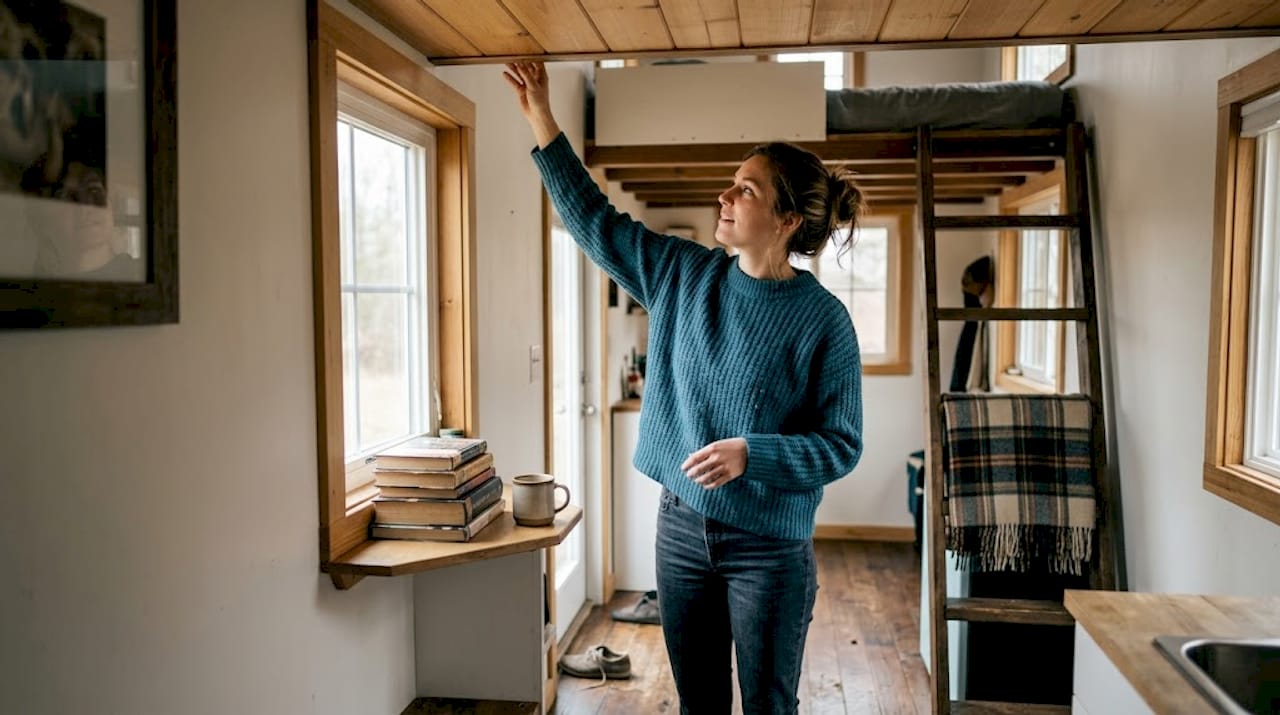
- IRC Appendix Q: The International Residential Code’s Appendix Q addresses tiny homes specifically. It sets a minimum ceiling height of 6 feet 8 inches, establishes loft requirements, and defines egress (escape route) standards to ensure occupants can exit safely in an emergency.
- ASTM WK92954: A newer technical standard for tiny homes addressing structural and frame safety. It fills gaps left by older codes that were written with full-size homes in mind.
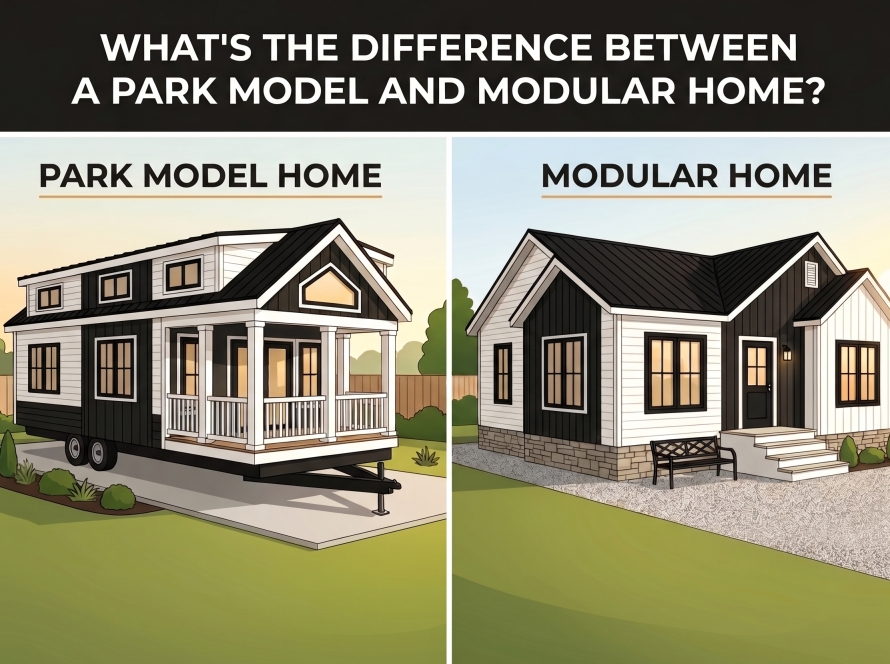
- ICC 1215: The International Code Council’s standard for factory-built housing, which includes many park model and modular tiny homes. It covers structural loading, fire safety, and mechanical systems.
- NFPA 1192: For tiny homes on wheels (THOWs), this standard covers RV-style construction requirements, including electrical, plumbing, and gas systems.
| Standard | Applies to | Key focus |
|---|---|---|
| IRC Appendix Q | Site-built tiny homes | Ceiling height, egress, lofts |
| ASTM WK92954 | All tiny home types | Structural and frame safety |
| ICC 1215 | Factory-built/park model | Loading, fire, mechanical |
| NFPA 1192 | Tiny homes on wheels | RV-style systems |
Real-world impact is significant. A home with a ceiling that is too low, a loft without proper egress, or undersized structural members is not just uncomfortable. It is legally non-compliant and potentially dangerous. Modern tiny house design that integrates these codes from the start avoids costly corrections later.
For buyers considering multi-unit or rural projects, USDA design standards add another layer, requiring both safety compliance and environmental siting criteria.
Pro Tip: Codes are evolving fast. Always verify which version of IRC, ASTM, or ICC your state or county has officially adopted before finalizing any tiny home purchase or build. Staying current with tiny home design trends also helps you anticipate upcoming regulatory shifts.
Why sustainability matters: Materials and efficiency in high-quality tiny housing
Beyond codes and safety, the next level of housing quality is achieved through sustainable construction. The materials used in your tiny home directly affect its durability, your monthly utility costs, and its long-term environmental footprint.
Sustainable tiny housing typically includes:
- Recycled or renewable materials: Steel frames made from recycled content, reclaimed wood, and low-VOC (volatile organic compound) finishes that improve indoor air quality
- High-performance insulation: Spray foam, rigid board, or mineral wool that keeps heating and cooling costs low in any climate
- Renewable energy readiness: Pre-wired solar panel connections, battery storage compatibility, and energy-efficient windows and doors
- Water-saving systems: Low-flow fixtures, greywater recycling options, and rainwater collection compatibility
- Durable exterior materials: Fiber cement siding, metal roofing, and treated decking that resist moisture and require minimal maintenance
The numbers back this up. Life cycle assessments of tiny homes show that sustainable construction using recycled steel and earth-based systems can reduce resource consumption by up to 85% and lower carbon footprints by 43 to 53% compared to conventional builds.
That is not just good for the planet. It is good for your wallet. A home built with quality insulation and energy-efficient systems costs less to operate every month. Over a 20-year period, those savings can easily exceed the initial premium paid for sustainable materials.
Pro Tip: Ask any builder for third-party certifications such as Energy Star ratings or life cycle assessment (LCA) results. These documents confirm that sustainability claims are backed by real data, not just marketing language.
Exploring eco-friendly tiny homes gives you a practical starting point for understanding which features deliver the best return on investment. A solid sustainable housing guide can also help you compare options side by side.
Balancing affordability and high quality: What buyers should know
Sustainability and quality are important, but so is ensuring your purchase is actually affordable and safe. These goals are not in conflict. You just need a clear framework for evaluating both at once.
The standard affordability benchmark is spending 30% or less of household income on housing costs. For low-income households, defined as those earning 80% or less of the area median income (AMI), this threshold is especially important. But affordability alone is not enough. A cheap home that fails safety inspections is not a bargain.
Here is how to assess affordable AND high-quality tiny home options:
- Calculate your true budget: Include purchase price, land or lot fees, utility hookups, permits, and ongoing maintenance. Not just the sticker price.
- Verify code compliance upfront: Ask for documentation showing the home meets IRC, HUD, or relevant state standards before you negotiate price.
- Compare total cost of ownership: A slightly higher upfront cost for better insulation or a steel frame often means lower bills and fewer repairs over time.
- Review the builder’s track record: Check for completed builds, customer reviews, and proof of permitting experience in your target state or county.
- Get an independent inspection: Even for new builds, a third-party inspection confirms quality claims and protects your investment.
Things you should never compromise on, regardless of budget:
- Working smoke and carbon monoxide detectors
- Safe electrical wiring and proper grounding
- Adequate ventilation and moisture control
- Structural integrity of the frame and roof
- Legal egress from all sleeping areas
“Quality isn’t about luxury. It’s about livability and peace of mind.”
Comparing prefab vs traditional homes is a useful exercise here. Prefab park model homes often deliver better quality control at lower cost because they are built in controlled factory environments. Learning more about micro homes can also clarify which size and format fits your lifestyle and budget best.
What most buyers miss when defining high-quality housing
After years of working in the tiny home industry, one pattern stands out clearly: most buyers focus on what they can see and overlook what actually keeps a home safe and valuable over time.
Conventional wisdom tells buyers to prioritize finishes, aesthetics, and square footage. Those things are visible and easy to compare. But the homes that hold their value, pass inspections, and stay comfortable for decades are the ones built with proper ventilation, verified structural loading, and tested insulation systems. Surface upgrades fade. Craftsmanship in tiny homes that meets real engineering standards does not.
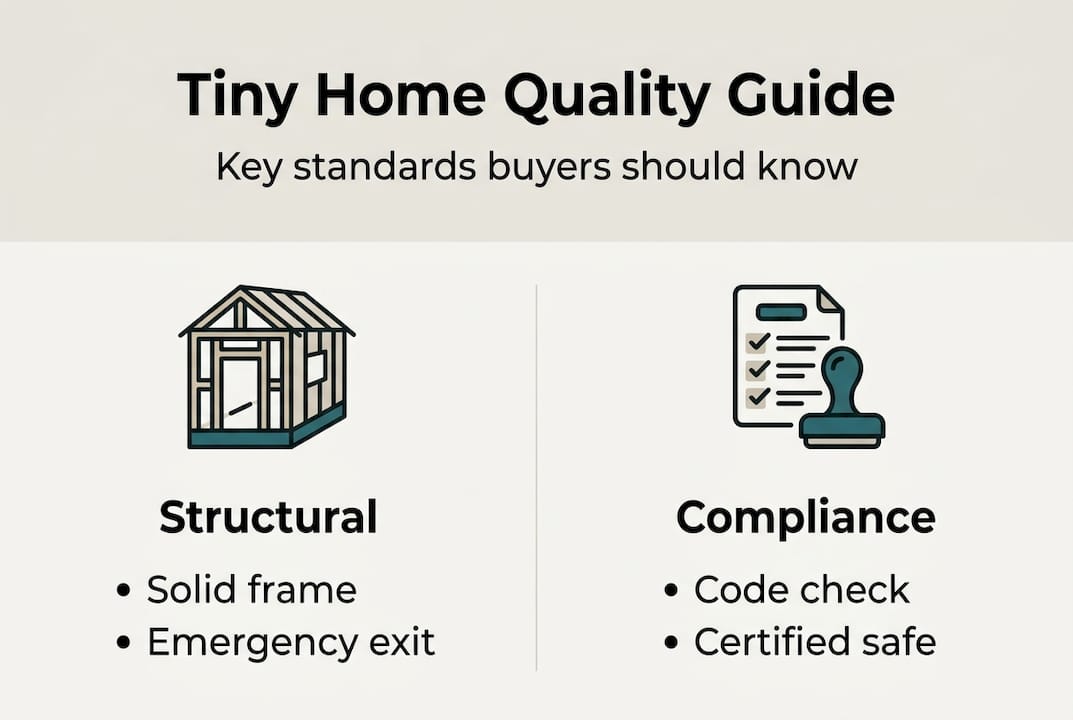
Many buyers also skip regulatory compliance checks because the process feels complicated. That shortcut can become expensive fast. A home that was never properly permitted or does not meet local egress requirements may be impossible to insure, finance, or resell. The operational details, things like how well a home manages moisture, how effectively it ventilates, and whether its frame can handle local wind or snow loads, matter far more long-term than whether the kitchen has quartz countertops.
Choose quality where it genuinely counts: structure, sustainability, and verified standards. Everything else is secondary.
Discover your high-quality tiny home solution
Now that you know what defines high-quality housing, discover how to turn that knowledge into your next home. At Ecolife Homes, every park model tiny home we build is designed to meet or exceed the federal, state, and sustainability standards covered in this article.
We handle everything from permitting to final installation, so you never have to guess whether your home is compliant. Our steel-framed models are built for durability, energy efficiency, and long-term livability. Explore the Tiny Homes Life experience, learn about affordable, flexible living options, or browse our custom eco-friendly designs to find the model that fits your lifestyle and budget. Book a free consultation today and take the first step toward a home built to last.
Frequently asked questions
What is considered high-quality housing in the USA?
High-quality housing in the USA means a home that is safe, sanitary, structurally sound, and meets federal HUD standards like HQS or NSPIRE. These standards apply to all housing types, including tiny homes.
Can tiny homes meet official quality standards?
Yes, tiny homes can meet quality standards if they comply with codes like IRC Appendix Q, ASTM, or ICC, and meet safety and health benchmarks. Compliance with ASTM WK92954 and ICC 1215 is increasingly common among reputable builders.
What does affordable housing mean for tiny homes?
Affordable tiny homes should cost 30% or less of your income on total housing expenses, but they must still be safe and compliant with federal or state codes. Affordability and quality are not mutually exclusive.
Are sustainable materials required for high-quality housing?
Sustainable materials are not legally required, but life cycle assessments show that using recycled steel or earth-based systems can cut carbon footprints by up to 53% and reduce long-term operating costs significantly.
How can I know if a tiny home fulfills all quality standards?
Ask for proof of compliance with HUD, IRC, or regional standards and check for third-party NSPIRE certifications or independent inspection reports. A reputable builder will provide this documentation without hesitation.
Recommended
- Sustainable housing guide: tiny & eco homes in 2026
- How to Buy a Tiny House – Ecolife Homes – Park Model Home Manufacturer – Florida – USA
- Affordable Tiny Homes for Airbnb Investors in 2026 – Ecolife Homes – Park Model Home Manufacturer – Florida – USA
- Tiny home durability: Build a sustainable, long-lasting house