Eco-Friendly Tiny Homes
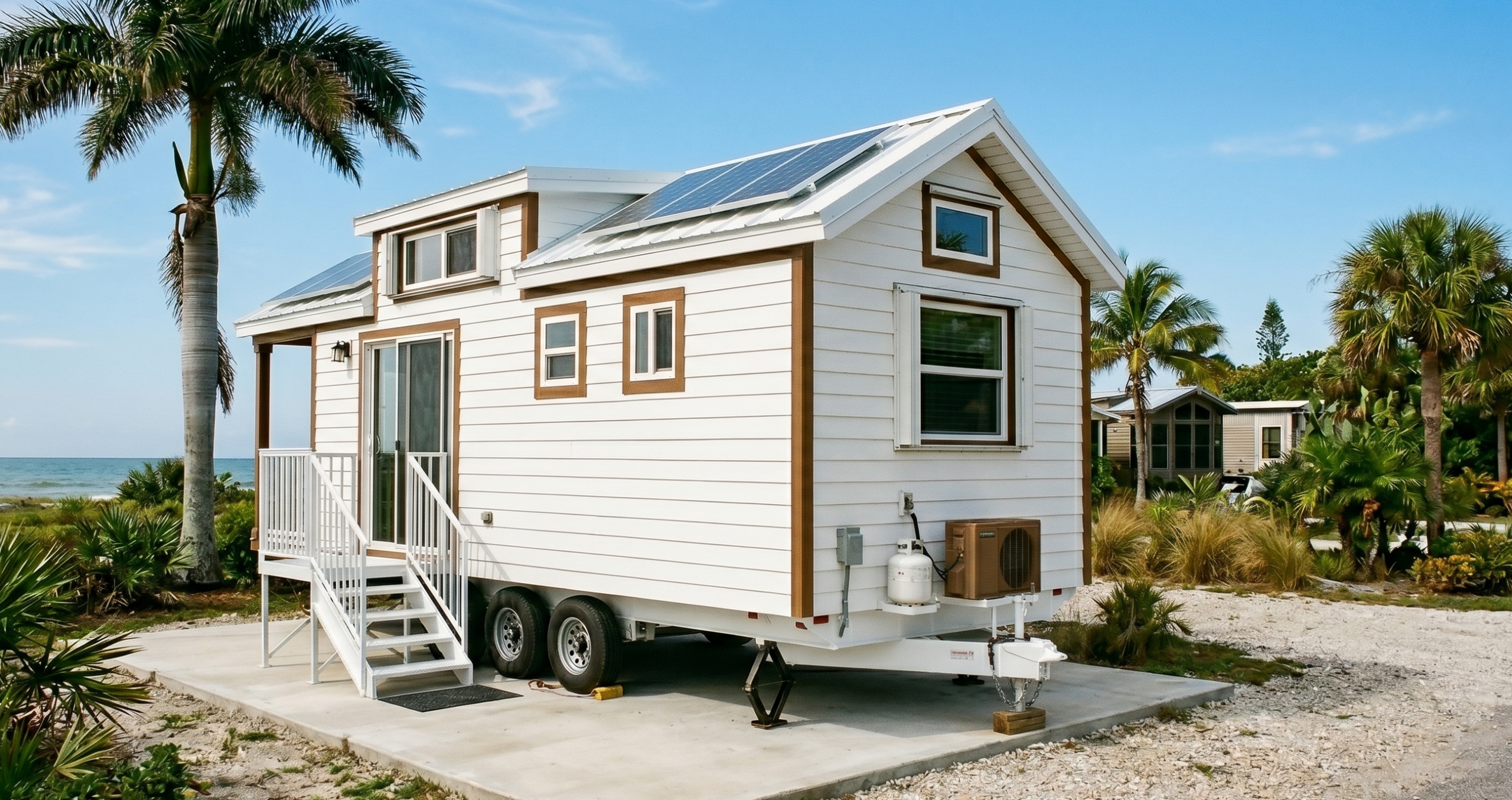
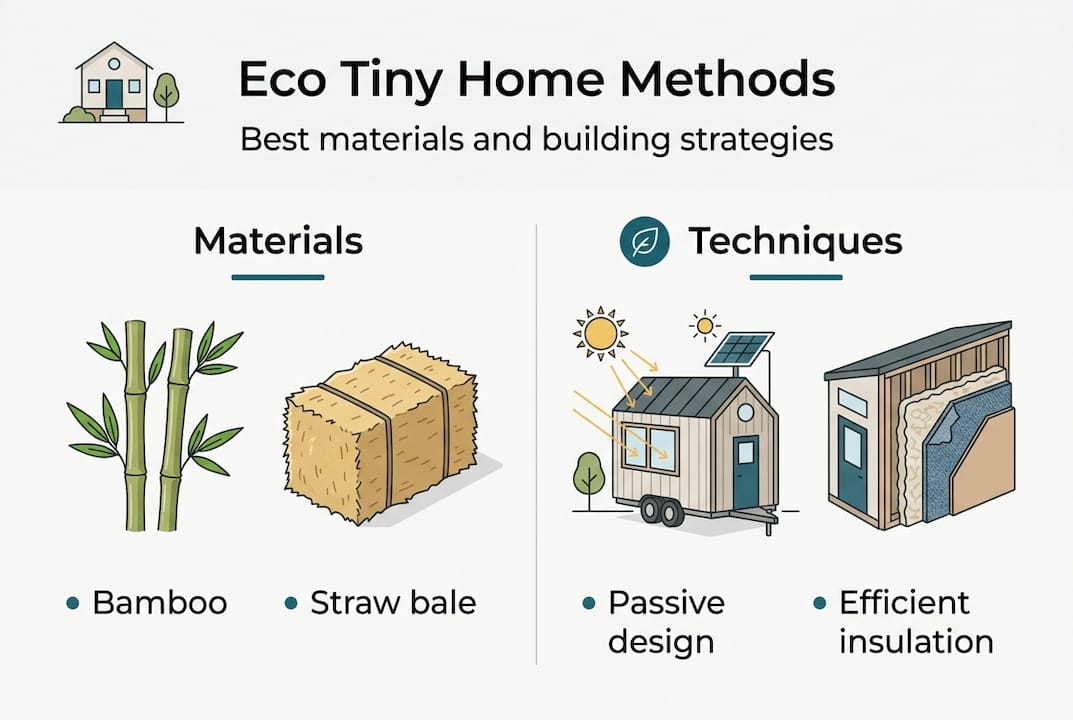
True eco-friendly construction focuses on the entire building lifecycle, minimizing resource use and emissions. Selecting low embodied energy materials like bamboo, straw bale, and reclaimed wood is crucial. Prefab methods and passive design strategies significantly enhance sustainability and reduce waste and energy use.
Most people assume eco-friendly construction means slapping solar panels on a roof and calling it a day. The reality is far more interesting and far more impactful. Traditional building methods generate enormous amounts of construction waste, and the materials used in a home’s walls, floors, and framing often carry a bigger environmental burden than years of energy use. This guide breaks down what sustainable construction actually means, which materials and methods make the most measurable difference, how certifications work, and what any eco-conscious buyer should know before choosing a green home.
Table of Contents
- What defines eco-friendly construction?
- Core materials in sustainable building
- Techniques and design strategies for green building
- How certifications and benchmarks measure green building success
- What most people miss about eco-friendly construction
- Discover affordable, sustainable tiny homes with Ecolife Homes
- Frequently asked questions
Key Takeaways
| Point | Details |
|---|---|
| Material choice matters | Using regionally sourced, renewable materials can drastically lower your home’s environmental impact. |
| Verify real savings | Energy and water reductions depend on actual use, not just certification labels—always check real performance. |
| Prefab is practical | Modular and prefabricated construction methods reduce waste and cost, making green living more accessible. |
| Certification isn’t everything | Focus on effective design and operations, not just green building labels, for the best results. |
What defines eco-friendly construction?
Eco-friendly construction is not a single feature or product. It is a way of thinking about a building’s entire life cycle, from the raw materials extracted to build it, to how it performs on a daily basis, to what happens when it is eventually torn down or repurposed. The core aim is to minimize negative impact on the natural environment while creating healthy, comfortable spaces for the people who live in them.
The key principles that separate green construction from conventional building include:
- Reducing resource consumption: Using less water, less energy, and fewer raw materials during both construction and operation.
- Lowering carbon emissions: Selecting materials and methods that generate fewer greenhouse gases at every stage.
- Improving indoor air quality: Avoiding toxic adhesives, finishes, and insulation materials that off-gas harmful chemicals into the living space.
- Supporting outdoor environmental health: Managing stormwater runoff, preserving native vegetation, and limiting soil disturbance on the building site.
- Building for durability: A home that lasts 100 years is always greener than one that needs replacing in 30.
One of the most persistent myths is that eco-friendly construction simply means energy-saving gadgets, like smart thermostats or LED lighting. While those help, they represent a small slice of a much bigger picture. Green building best practices include using sustainable materials like bamboo, straw bale, hemp, cork, reclaimed wood, FSC-certified timber, bio-based insulation, and low-carbon alternatives such as geopolymers. The material choices made before a single nail is driven are often where the largest environmental gains happen.
For buyers interested in eco-friendly park model tiny homes, this matters a great deal. Smaller homes already use fewer materials by default, but pairing a compact footprint with smart material selection amplifies those benefits significantly. Understanding the eco home construction process helps buyers ask better questions and make choices that align with their actual environmental values, not just marketing language.
It is also worth noting that green construction extends to how you maintain a home over time. Choosing eco-friendly options in home care and cleaning, for instance, protects both indoor air quality and the materials themselves.
Pro Tip: Choosing locally sourced materials can drastically reduce your home’s carbon footprint before the first wall goes up. Transportation emissions are often overlooked but can account for a surprisingly large portion of a material’s total environmental cost.
With a clear definition in hand, the next step is to explore the materials that truly make construction eco-friendly.
Core materials in sustainable building
The materials used to build a home carry what engineers call embodied energy, the total energy consumed to extract, process, transport, and install that material. High embodied energy means a bigger environmental cost upfront. Choosing materials with low embodied energy is one of the most effective moves any builder or buyer can make.
Here is a quick comparison of commonly used sustainable materials:
| Material | Embodied energy | Best use case | Affordability |
|---|---|---|---|
| Straw bale | Very low | Walls, insulation | Very affordable |
| Hempcrete | Low | Walls, insulation | Moderate |
| Bamboo | Low | Structural, flooring | Affordable |
| Reclaimed wood | Very low | Framing, flooring | Variable |
| FSC-certified timber | Low to moderate | Framing, decking | Moderate |
| Geopolymers | Low | Foundations, slabs | Moderate to high |
Green building best practices consistently highlight bamboo, straw bale, hemp, cork, reclaimed wood, FSC-certified timber, and bio-based insulation as leading choices. Each one earns its place for a specific reason.
Bamboo grows back in three to five years compared to decades for most hardwoods. It is strong, flexible, and works well for both structural elements and interior finishes. Straw bale provides exceptional insulation, is a byproduct of grain farming, and costs very little. Hempcrete, made from hemp fibers and lime, is moisture-regulating and naturally pest resistant. Reclaimed wood avoids new harvesting entirely, and FSC-certified timber guarantees responsible forestry practices.
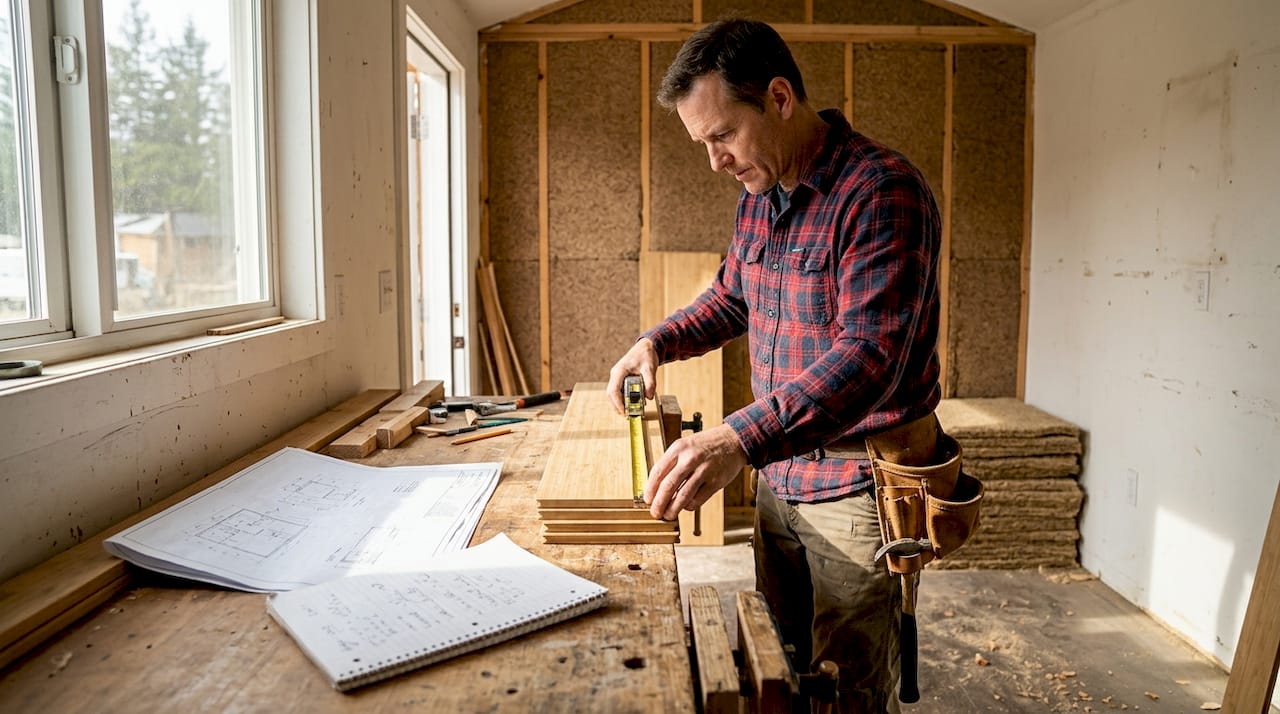
For tiny homes specifically, these materials shine because smaller builds require less of them, making premium sustainable options more financially realistic. A straw bale wall that might price out a large home is easily achievable on a 400-square-foot park model.
There is genuine hype to watch out for, though. Mass timber, for example, can reduce carbon with mass timber by up to 10% compared to conventional framing, but that benefit overlaps heavily with other design decisions and depends on sourcing. The carbon math changes quickly if timber is shipped long distances.
Pro Tip: Prioritize regionally sourced materials whenever possible. Transport emissions matter more than most buyers realize, and sourcing locally also supports regional economies and reduces supply chain vulnerabilities.
Understanding sustainable materials is just the start. Next, we break down the techniques that bring these eco-friendly options to life.
Techniques and design strategies for green building
Choosing the right materials is only half the equation. How a home is actually built, oriented on a site, and equipped determines whether those materials deliver their promised performance or fall short in the real world.
Here is what the most effective green building techniques look like in practice:
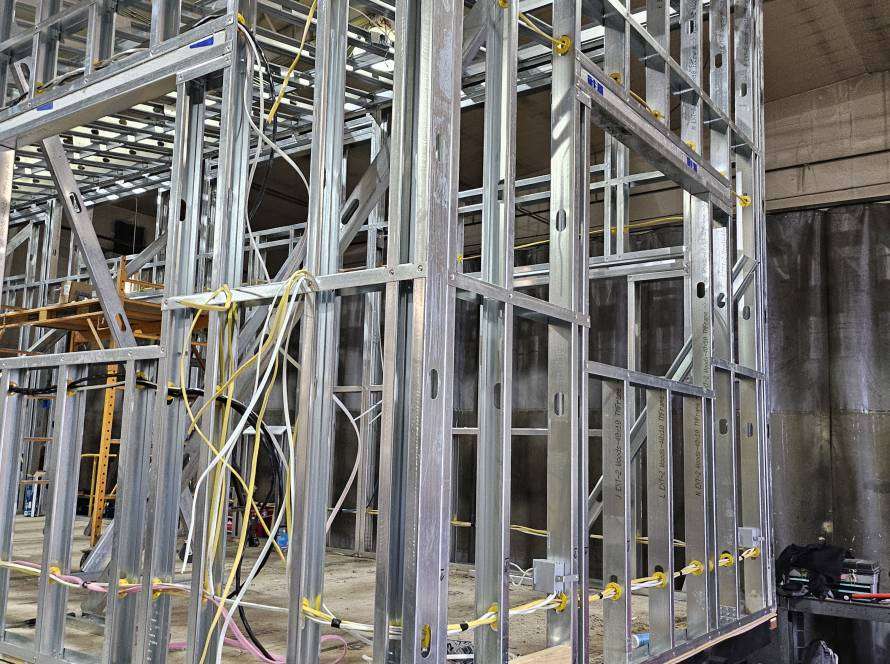
- Modular and prefab construction: Building components in a controlled factory setting and assembling them on site dramatically cuts waste. Modular and prefabricated construction reduces waste by up to 90% compared to traditional site-built methods. Less cutting, fewer off-cuts, and tighter quality control all add up.
- Passive solar design: Orienting a home to capture winter sun and block summer heat through roof overhangs reduces heating and cooling loads without any mechanical equipment.
- Efficient window placement and glazing: Well-placed, double or triple-glazed windows reduce heat loss in cold climates and heat gain in warm ones.
- Greywater and rainwater systems: Capturing rainwater for irrigation and recycling sink or shower water for toilet flushing cuts water consumption significantly.
- Smart HVAC systems: High-efficiency heat pumps and smart thermostats reduce operating energy use by 20 to 40 percent compared to older systems.
- Renewable energy integration: Solar panels and geothermal systems can push a tiny home close to net-zero operation, especially when the home’s load is already small.
Here is a practical comparison between prefab and site-built eco homes:
| Factor | Prefab eco home | Site-built eco home |
|---|---|---|
| Construction waste | Up to 90% less | Standard levels |
| Build time | Faster (weeks vs months) | Slower |
| Cost predictability | High | Variable |
| Design flexibility | Moderate to high | High |
| Site disruption | Minimal | Significant |
| Quality control | Factory-controlled | Weather dependent |
For buyers considering custom green modular housing, prefab methods offer a compelling combination of environmental performance and predictable pricing. That said, even the best-designed green home can underperform if occupant behavior and operational patterns are not monitored. Research shows performance gaps of 20 to 35% between energy models and actual energy use in certified buildings, driven largely by how people actually live in and use their homes.
“Design stats and energy models are a starting point, not a guarantee. What a home actually consumes depends on who lives in it and how.”
This is especially important for buyers focused on energy-efficient designs. Asking a builder for post-occupancy data from similar completed homes is far more reliable than trusting projected savings alone.
Pro Tip: Always verify post-occupancy performance before making a purchase decision. Ask for real utility bill data from comparable completed homes, not just design-phase energy models.
Now that you know the materials and methods, it is important to measure real-world impact and understand what certifications actually guarantee.
How certifications and benchmarks measure green building success
Green building certifications like LEED (Leadership in Energy and Environmental Design) and BREEAM (Building Research Establishment Environmental Assessment Method) are the most recognized ways to verify that a home meets established environmental standards. But understanding what they actually measure, and what they do not, is essential for any serious buyer.
According to green building certification benchmarks, LEED and BREEAM-certified buildings achieve:
- 20 to 35% energy reduction compared to conventional baselines
- 15 to 40% water savings compared to standard construction
- Measurable improvements in indoor air quality and occupant comfort
These are meaningful numbers. For a homeowner looking to cut utility bills and reduce environmental impact, they represent real, tangible benefits. Certified homes also tend to command rental premiums of 2 to 15%, and operation savings of 10 to 30% over conventional equivalents are common. Those returns can offset the higher upfront costs, which typically run 1 to 8% above standard construction.
However, certifications have real limitations. Research shows that LEED-certified buildings in the bottom quartile of performance actually consume 28% more energy than their design predicted. That is not a small gap. It reflects the fact that certification is based on design intent, not operational verification.
For buyers of rural properties or tiny homes, the picture gets more complicated. Many certification pathways were designed for commercial buildings or large residential developments, and they do not always translate cleanly to small-footprint or off-grid construction. The standards and documentation requirements can add cost and complexity without delivering proportional benefit.
Some important things to look for when evaluating any types of eco homes and their certifications:
- Does the certification include post-occupancy monitoring or just design review?
- Are the benchmarks based on actual metered performance or modeled projections?
- How does the certification address the specific climate zone where you plan to build?
- Is there independent verification of energy and water performance after move-in?
Understanding what LEED green building standards actually cover helps buyers push past marketing language and ask the questions that matter most. A label on a brochure is not the same as a proven track record.
“Treat certifications as a credibility check, not a performance guarantee. The most important number is what appears on your utility bill after you move in.”
With a realistic look at certification and what benchmarks mean for you, let us connect all these elements to everyday green living and what it means for your future home.
What most people miss about eco-friendly construction
After years of working with eco-conscious buyers, one pattern stands out clearly: most people put far too much weight on certifications and far too little on passive design and material origin. A LEED plaque on a wall is meaningful, but it does not heat or cool your home. Passive solar orientation does.
Green building best practices consistently point to operational verification over design certifications as the true measure of a sustainable home. For tiny home buyers, this matters even more. A smaller home amplifies every design decision, good or bad. Excellent insulation and smart orientation in a 400-square-foot park model home will outperform a poorly operated, certified 2,000-square-foot suburban house every time.
There is also a broader point worth making. Urban retrofits and density projects often deliver more planetary benefit than building a new eco home in a remote rural setting. Travel, infrastructure, and resource access all factor into a home’s real-world impact. This is not an argument against rural tiny homes. It is an argument for thinking holistically about what eco modular homes can accomplish when location, design, and materials are considered together.
The buyers who end up happiest are the ones who ask hard questions early, prioritize passive strategies and local materials, and then verify actual performance after moving in.
Discover affordable, sustainable tiny homes with Ecolife Homes
If everything in this guide resonates with you, the next step is finding a builder who actually walks the talk.
At Ecolife Homes, we design and manufacture premium steel park model tiny homes in Florida, delivering anywhere across the USA. Our homes are built with sustainable methods, fully customizable, and backed by over 21 years of combined expertise in civil engineering and construction. Whether you are ready to explore affordable tiny homes or want to work through the details in our tiny and eco homes guide, we are here to make the process easy and transparent. Take a look at our eco-friendly tiny home options and find the model that fits your lifestyle and values.
Frequently asked questions
What are the best materials for building an eco-friendly tiny home?
Bamboo, straw bale, hemp, reclaimed wood, and FSC-certified timber are top choices because of their low embodied energy and renewability, making them well-suited to small-footprint construction where every material decision counts.
How much can eco-friendly construction reduce energy costs?
LEED and BREEAM-certified homes typically achieve 20 to 35% energy reduction and 15 to 40% water savings compared to conventional builds, though actual results depend on how the home is used and where it is located.
Is it worth getting a green building certification for a tiny home?
Certifications can improve resale value and open financing options, but LEED performance gaps show that labeled homes do not always deliver promised efficiencies, making independent post-occupancy energy verification essential.
Which construction method is most sustainable for affordable homes?
Prefab and modular construction leads the field, with waste reduction of up to 90% compared to site-built methods, along with faster build times and more predictable costs that make eco-friendly housing genuinely accessible.
Recommended
- Sustainable housing guide: tiny & eco homes in 2026
- Eco-Friendly Park Model Tiny Homes – Ecolife Homes – Park Model Home Manufacturer – Florida – USA
- Top tiny home design trends shaping sustainable living
- Eco home construction process guide for Florida tiny homes