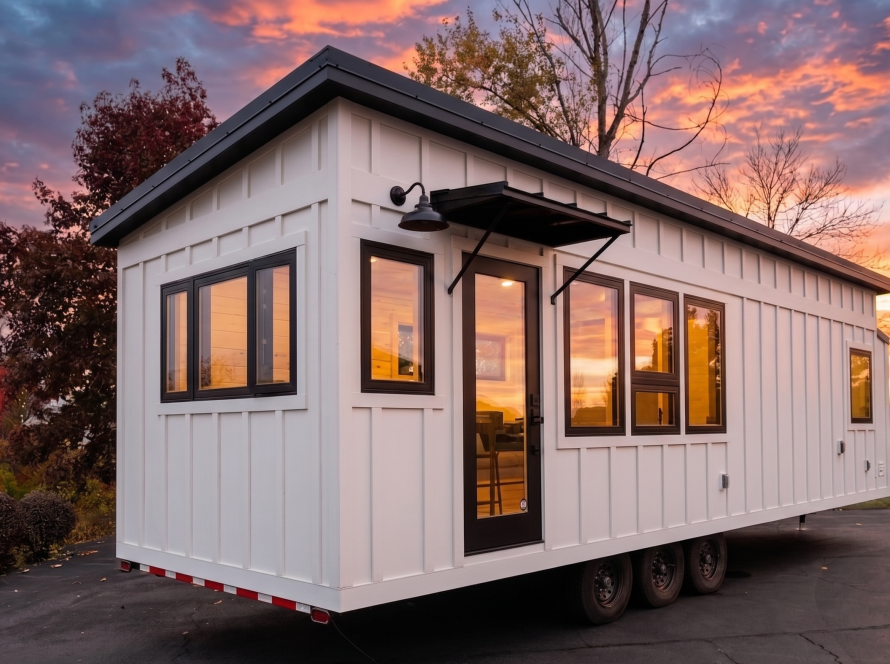
How Many People in the U.S. Live in Park Model Tiny Homes?
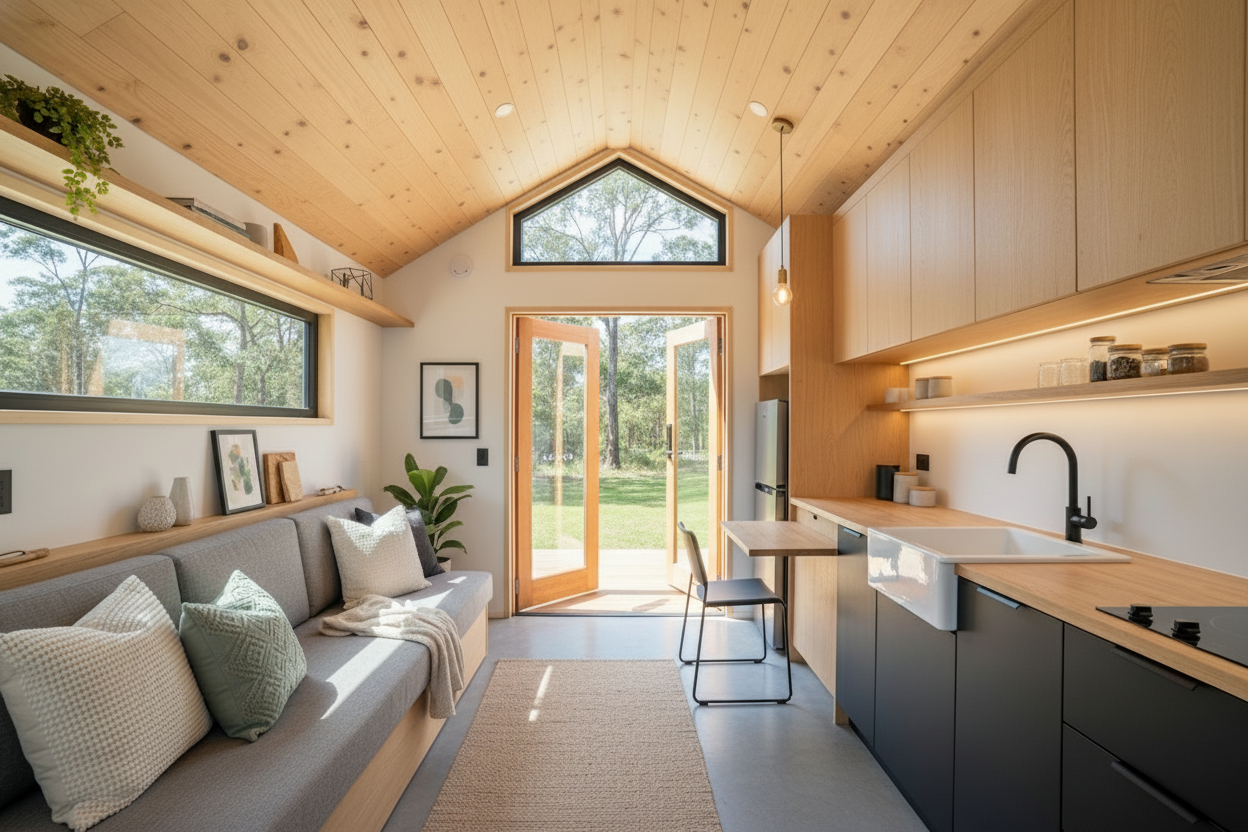
The tiny-home movement has gained enormous attention over the past decade — especially among minimalists, retirees, digital nomads, real-estate investors, and young professionals seeking financial freedom. But one specific question frequently arises:
How many people in the United States are actually living full-time in Park Model Tiny Homes?
While there is no official government census category exclusively for park model residents, a realistic and research-based estimate suggests that:
Approximately 20,000–60,000 people in the U.S. are currently living full-time in Park Model Tiny Homes.
Let’s explore how we arrive at this number — and what it reveals about the future of this lifestyle.
Why the Exact Number Is Hard to Measure
Park Models fall into a unique classification space. Depending on the state and usage, they may be legally categorized as:
- recreational vehicles (RV)
- manufactured housing
- seasonal or vacation residences
- accessory dwelling units (ADUs)
- temporary structures
- mobile residences
This means they are not consistently counted by traditional housing surveys or census records.
In many cases, people living in Park Models do so in:
- private land behind a house
- designated tiny-home communities
- RV parks
- rural land parcels
- lakeside or vacation areas
- privately leased spaces
Some jurisdictions don’t even require formal habitation registration, making tracking even more complex.
Estimating the Resident Population: 20,000–60,000 People
To arrive at our estimated range, we consider:
1. Annual Park Model production
Only a few thousand new Park Model units are manufactured each year.
2. Historical accumulation
Over the past 10–15 years, this builds a national inventory likely between 40,000–80,000 units.
3. Usage type
Not all Park Models are primary residences. Some are used as:
- vacation homes
- weekend retreats
- guest houses
- rental properties
- seasonal homes
We estimate around 30–50% of Park Models are occupied full-time.
4. Average household size
A typical Park Model household consists of 1.5–2 people (mostly singles or couples).
This yields a reasonable residential estimate of:
20,000 – 60,000 full-time Park Model residents.
Who Typically Lives in Park Model Tiny Homes?
Common profiles include:
- retirees looking to downsize
- young couples seeking affordability
- remote professionals working from home
- minimalists embracing a smaller lifestyle
- real-estate investors using Park Models as STR properties
- seasonal workers
- snowbirds (winter residents)
- people seeking debt-free living
Interestingly, the demographic is not primarily low-income. Many Park Model homeowners value:
- flexibility
- financial freedom
- reduced living costs
- improved quality of life
- less clutter
- simplified living
The Movement Is Growing — Rapidly
Even though Park Model residents represent only a small fraction of the U.S. population, the growth trend is unmistakable.
More cities are revising zoning laws.
More RV parks are becoming Park Model-friendly.
More investment groups are building tiny-home rental communities.
More Americans are open to living small — according to surveys, over 70% would consider tiny-home living.
This means the Park Model population is expected to expand dramatically over the next 5–10 years.
Why This Matters for Investors and Developers
The current number being only tens of thousands, not millions, is actually a strategic advantage.
It means the market is:
- underserved
- early-stage
- niche
- unsaturated
- high-potential
Investors entering now can:
- acquire land cheaply
- secure zoning approvals sooner
- establish early market presence
- build rental clusters before competition grows
- earn strong returns via Airbnb or long-term rentals
While we cannot pinpoint an exact census figure, the best available analysis indicates that between 20,000 and 60,000 Americans currently live full-time in Park Model Tiny Homes — and this number is rising every year.
Park Model living represents more than a housing choice:
It is a shift in the way people view space, ownership, freedom, and lifestyle.