How Much Does a Tiny Home Cost in Florida in 2026?
Full Breakdown with Real Prices
If you’ve been looking into tiny homes in Florida, one of the first questions that comes to mind is simple but important. How much does it actually cost?
The problem is that most answers online are either outdated, too general, or completely unrealistic. You’ll see numbers that sound appealing at first, but they don’t reflect what buyers actually pay once everything is included.
The truth is, tiny home costs in Florida can vary widely depending on the type of home, where you plan to place it, and how you plan to live in it. Some people spend under fifty thousand dollars while others invest well over one hundred fifty thousand.
At ecolifehomes.com, we work with real buyers every day, and this guide is based on real conversations, real budgets, and real outcomes. If you are serious about buying a tiny home in Florida in 2026, this will give you a clear and honest picture.
The Average Cost of a Tiny Home in Florida in 2026
Let’s start with realistic numbers.
In Florida today, most buyers fall into one of these ranges:
Basic tiny home setup between forty thousand and seventy thousand dollars
Mid-range setup between seventy thousand and one hundred twenty thousand dollars
High-end or custom builds between one hundred twenty thousand and two hundred thousand dollars or more
These ranges include the home itself, but what many people don’t realize is that the home is only part of the total cost.
To really understand pricing, you need to break it down step by step.
Cost of the Tiny Home Itself
The structure is your biggest expense, but even here prices vary depending on what you choose.
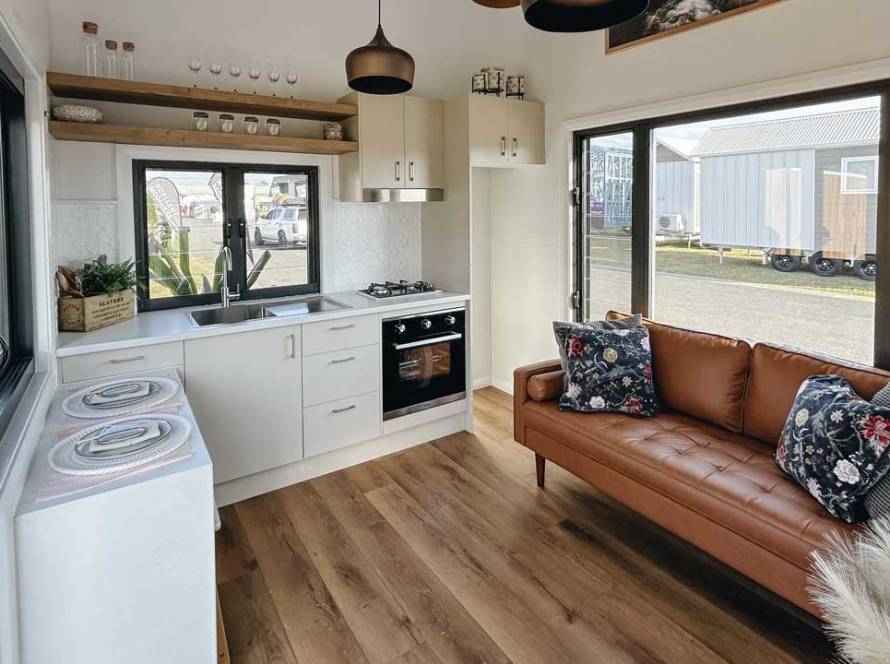
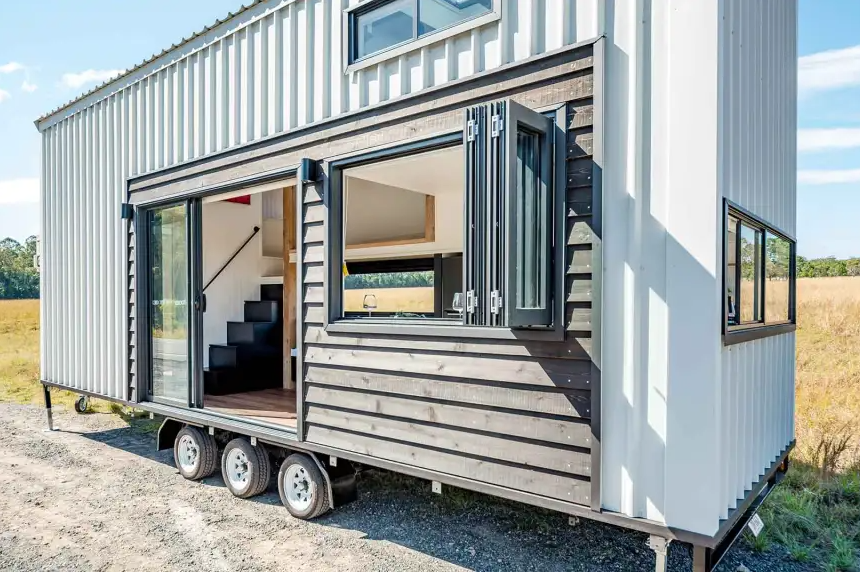
Park model homes, which are very popular in Florida, typically range from sixty thousand to one hundred ten thousand dollars. These are built to ANSI standards and are often the most practical option for full-time living.
Tiny homes on wheels can be slightly cheaper, starting around forty five thousand dollars, but they can also become expensive depending on customization. One challenge with these is that they are sometimes harder to place legally.
Foundation-built tiny homes are usually the most expensive because they must meet Florida Building Code requirements. These often start around one hundred thousand dollars and can go much higher depending on finishes and size.
At ecolifehomes.com, many buyers choose park models because they balance cost, comfort, and easier placement compared to other options.
Land Costs in Florida
Land is where costs can vary dramatically.
In rural parts of Florida, you might find land for fifteen thousand to fifty thousand dollars. These areas give you more flexibility, especially if zoning is favorable.
In suburban areas, land prices usually range from fifty thousand to one hundred fifty thousand dollars depending on location and size.
If you are looking closer to major cities or coastal areas, prices can easily exceed two hundred thousand dollars.
Some buyers avoid land costs altogether by placing their tiny home in a community or RV park. This can reduce upfront expenses but may involve monthly fees.
Choosing the right land strategy is just as important as choosing the right home.
Utility Setup Costs Most People Forget
This is one of the most overlooked parts of the budget.
Even if your tiny home is fully built, you cannot live in it without proper utilities.
Septic systems typically cost between five thousand and fifteen thousand dollars depending on soil and system type.
Well water systems can cost anywhere from four thousand to twelve thousand dollars.
Electrical hookup costs usually range from two thousand to eight thousand dollars depending on distance and complexity.
If you are in a community, some of these costs may already be included, which can simplify the process.
At ecolifehomes.com, we always tell buyers to plan for utilities early because this is where unexpected costs often appear.
Permits and Legal Costs
Permits are another area where prices vary depending on your location and setup.
Basic permit costs can range from one thousand to five thousand dollars.
If you are building on a foundation, you may need full construction permits, inspections, and additional approvals.
Some counties also require impact fees or additional zoning approvals.
These costs are not always high, but they are necessary and should be part of your plan from the beginning.
Delivery and Installation Costs
Getting your tiny home to your land is another expense that is often underestimated.
Delivery costs typically range from two thousand to ten thousand dollars depending on distance and size of the home.
Installation, leveling, and setup can cost an additional two thousand to seven thousand dollars.
If site preparation is needed, such as clearing land or building a foundation pad, costs can increase further.
Working with experienced providers like ecolifehomes.com helps reduce surprises during this stage.
Interior Upgrades and Customization
Many buyers start with a base model and then add upgrades.
These can include better flooring, upgraded kitchens, higher-end bathrooms, built-in storage, and smart home features.
Customization costs can range from five thousand to thirty thousand dollars or more depending on preferences.
While upgrades improve comfort and value, it is important to prioritize what matters most to you instead of overbuilding.
Monthly Living Costs Compared to Regular Homes
One of the biggest advantages of tiny homes is lower monthly expenses.
Utility bills are usually much lower due to smaller space.
Maintenance costs are reduced compared to traditional houses.
Property taxes can be lower depending on how the home is classified.
If placed in a community, you may have monthly lot rent ranging from four hundred to one thousand dollars.
Even with these costs, many people find that tiny home living is significantly more affordable over time.
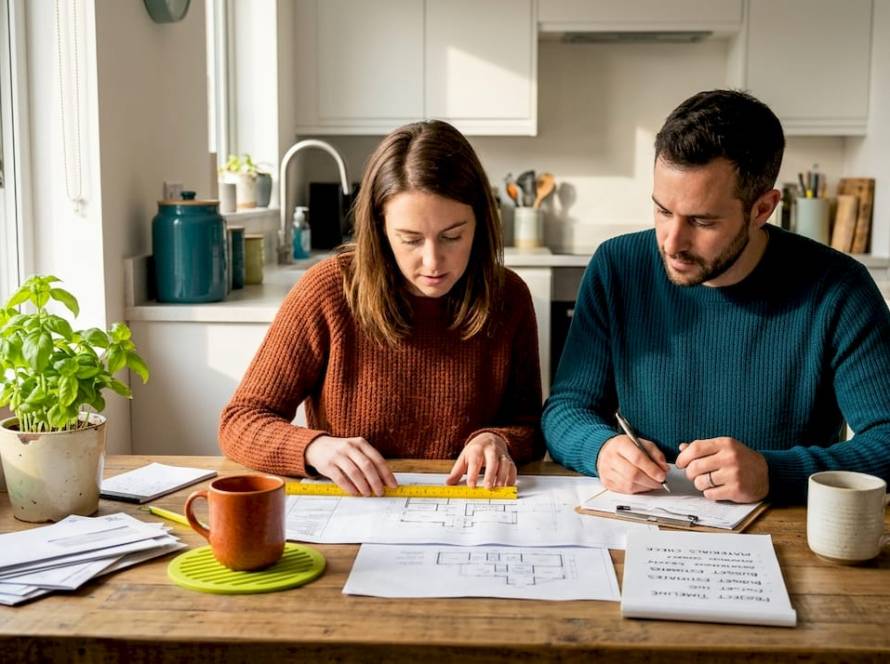
Realistic Total Cost Examples
Let’s put everything together into real scenarios.
A budget-friendly setup might include a sixty thousand dollar park model, twenty thousand dollar land purchase, ten thousand for utilities, and five thousand for setup. This brings the total to around ninety five thousand dollars.
A mid-range setup might include an eighty five thousand dollar home, seventy thousand dollar land, fifteen thousand for utilities, and eight thousand for delivery and setup. This totals around one hundred seventy eight thousand dollars.
A higher-end setup could include a one hundred thirty thousand dollar home, one hundred fifty thousand dollar land, twenty thousand in utilities, and fifteen thousand in additional costs. This brings the total to over three hundred thousand dollars.
These examples show why understanding the full picture matters.
Hidden Costs You Should Always Plan For
There are always a few things that buyers don’t expect.
Site preparation like clearing trees or leveling land
Driveway installation
Insurance costs
Furniture and appliances if not included
Temporary housing during setup
Planning an extra ten to fifteen percent buffer in your budget is always a smart move.
Is a Tiny Home Worth It Financially
For many people, the answer is yes, but it depends on your goals.
If you are looking for a lower cost lifestyle, tiny homes can provide significant savings over time.
If you want flexibility or a second property, they can be a great investment.
If you are focused on long-term appreciation like traditional real estate, results may vary depending on location and setup.
The key is aligning your purchase with your lifestyle and financial plan.
Why Prices Are Changing in 2026
Tiny home prices are not static.
Material costs, labor, and demand all affect pricing.
Florida’s growing population is increasing demand for alternative housing options.
At the same time, more builders are entering the market, which is creating more choices for buyers.
This combination means prices may continue to evolve, but demand is likely to remain strong.
How to Save Money Without Cutting Corners
There are smart ways to reduce costs without sacrificing quality.
Choosing the right location can save tens of thousands of dollars
Keeping your design simple can reduce build costs
Planning utilities early prevents expensive surprises
Working with experienced providers helps avoid costly mistakes
At ecolifehomes.com, we often guide buyers through these decisions so they can get the best value for their investment.
Final Thoughts
The cost of a tiny home in Florida in 2026 is not just about the home itself. It is about the full setup, from land to utilities to legal requirements.
When everything is planned correctly, tiny homes can offer a more affordable, flexible, and enjoyable way of living.
The key is understanding the full cost upfront instead of focusing only on the base price.
At ecolifehomes.com, our goal is not just to provide high quality homes, but to help buyers make informed decisions that work in the real world.
If you are considering a tiny home, take your time, build a clear plan, and make choices that fit your long-term vision.
That is how you turn a simple idea into a smart investment and a lifestyle you actually enjoy.