How One Woman Created a Tiny Home Sanctuary for Solo Agers
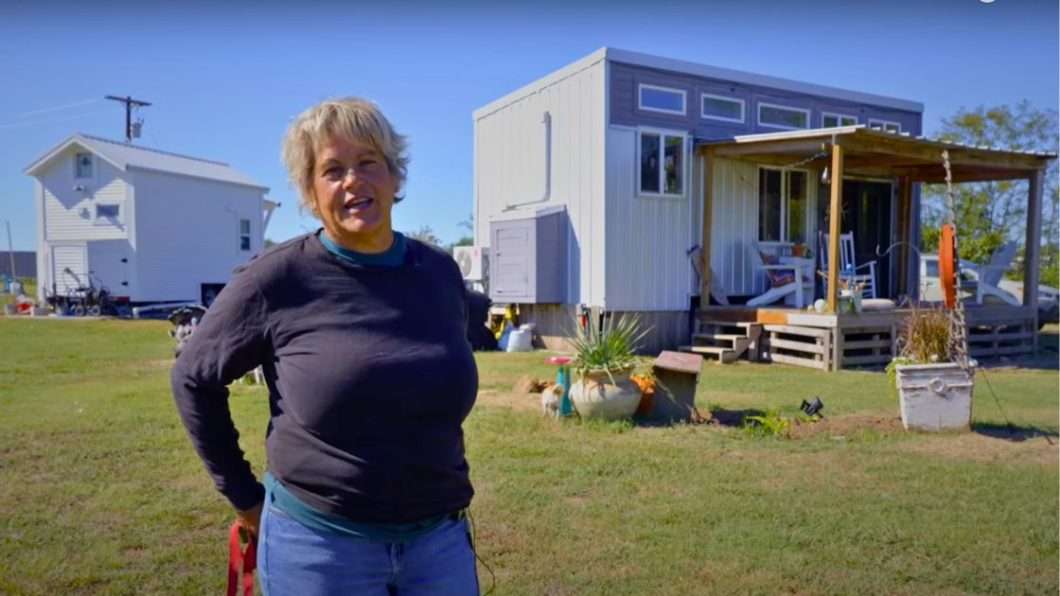
When we think of retirement, we often picture two extremes: staying in a large, quiet family home or moving into an expensive assisted living facility. But Robyn Yerian, a 70-year-old visionary from Texas, decided to write a different story.
By investing $150,000 of her own retirement savings, Yerian created “The Bird’s Nest”—a unique tiny-home community in Cumby, Texas, designed specifically for older women looking for a blend of independence and sisterhood.
The Bird’s Nest: A Tiny Home Community in Texas Offering Affordable Living and Real Connection for Older Women
Across the United States, the search for affordable housing and supportive communities for older adults is becoming more urgent each year. Rising rents, increasing healthcare costs, and the emotional challenges of living alone have pushed many retirees to look for new housing models that combine independence with community support.
In a small town in Texas, one woman decided to create a solution herself.
At age 70, Robyn Yerian used approximately $150,000 of her retirement savings to develop a tiny home community designed specifically for older women. The project is called “The Bird’s Nest,” and it has quickly become a powerful example of how creative housing ideas can provide both affordability and companionship.
Located in Cumby, Texas, about 65 miles northeast of Dallas, The Bird’s Nest offers a unique living arrangement where women in their 60s, 70s, and even 80s can maintain their independence while being surrounded by neighbors who support one another.
What started as a simple idea has now grown into a thriving micro-community that is attracting attention from across the country.
Why Robyn Yerian Created The Bird’s Nest
Like many older Americans, Robyn Yerian noticed a growing problem. Many women reach retirement age living alone. Some have lost spouses. Others simply cannot afford the rising cost of housing on a fixed retirement income.
Traditional retirement communities often come with high monthly costs that can reach thousands of dollars per month. For many retirees, that price is simply not realistic.
Yerian wanted to create something different.
Her vision was simple: a small village where older women could live affordably while staying socially connected and supporting each other in daily life.
Instead of large apartment complexes or expensive retirement facilities, she imagined a cluster of tiny homes placed close enough together to encourage interaction but still private enough to maintain independence.
This idea became The Bird’s Nest Tiny Home Village.
A Tiny Home Village Built on Five Acres
The Bird’s Nest sits on roughly five acres of land in Cumby, Texas. The property was developed with the infrastructure necessary to support small homes, including:
- Internal roads
- Electrical hookups
- Water connections
- Septic systems
The community includes 14 spaces (often called “pads”) where residents can place their tiny homes or RV-style small houses.
Today, about 11 women live in the community, forming a close-knit neighborhood where daily life often includes shared meals, conversations on front porches, and helping neighbors when needed.
Affordable Living for Women on Fixed Incomes
One of the most important aspects of the project is its affordability.
Residents pay approximately $450 per month in rent, which covers the land space and infrastructure connections.
Compared with traditional retirement housing, this cost is dramatically lower. Many retirement communities charge anywhere from $2,000 to $5,000 per month for housing and services.
For women living on Social Security or limited retirement savings, a monthly cost of $450 makes independent living much more achievable.
This affordability is one of the main reasons the project has generated so much interest.
A Community Built on Mutual Support
While affordability is important, the real heart of The Bird’s Nest is the sense of community.
Residents often help each other with everyday needs. Some of the common ways neighbors support one another include:
- Giving rides to doctor appointments
- Helping with grocery errands
- Sharing meals together
- Checking in on neighbors who may need assistance
- Offering emotional support and companionship
Many residents say that living in The Bird’s Nest allows them to maintain their independence without feeling isolated.
Loneliness is a serious issue among older adults. Studies consistently show that social isolation can lead to worse health outcomes and decreased quality of life. Communities like this help solve that problem in a very natural way.
Instead of formal care services, residents create a network of informal support simply by living close together and looking out for one another.
A Simple Housing Model with Huge Interest
Although the idea is simple, the response has been overwhelming.
According to reports, hundreds of women have applied to join the community. In fact, for a single available space, nearly 500 women submitted applications hoping to become residents.
This level of demand highlights a major gap in the housing market for older adults. Many retirees are searching for smaller homes, lower costs, and stronger community connections.
Tiny home villages like The Bird’s Nest offer all three.
Tiny Homes, RVs, and Flexible Living
One interesting aspect of the community is that residents typically bring their own tiny homes or RV-style homes and place them on rented pads.
This approach keeps development costs lower and gives residents flexibility in choosing the type of small home they prefer.
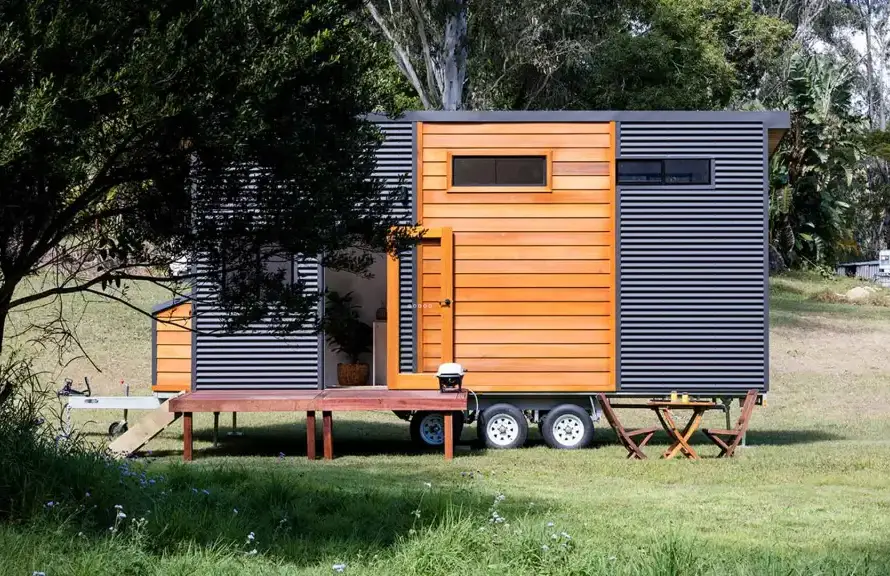
Some residents live in traditional tiny houses, while others use park model homes or RV-based small houses.
This hybrid approach is becoming increasingly common in small housing developments because it allows communities to operate under RV park or similar zoning structures, which are often easier to permit than traditional housing subdivisions.
A Growing Trend in Affordable Housing
The Bird’s Nest is not just a unique local project. It reflects a larger national trend toward smaller, community-focused housing models.
Across the United States, developers and entrepreneurs are exploring ideas such as:
- Tiny home villages
- Park model home communities
- Small cooperative housing developments
- Shared housing arrangements for retirees
These communities focus on lower costs, smaller homes, and stronger social connections, which many retirees now prefer over large houses or expensive retirement complexes.
The popularity of these projects suggests that future housing solutions may look very different from traditional suburban neighborhoods.
Rethinking Retirement Living
For decades, the standard image of retirement living involved large retirement facilities or gated communities.
But projects like The Bird’s Nest are changing that perception.
Instead of isolating older adults in large complexes, these communities offer something simpler and often more meaningful: small homes, close neighbors, and a shared sense of belonging.
The concept is also financially sustainable. With relatively modest land development costs and simple infrastructure, communities like this can be built without massive investments.
This makes them attractive not only to residents but also to developers exploring new housing models.
A Small Village with a Big Impact
What started as a personal project funded with retirement savings has turned into a model that many people across the country are now watching closely.
The Bird’s Nest shows that solving the housing challenges facing older adults does not always require massive government programs or large-scale development projects.
Sometimes, a simple idea and a small piece of land can create a solution that improves lives in powerful ways.
For the women who live there, the community provides something that many retirement options cannot: affordable independence combined with genuine friendship and support.
As housing costs continue to rise across the United States, small communities like this may become an increasingly important part of the future of retirement living.
Why “The Bird’s Nest” is Changing the Game
For many women in their 60s, 70s, and 80s, the “Golden Years” can feel isolating or financially draining. The Bird’s Nest tackles these issues head-on through a model known as co-housing.
Here is why this project is capturing hearts across the globe:
- Radical Affordability: With monthly rents around $450, it provides a lifeline for women living on fixed Social Security or retirement incomes.
- The “Safety Net” Culture: Residents aren’t just neighbors; they are a support system. Whether it’s sharing a meal, giving a ride to a doctor’s appointment, or just checking in after a storm, no one has to face the challenges of aging alone.
- Independence Preserved: Unlike traditional senior living, every woman has her own private tiny home. You keep your autonomy while gaining a backyard full of friends.
A Growing Trend: The Rise of “Solo Agers”
The success of The Bird’s Nest—which has seen a flood of applications—highlights a massive shift in how we view aging. As the “solo ager” population grows, traditional housing often fails to meet their needs.
“It’s about more than just a roof over your head; it’s about having a reason to walk out your front door every morning.”
The Bottom Line
Robyn Yerian’s $150,000 investment did more than build a few small houses; it built a blueprint for the future. It proves that with a little bit of land and a lot of heart, we can create communities that are affordable, sustainable, and—most importantly—deeply connected.
Key Takeaways for Your Future
- Downsizing isn’t a loss; it’s an opportunity to trade “stuff” for “community.”
- Co-housing models are becoming a viable alternative to expensive long-term care.
- It’s never too late to start a project that changes your life and the lives of others.