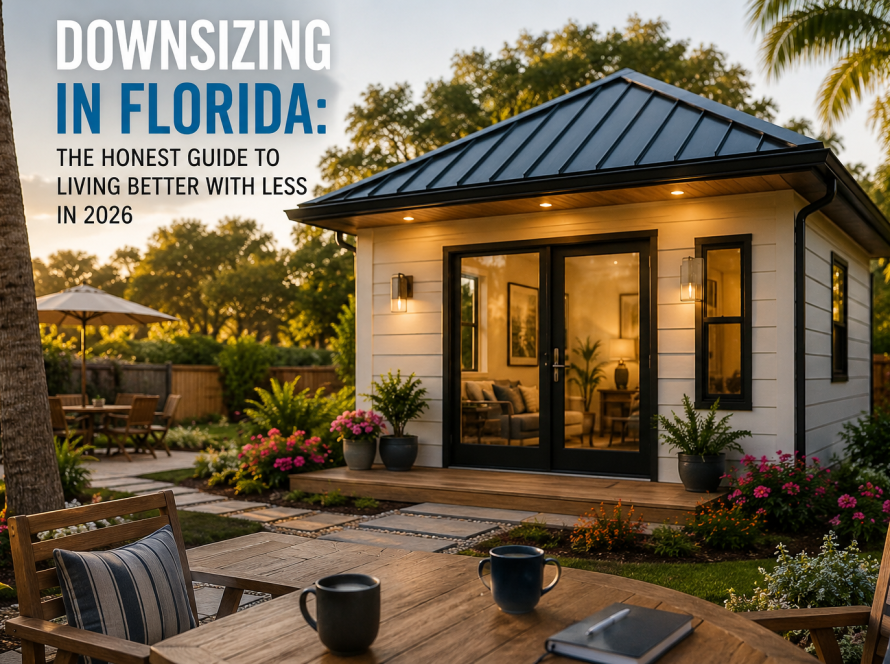
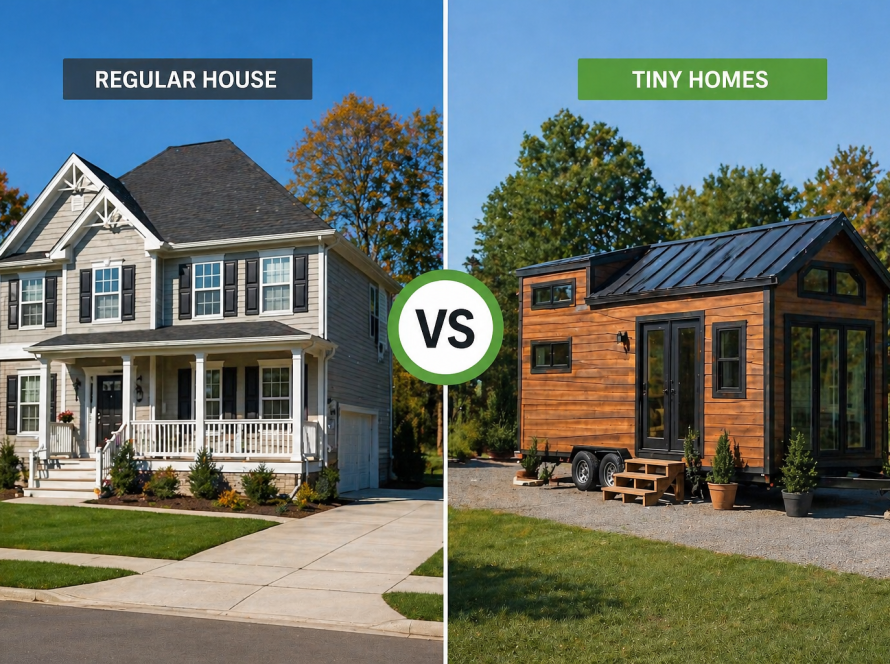
Tiny Homes Under 400 Sq Ft in Florida
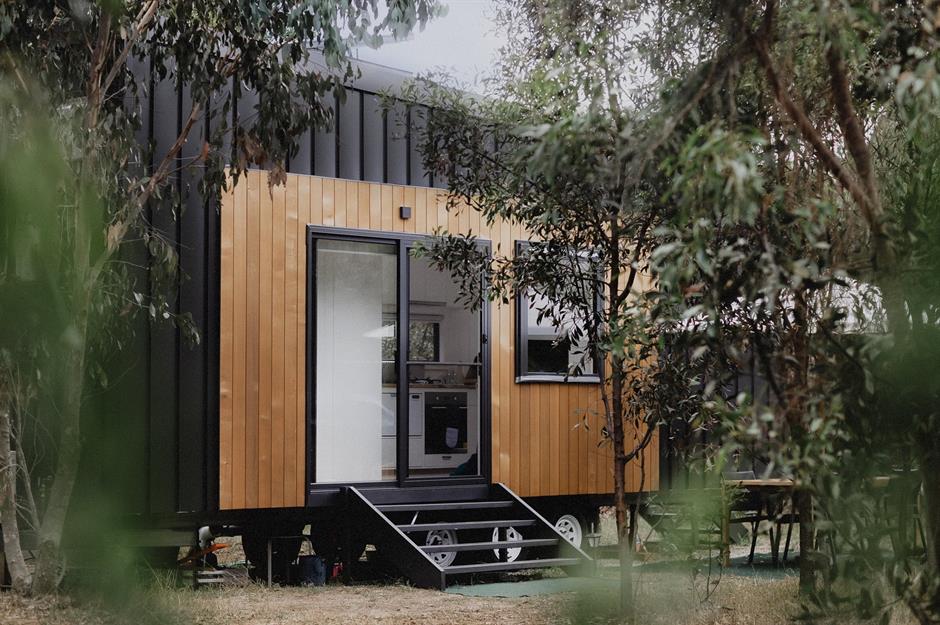
Tiny Homes Under 400 Sq Ft in Florida: What Buyers Need to Know in 2026 Ecolife Homes
Florida’s housing market has changed dramatically. In many cities across the state, the median price of a single-family home now sits above $400,000, and rents have followed suit. For a growing number of Floridians, retirees ready to downsize, first-time buyers priced out of the traditional market, investors looking for affordable entry points, and landowners exploring what they can do with their property, tiny homes under 400 sq ft have moved from a curiosity to a serious housing strategy.
But the phrase “tiny home” covers a wide range of products, legal classifications, and lifestyle realities. A poorly researched tiny home purchase in Florida can lead to zoning violations, financing dead ends, and homes that simply were not built for this climate. A well-researched one can deliver a genuinely comfortable, low-cost, and low-maintenance lifestyle that Florida’s outdoor culture makes uniquely well-suited for.
This guide is written for people who are seriously considering a tiny home under 400 sq ft in Florida and want honest, locally grounded information before they make a decision. We cover what these homes are, what they cost, where you can legally place them, how the Florida lifestyle translates to small-footprint living, and what your realistic next steps look like.
Why Tiny Homes Under 400 Sq Ft Are Gaining Ground in Florida
The timing makes sense. Florida’s population has grown consistently for years, but housing supply has not kept pace. That gap has pushed prices up sharply in metro areas like Tampa, Orlando, Jacksonville, and Miami, while also pushing buyers to look at alternatives that were not on their radar even five years ago.
Tiny homes under 400 square feet have emerged as one of the most practical alternatives because they deliver the essentials of a real home. This includes a proper kitchen, a full bathroom, a real bedroom, and climate control all at a dramatically lower price point. For buyers who have been renting and watching homeownership drift further out of reach, a tiny home on owned or leased land represents a real and achievable path forward.
The lifestyle argument is equally compelling in Florida specifically. Unlike colder states where small living spaces can feel confining for months at a stretch, Florida’s climate means your actual living space extends well beyond four walls for the majority of the year. A screened porch, a community pool, a nearby beach, or even a well-designed backyard garden effectively multiplies the livable footprint of a tiny home in ways that simply do not apply in less hospitable climates.
Retirees have been among the earliest and most enthusiastic adopters of tiny home living in Florida. The combination of dramatically reduced housing costs, minimal maintenance demands, and the community-oriented environments that many tiny home and park model homes Florida communities offer aligns almost perfectly with what a large portion of retirees are actually looking for.
Understanding the Different Types of Tiny Homes Under 400 Sq Ft
One of the most important things to understand before buying is that “tiny home under 400 sq ft” is a description of size, not a legal category. Florida regulators do not treat all small homes the same way, and the type of tiny home you purchase directly affects where you can legally place it, how you can finance it, and what permits and inspections are required.
Park Model Homes
Park model tiny homes are factory-built units certified under the ANSI A119.5 standard and classified by HUD as recreational vehicles. They are designed to stay under 400 square feet of interior living space. Despite the RV classification, park models are built to look and function like permanent cottages. They include real drywall, full-size appliances, and pitched roofs. They are transported to a site on a chassis and placed on a prepared pad. Because they are classified as RVs, they are most legally at home in licensed RV and resort communities operating under Florida Statutes Chapter 513.
Foundation-Built ADUs and Tiny Houses
Foundation-built tiny homes are permitted under the Florida Building Code and treated as real property. They are subject to full permitting, inspections, and local zoning approval, but they also have a cleaner path to traditional financing and can be placed on private residential or agricultural land in jurisdictions that allow them. Many counties set a minimum square footage for dwelling units, so buyers should verify local requirements before purchasing land with plans to build a foundation-based tiny home.
Prefab and Modular Tiny Homes
Prefab park model homes and modular units built in controlled factory environments offer a middle path of faster construction timelines, consistent quality, and lower labor costs compared to site-built homes. Some prefab models are certified under Florida Building Code and can be placed on private land; others fall under the park model or manufactured home classifications. Understanding which certification a specific unit carries is essential before purchase.
Tiny Homes on Wheels (THOWs)
THOWs are built on standard trailer chassis without a regulated size standard and are classified the same as conventional RVs in most Florida counties. They offer maximum flexibility in theory but present significant legal challenges in practice. Florida counties generally do not allow THOWs as permanent residences on private land, and insurance and financing options are more limited than for park model or foundation-built homes.
The Real Benefits of Choosing a Tiny Home Under 400 Sq Ft in Florida
Beyond the headline affordability numbers, there are several practical and lifestyle benefits that make small-footprint living genuinely appealing for a wide range of Florida buyers.
Dramatically Lower Purchase and Ownership Costs
The financial case for tiny homes under 400 sq ft is straightforward. Entry prices for quality tiny homes and park model units in Florida typically range from $55,000 to $130,000 depending on the type, build quality, and level of customization. Even at the higher end of that range, the total cost is a fraction of what a comparable traditional home costs in most Florida markets. Monthly ownership costs including lot rent, mortgage, utilities, and insurance frequently run under $1,000 in well-managed communities outside of major metro areas.
Lower Ongoing Maintenance
A smaller home means fewer systems to maintain, smaller surfaces to repair, and less time and money spent on upkeep. For retirees especially, this is not just a financial consideration . It is a quality-of-life one. Many people who downsize into tiny homes describe the reduction in maintenance burden as one of the most significant and underestimated benefits of the transition.
Energy Efficiency and Lower Utility Bills
Heating and cooling a 350-square-foot space costs a fraction of what it costs to condition a 2,000-square-foot home. In Florida, where air conditioning runs for much of the year, this difference adds up quickly. A well-insulated tiny home with an appropriately sized mini-split system can deliver excellent comfort at very low monthly utility costs.
Community and Lifestyle Alignment
Many of Florida’s tiny home and park model communities are thoughtfully designed around shared amenities. This includes pools, clubhouses, community gardens, and social programming. For buyers coming from isolated suburban homes, this community dimension of tiny living is often a welcome and unexpected benefit. Florida’s outdoor lifestyle, centered on water, nature, and year-round warm weather, pairs naturally with homes designed for low-maintenance simplicity.
Legal Considerations: What Florida Buyers Must Understand Before Purchasing
Florida does not have a single statewide tiny home law. Regulation happens at the county and municipal level, which means the rules in Alachua County are meaningfully different from those in Collier County. This decentralization creates real opportunities in some jurisdictions and genuine obstacles in others.
Zoning and Placement Rules Vary by County
Before purchasing any tiny home or the land to place one on, buyers must verify zoning allowances directly with the relevant county or municipality. The specific questions to ask are whether the intended use, full-time residential occupancy of a sub-400-square-foot unit, is permitted on that specific parcel under that parcel’s current zoning classification. Getting that answer in writing, via email from a county zoning official, is the single most important protective step a tiny home buyer in Florida can take.
Some Florida counties, including Alachua, Pasco, and Marion, have developed relatively clear and permissive frameworks for small-footprint housing. Others, particularly in South Florida’s urban and coastal counties, apply stricter regulations that can make placement significantly more complicated.
The Difference Between RV Classification and Real Property
Park model homes and THOWs classified as RVs are generally not permitted as permanent legal residences on standard residential land. Placing an RV-classified home on a residential lot without specific zoning approval is a common and potentially costly mistake. RV park model homes are legally most appropriate in licensed communities operating under Florida Statutes Chapter 513, which explicitly authorizes long-term occupancy in licensed RV and resort parks.
Foundation-built tiny homes permitted under Florida Building Code are treated as real property and can be placed on appropriately zoned land with the correct permits. They carry more legal clarity for private land placement but require more upfront permitting work and typically cost more to build or purchase.
Hurricane and Wind Zone Requirements
Florida’s building environment adds a layer of consideration that buyers in most other states do not face. The Florida Building Code imposes wind resistance requirements based on geographic wind zones, and coastal areas carry the highest standards. For foundation-built tiny homes, this means structural compliance with FBC wind-load requirements. For park model buyers placing homes in licensed communities, hurricane anchoring systems rated for the local wind zone are typically required by both the community and any insurer. Buyers should confirm wind zone compliance with their builder or manufacturer before purchase.
What Does a Tiny Home Under 400 Sq Ft Actually Cost in Florida?
Understanding the full cost picture is essential for making a decision you will feel confident about long-term.
Purchase Price Ranges
Entry-level park model and prefab tiny homes in Florida typically start between $55,000 and $75,000. These units include functional finishes and standard features appropriate for comfortable full-time living.
Mid-range models priced between $75,000 and $110,000 offer upgraded materials, better insulation, more modern interior designs, and greater customization options. This tier represents the sweet spot for most buyers balancing quality and affordability.
Premium and custom builds range from $110,000 to $150,000 or more, featuring high-end finishes throughout, expanded outdoor living structures, and Florida-specific upgrades like impact-resistant windows and metal roofing systems.
Site and Setup Costs
Delivery and transportation of a factory-built tiny home within Florida typically adds $3,000 to $10,000 to the total cost. Site preparation, which includes grading, utility connections, foundation or pad work, and hurricane anchoring generally adds another $5,000 to $20,000 depending on the property and what infrastructure is already in place.
Ongoing Monthly Costs
Buyers placing a home in a community should budget for monthly lot rent, which typically ranges from $500 to $1,200 per month in Florida depending on location and amenities. Insurance for a tiny home or park model in Florida generally runs $800 to $2,500 per year. Utility costs in a well-built tiny home are substantially lower than in a traditional house, often running $80 to $150 per month for a well-insulated unit with an efficient HVAC system.
Financing Your Florida Tiny Home: What Options Are Available
Financing is one of the areas where tiny home buyers encounter the most confusion, because the available options vary significantly depending on how the home is legally classified.
For park model tiny home buyers, the most common path is an RV loan from a specialty lender. These loans are specifically designed for ANSI-certified park model units and offer terms ranging from 10 to 20 years. Several national lenders actively work in this space and regularly finance park model purchases throughout Florida.
Personal loans from banks and credit unions are a practical option for lower-cost units, typically those priced under $60,000. They close quickly without appraisal requirements, though interest rates are generally higher than secured loan products.
Many manufacturers offer in-house financing with more accessible approval criteria than traditional lenders. This path is useful for buyers with non-standard credit profiles, though terms should be reviewed carefully and compared against outside options.
For buyers who already own property in Florida, a home equity loan or line of credit can fund a tiny home purchase at lower rates than any RV or personal loan product. This is particularly effective for landowners who plan to place a tiny home on land they already own, or for investors adding a unit to existing property.
Foundation-built tiny homes permitted as real property have access to a broader range of conventional financing, including USDA rural development loans in eligible Florida counties, which offer zero-down options for qualifying buyers in designated rural areas.
Choosing the Right Location in Florida for Your Tiny Home
Where you place your tiny home shapes your total cost, your legal situation, your community access, and your day-to-day lifestyle. Florida’s geography creates meaningful differences between regions that buyers should understand before committing to a location.
North and north-central Florida — including the Gainesville, Ocala, and Tallahassee areas — generally offers the most affordable land, the most accessible zoning for alternative housing types, and the largest inventory of established park model and tiny home communities. Marion County’s horse country setting and Alachua County’s university-town culture both attract specific buyer profiles that suit tiny home living well.
Central Florida, including the greater Orlando and Kissimmee areas, appeals to buyers who want proximity to employment centers, major conveniences, and the tourism economy that supports short-term rental strategies. Land prices are higher here than in North Florida, but community infrastructure tends to be more developed.
The Gulf Coast from Tampa Bay south through Sarasota and Fort Myers draws retirees, seasonal residents, and lifestyle-focused buyers who prioritize beach access and an active outdoor environment. Pasco County has become one of the most recognized tiny home and park model destinations in the state. Lot rents and purchase prices tend to be higher in this region than in interior Florida.
South Florida offers year-round warmth and proximity to world-class amenities, but zoning regulations in Miami-Dade, Broward, and Palm Beach counties are generally more restrictive for alternative housing types. Buyers targeting this region should plan for more thorough due diligence and should verify placement options carefully before purchasing.
Is a Tiny Home Under 400 Sq Ft the Right Choice for You?
The honest answer depends on what you actually need from a home and how your lifestyle aligns with what small-footprint living genuinely delivers.
For retirees looking to reduce costs, simplify maintenance, and find a genuine sense of community, a tiny home in the right Florida setting often exceeds expectations. The financial relief is real, the maintenance reduction is significant, and the lifestyle compatibility with Florida’s outdoor culture tends to be higher than in most other regions of the country.
For first-time buyers who have been renting and feel homeownership slipping out of reach, a well-chosen tiny home under 400 sq ft in Florida offers a realistic path into ownership at a price point the traditional market no longer provides for many buyers. The key is approaching the purchase with clear information about legal placement, financing, and total cost rather than focusing only on the sticker price.
For investors, Florida’s tight housing market and growing demand for affordable alternative accommodations create genuine opportunities in this space, both for long-term community lot ownership and for short-term rental strategies in the right locations.
Whatever your situation, the buyers who do best are the ones who research thoroughly, verify zoning before they commit, choose a builder or manufacturer that understands Florida’s specific climate and regulatory environment, and take the time to understand the full cost picture before signing anything.
The tiny life in Florida is not a fallback option. For a growing number of people across a wide range of life stages, it is one of the smartest housing decisions available in 2026.
Live Big. Go Tiny. Take Action.
Ready to explore your tiny home options in Florida? Our team is here to walk you through every step — from design and placement to financing and delivery.