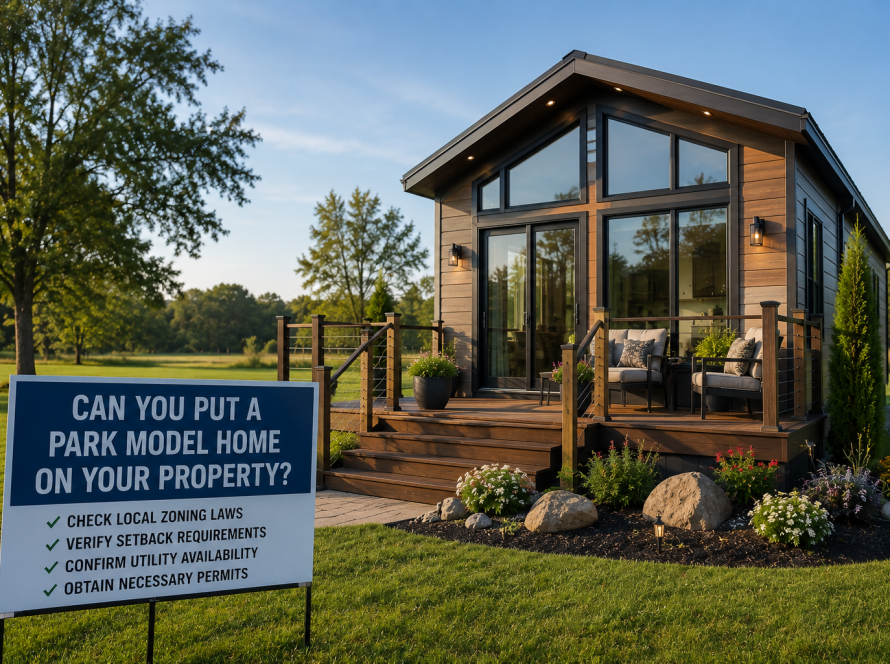
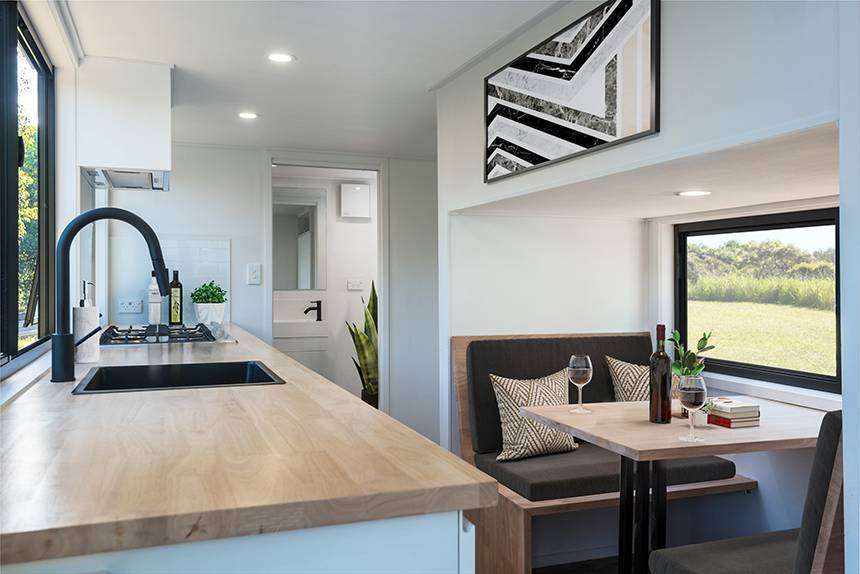
Tiny house rental guide: How to book smart and avoid mistakes
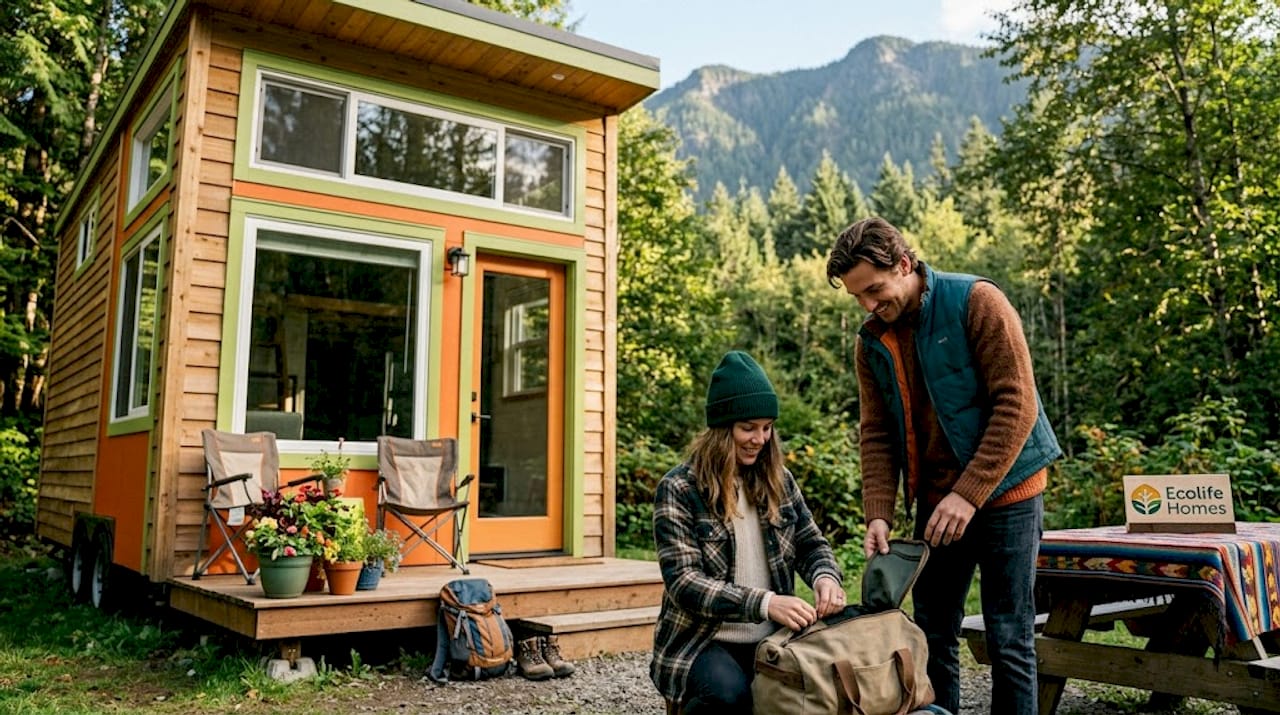
Renting a tiny house can offer unique experiences for vacations, lifestyle testing, and affordable living, but legal compliance and accurate listing verification are crucial. Potential renters should carefully check zoning rules, permits, utilities, and platform reviews to ensure a safe and realistic stay. Thorough upfront research, understanding local regulations, and treating short-term rentals as genuine tests help prevent costly mistakes and ensure satisfaction.
Renting a tiny house sounds simple enough: a charming, compact space, a lower price tag, and a lighter footprint on the land. But plenty of renters have shown up to find no running water, a host operating without proper permits, or a listing tucked on land where short-term stays aren’t even allowed. These aren’t rare edge cases. They’re common pitfalls that catch first-time tiny house renters off guard. This guide walks you through exactly what to look for, where to find legitimate listings, how to verify legal compliance, and how to make sure the experience actually matches your expectations before you hand over your deposit.
Table of Contents
- Why rent a tiny house? Key benefits and scenarios
- Where to find tiny house rentals: Major platforms and providers
- Legal and zoning essentials: Avoiding common pitfalls
- Amenities, utilities, and comfort: What to verify before booking
- Cost, profit, and long-term considerations: What to expect financially
- The overlooked truths about tiny house rentals: Our perspective
- Ready to rent or own your perfect tiny house?
- Frequently asked questions
Key Takeaways
| Point | Details |
|---|---|
| Vet legal and zoning rules | Check all local laws and verify that tiny house rentals are allowed in the area before booking. |
| Check amenities and utilities | Always confirm listings have the basic comforts you need, as many are off-grid or have unique features. |
| Use trusted booking platforms | Book through reputable platforms or resorts that offer clear policies and guest protections. |
| Budget realistically | Expect $80 to $200 per night on average, with long-term stays usually offering better value. |
| Test before you commit | A short stay helps you discover if tiny house living really fits your lifestyle before deeper investments. |
Why rent a tiny house? Key benefits and scenarios
Tiny house rentals have grown well beyond a niche travel trend. They now serve a wide range of purposes, from weekend escapes to multi-month housing trials. Understanding why people choose them helps you figure out whether renting makes sense for your situation right now.
Vacation and lifestyle testing are the two biggest drivers. A long weekend in a 200-square-foot cabin in the mountains gives you a real feel for small-space living that no floor plan or YouTube tour can replicate. Renting before buying is widely recommended for anyone considering a tiny home purchase or build, because it surfaces practical realities fast. How do you handle limited storage? Does cooking in a tiny kitchen feel manageable or frustrating? These questions answer themselves quickly during an actual stay.
Eco-friendly travel is another major draw. Tiny homes generally consume far less energy than standard hotel rooms or vacation rentals. Many properties use solar panels, composting toilets, and rainwater collection systems, making them an appealing choice for travelers trying to reduce their environmental impact without giving up comfort entirely.
Long-term affordable housing is a growing use case, particularly in high-cost metro areas. Monthly rates for tiny house stays can run significantly lower than apartment rents in many cities, though availability and legality vary widely.
Here are the most common reasons people rent tiny homes:
- Vacation getaways where they want something more unique and immersive than a hotel
- Lifestyle trials before committing to a tiny home build or purchase
- Remote work retreats where minimal distractions and off-grid settings boost focus
- Snowbird or seasonal housing for retirees seeking affordable winter stays
- ADU experience for homeowners considering adding a small dwelling unit to their property
Statistic spotlight: Typical tiny house rental rates run between $80 and $200 per night for short stays, while monthly arrangements often land between $800 and $1,500 depending on region, amenities, and legal classification of the property.
Where to find tiny house rentals: Major platforms and providers
Once you’re clear on why you want to rent, the next step is knowing where to look. Not all platforms are equal, and the differences matter more than you might expect.
Peer-to-peer platforms like Airbnb list thousands of tiny homes across the country. The selection is broad and the booking experience is familiar, but legal compliance and amenity accuracy can vary dramatically between individual hosts. Reading reviews carefully, especially comments about utilities and actual size, saves a lot of grief.
Hipcamp takes a more nature-forward approach. Their tiny home listings include a dedicated category for tiny houses across the US, with filters for amenities, eco-features, and land type. Many of their listings sit on private farmland, forests, or rural properties, which suits travelers looking for a genuine off-grid experience.
Dedicated tiny house resorts like WeeCasa offer a managed experience that removes much of the guesswork. These operators handle compliance, utilities, and guest services in-house, which makes the stay more predictable. The trade-off is less flexibility and sometimes a higher nightly rate.
Here’s a quick comparison to help you choose the right booking source:
| Platform type | Best for | Legal clarity | Eco-options | Price range |
|---|---|---|---|---|
| Airbnb | Variety and familiarity | Variable | Limited filters | $80 to $200/night |
| Hipcamp | Nature-based, off-grid stays | Usually stated | Strong filters | $60 to $180/night |
| Dedicated resorts (e.g., WeeCasa) | Managed, predictable stays | High | Often built-in | $100 to $250/night |
| Direct operator listings | Long-term or custom arrangements | Varies | Varies | Negotiable |
When browsing any platform, look for these signals of a trustworthy listing:
- Clear statement of utility setup (grid-connected vs. off-grid)
- Specific amenity list rather than vague descriptions
- Host response to questions about permits or local zoning
- Recent reviews that mention practical details, not just aesthetics
- Cancellation and refund policies spelled out before booking
Legal and zoning essentials: Avoiding common pitfalls
This is where tiny house rentals get complicated fast. Legal and zoning issues are the single biggest source of problems for renters, and most booking platforms don’t filter for compliance automatically. That responsibility falls on you.
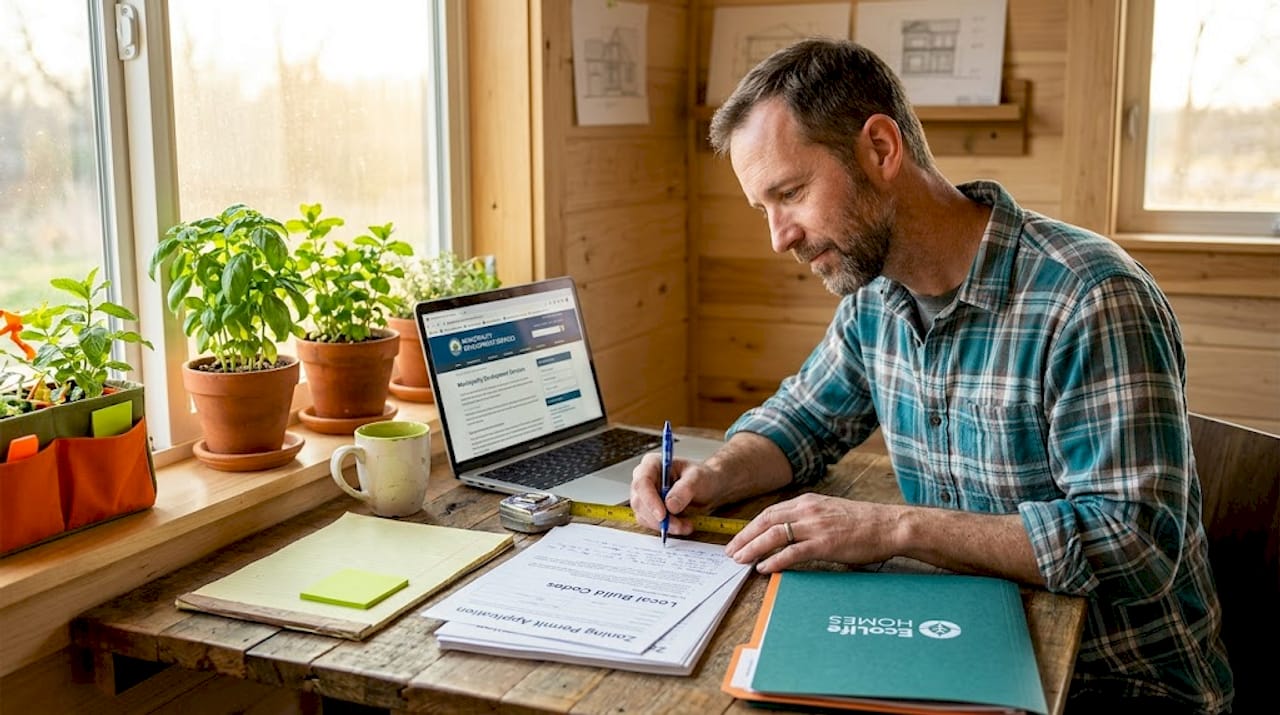
Zoning regulations vary enormously by county, municipality, and even neighborhood. A tiny home that’s perfectly legal in one part of a state may be prohibited just a few miles away. Before confirming any booking, especially a stay longer than a few nights, it’s worth verifying a few things directly with the host.
The key issue is that living tiny legally requires confirming the local zoning classification of the land and whether short-term rentals are explicitly permitted there. Some counties classify tiny homes as recreational vehicles, some as accessory dwelling units, and others as primary residences. Each classification carries different rules.
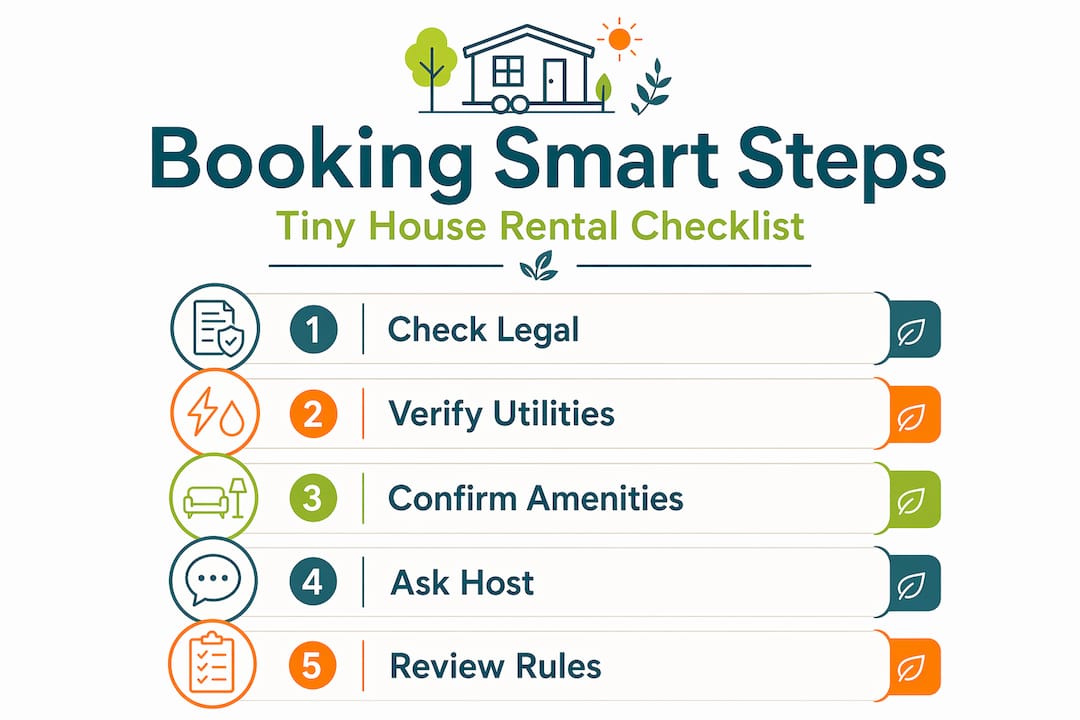
Here’s a numbered checklist to run through before you book:
- Ask the host what zoning designation applies to the property where the tiny home sits.
- Confirm that short term rental use is allowed under that zoning designation.
- Ask whether the host has a short-term rental license or business permit from the local municipality.
- Verify that the tiny home itself is registered or inspected (particularly for park model units or those on wheels).
- For stays longer than 30 days, check whether the property has ADU permits or a dwelling permit in place.
- Ask about liability insurance coverage and whether guests are covered for basic incidents.
“You generally must confirm local zoning classification and whether short-term rentals are permitted where the tiny home will sit.”
Tiny house communities vs. private land rentals is another key distinction. Community-based rentals often operate under a shared permit or master development agreement, which can simplify things for guests. Private land rentals depend entirely on the individual host’s compliance, which is far harder to verify from a distance.
Pro Tip: If you’re booking for more than three nights, ask the host directly: “Do you have a short-term rental permit, and is this property zoned for overnight guests?” A legitimate host will answer quickly and clearly. Hesitation or vague answers are red flags.
Amenities, utilities, and comfort: What to verify before booking
Legal compliance is one thing. Day-to-day comfort is another. Many tiny house listings function closer to off-grid camping than to a standard vacation rental, and that’s not a problem as long as you know what to expect going in.
Verify the following with every listing before you book. Practical amenity checks matter especially for renters, since many tiny house stays operate under constraints that full-size rentals don’t have.
| Amenity category | Questions to ask |
|---|---|
| Water | Is it on a municipal water line or a well? Is there hot water? |
| Sanitation | Flush toilet or composting? What’s the gray water setup? |
| Power | Grid connection, solar, or generator? Any daily usage limits? |
| Heating and cooling | What type of system? Is it reliable in extreme temperatures? |
| Kitchen | Full stove, two-burner cooktop, or just a microwave? |
| Internet and cell | Is WiFi available? What’s the cell coverage in the area? |
| Occupancy | What is the maximum guest count? Are there age restrictions? |
Some eco-friendly park model tiny homes are fully equipped with modern appliances, climate control, and reliable utilities. Others are intentionally minimal, operating on solar alone with limited power capacity and composting sanitation. Both setups can be excellent. What matters is knowing which one you’re walking into.
For renters interested in sustainable tiny homes, off-grid features like solar power and rainwater systems can be a genuine draw. Just make sure they’re functional and maintained, not just listed as features that haven’t worked in months.
Pro Tip: Before booking any off-grid property, ask the host directly how they handle power outages or water shortages during peak season. Their answer tells you a lot about how prepared they actually are.
Cost, profit, and long-term considerations: What to expect financially
Understanding the cost side of tiny house rentals helps you budget accurately and avoid sticker shock. It also helps if you’re considering hosting or investing in a rental unit yourself.
For renters, here’s what to budget for:
- Nightly stays: $80 to $200 is typical across most US markets, with premium locations or fully equipped units pushing toward $300
- Monthly stays: $800 to $1,500 is a common range for longer-term arrangements, though rural properties may be lower and urban-adjacent spots higher
- Cleaning fees: Often $50 to $150 added per stay depending on property size and platform
- Security deposits: Usually $100 to $500 depending on the host’s policy
Rental profitability for owners varies widely by market, legal compliance, and how actively they manage their listing. A tiny home in a high-demand area with solid amenities and legal clarity can generate consistent income. One sitting on improperly zoned land or with recurring maintenance issues will eat profits fast.
For aspiring hosts, running a rental business means budgeting for more than just the home itself:
- Insurance: Short-term rental liability coverage often runs $1,000 to $2,500 annually
- Permits and licensing: Varies by municipality but can run $200 to $1,000 or more for initial setup
- Maintenance reserves: Budget at least 10% of annual gross revenue for ongoing upkeep
- Platform fees: Peer-to-peer platforms typically take 3% to 15% of each booking
If you’re thinking about renting out ADUs or park model homes as an investment, treat the financial planning seriously. The numbers only work when legal compliance, occupancy rates, and pricing align with your actual market.
The overlooked truths about tiny house rentals: Our perspective
Most tiny house rental guides focus on the positives and gloss over the friction points. Having worked with homeowners, investors, and lifestyle seekers across the country, we’ve seen where the real challenges actually show up.
The biggest gap between expectation and reality isn’t the size of the space. It’s the legal complexity that neither the renter nor the host has fully sorted out. Hosts often list properties in good faith without realizing that their county doesn’t permit short-term occupancy on that parcel. Renters book without asking because they assume the platform has vetted everything. Neither assumption holds.
Lifestyle compatibility is the second thing people underestimate. Minimalism sounds appealing in theory. Living it for five days in 180 square feet with a partner, two bags of luggage, and an unstable cell signal is a different experience entirely. That’s not a criticism. It’s genuinely useful data about whether the lifestyle fits you. But you have to be honest with yourself about what you’re testing.
Community-based rentals do simplify things, but they don’t eliminate compliance risk entirely. Even well-run tiny house communities can operate in regulatory gray areas, especially as local governments update short-term rental ordinances. Always confirm current status rather than assuming that a community that was legal two years ago is still operating under the same rules today.
For anyone considering a long-term tiny living arrangement, we recommend treating the planning process like an ADU feasibility project: confirm the zoning, verify utility connections, check permit and inspection requirements, and understand minimum dwelling standards before committing to anything. This approach surfaces problems early, when they’re still easy to fix.
The people who thrive in tiny house living are the ones who went in clear-eyed, did the homework upfront, and treated a short rental stay as a real test rather than a vacation fantasy. That preparation is what makes the difference. Knowing whether ADUs increase property value and understanding the full picture of tiny living is what separates a smart decision from an expensive mistake.
Ready to rent or own your perfect tiny house?
If this guide has done its job, you’re now equipped to approach tiny house rentals with confidence rather than guesswork.
At Ecolife Homes, we design and manufacture premium steel park model tiny homes right here in Florida, delivering anywhere in the USA. Whether you’re exploring the lifestyle through a rental stay or ready to invest in a home of your own, we handle everything from permitting to final installation, making the process straightforward and stress-free. Our models are fully customizable, built for durability and comfort, and compliant with local regulations across the country. If you’re ready to take the next step, explore our park model homes and see what’s possible when quality craftsmanship meets thoughtful design.
Frequently asked questions
What platforms are best for finding tiny house rentals in the USA?
Top platforms include Hipcamp’s tiny home category for camping-style stays and Airbnb for a broader range of options. Dedicated resorts like WeeCasa offer more managed experiences for guests who prefer a predictable stay.
Are tiny house stays legal everywhere?
Not at all. You must confirm local zoning and short-term rental policies before booking, as rules vary significantly by county and municipality across the US.
What should I check before booking a tiny home rental?
Verify utilities, water access, occupancy limits, sanitation type, and whether the property is fully off-grid. Ask the host direct questions if the listing doesn’t spell these out clearly.
How much can I expect to pay for a tiny house rental?
Nightly rates typically range from $80 to $200, while monthly stays often fall between $800 and $1,500 depending on the region, amenities, and how the property is classified.
Is renting a tiny house a good way to test the lifestyle long-term?
Yes. A short rental stay is one of the most practical ways to find out whether tiny living suits you before making a major financial commitment to a purchase or custom build.
Recommended
- Tiny house myths debunked: what buyers need to know
- First Time Tiny Home Buyer Guide: Everything You Need to Know – Ecolife Homes – Park Model Home Manufacturer – Florida – USA
- How to Buy a Tiny House – Ecolife Homes – Park Model Home Manufacturer – Florida – USA
- Blog Standard – Ecolife Homes – Park Model Home Manufacturer – Florida – USA