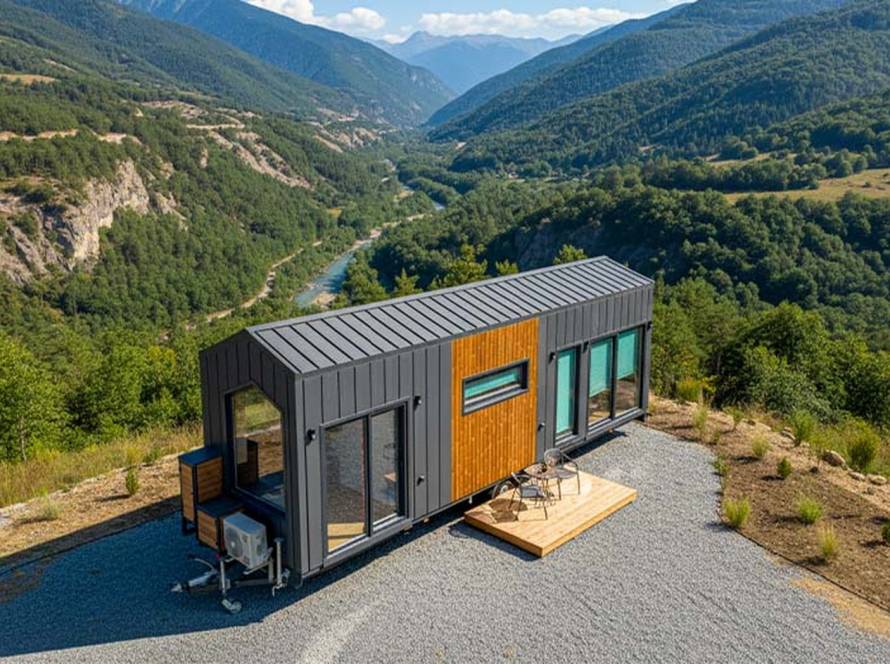
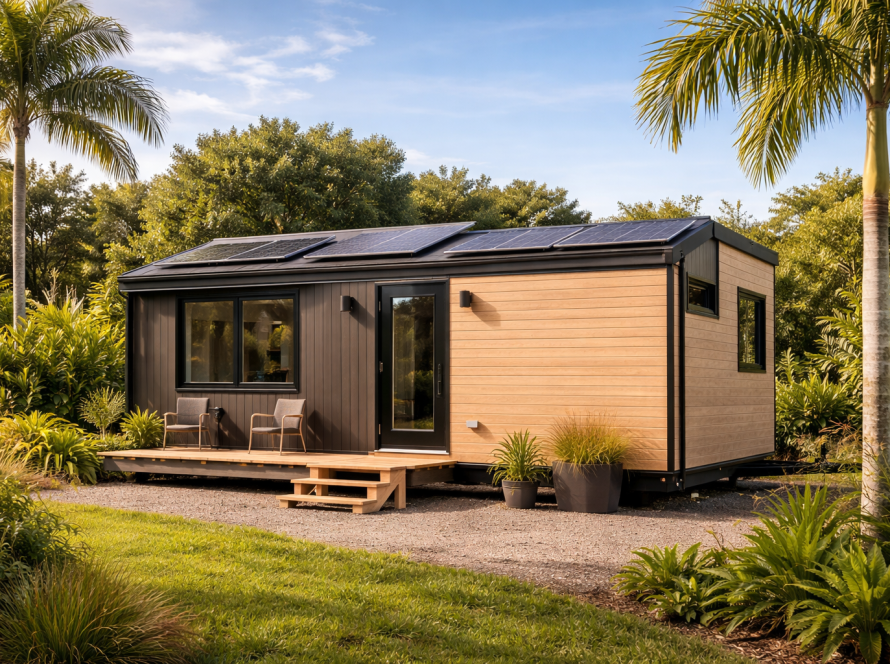
Why eco modular homes are the smart choice for sustainable living
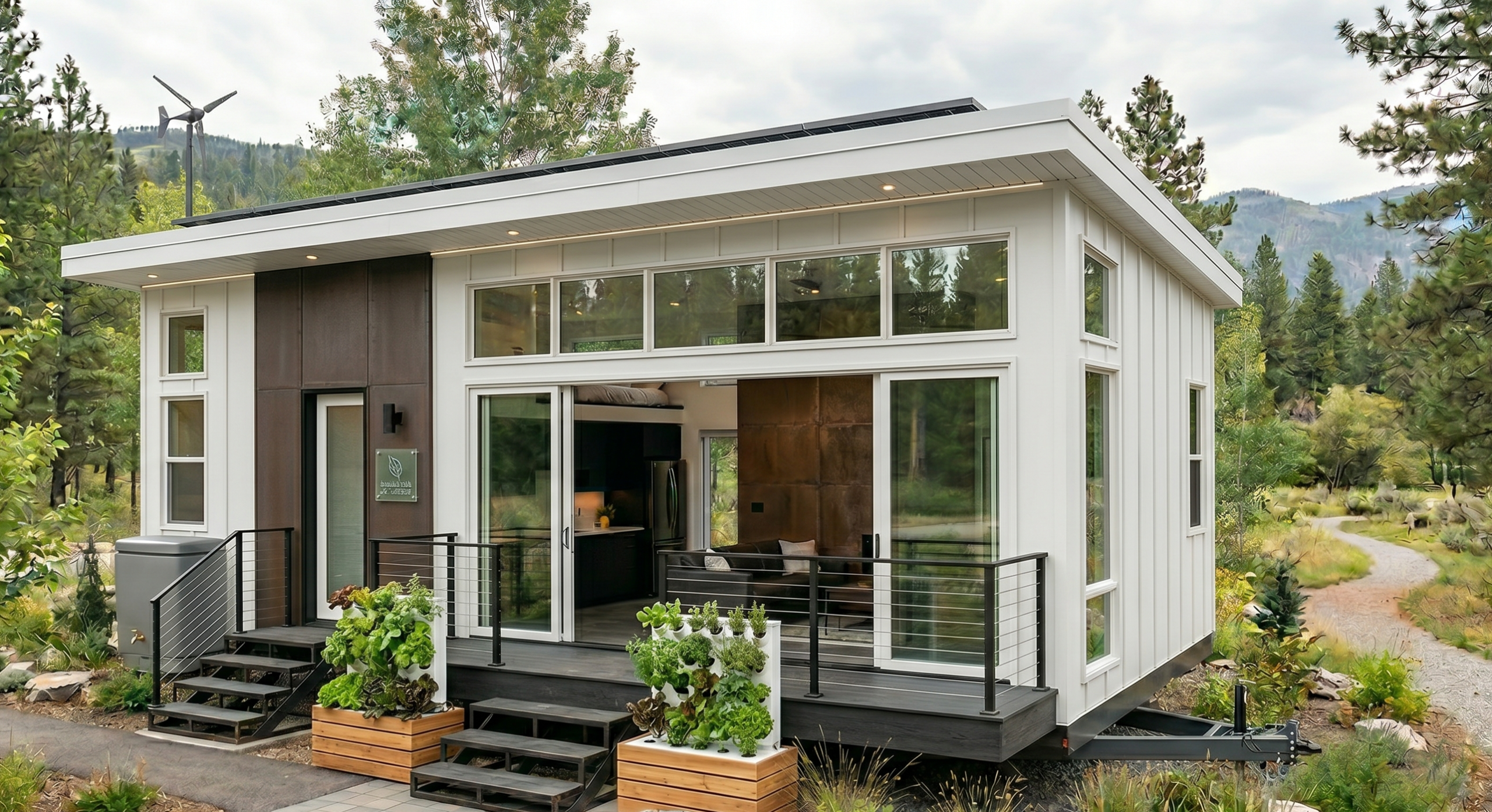
Eco modular homes reduce waste by 50–90% and offer high customization options. They are 15% more energy-efficient, cutting energy bills by up to 60%. Modular homes depreciate slowly and can be a sustainable, adaptable living solution.
Most people assume that building sustainably means spending more or settling for a boxy, cookie-cutter design. That assumption is worth rethinking. Eco modular homes are built in controlled factory environments, reducing construction waste by 50–90% compared to traditional methods, and they can be tailored to almost any lifestyle or budget. Whether you’re a first-time buyer, a retiree looking to downsize, or someone seeking a vacation rental that pays for itself, eco modular construction delivers efficiency, savings, and real personalization. This guide walks you through exactly how these homes work, what you can save, and what to watch for before you commit.
Table of Contents
- What makes a home ‘eco modular’?
- Environmental and energy benefits explained
- Customization, comfort, and living experience
- Financing, value retention, and practical considerations
- A fresh perspective: What most buyers miss about choosing eco modular homes
- Ready to explore eco modular living?
- Frequently asked questions
Key Takeaways
| Point | Details |
|---|---|
| Drastically reduced waste | Eco modular homes produce up to 90% less construction waste than traditional building. |
| Major energy savings | Owners cut energy bills by 20%-60% thanks to enhanced insulation and efficiency. |
| Flexible customization | Modern modulars let you choose layouts, materials, and eco-features to match your needs. |
| Strong long-term value | Quality eco modular homes hold value well, appreciating or depreciating slower than many existing builds. |
| Easier homebuilding | Factory precision means less hassle and easier timelines compared to traditional construction. |
What makes a home ‘eco modular’?
An eco modular home is a factory-built residence constructed in sections, or modules, using materials and processes designed to reduce environmental impact. Each module is built indoors under controlled conditions, then transported to a prepared site and assembled on a permanent foundation. This is quite different from a traditional stick-built home, where materials sit exposed to weather, and waste is generated freely on-site.
What truly separates eco modular construction from conventional prefab is the combination of precision engineering and certified sustainable materials. Manufacturers use recycled steel framing, low-VOC (volatile organic compound) paints, and energy-rated insulation as standard practice, not optional upgrades. The result is a home that starts greener and stays greener over time.
For a thorough breakdown of this category, the factory-built housing guide from Ecolife Homes is a practical starting point. And according to industrialized construction benchmarks tracked by the National Renewable Energy Laboratory, factory precision consistently outperforms field construction on material efficiency.
Here’s how eco modular homes stack up against the alternatives:
| Feature | Eco modular | Traditional site-built | Standard prefab |
|---|---|---|---|
| Construction waste | 10–15 kg/m² | 25–30 kg/m² | 18–22 kg/m² |
| Build timeline | 10–16 weeks | 6–12 months | 12–20 weeks |
| Energy insulation rating | High | Varies | Medium |
| Customization | High (CAD-driven) | High | Low to medium |
| Weather exposure during build | Minimal | High | Moderate |
The construction waste figures alone tell a compelling story: eco modular builds generate roughly half the jobsite waste of a traditional home. That matters for the environment, and it also matters for your project budget.
A common misconception is that modular means minimal. In reality, modular homes today meet or exceed the same local and national building codes as site-built homes. They are inspected in the factory and again on-site, meaning they go through more quality checkpoints, not fewer.
“Modular homes are permanently affixed to a foundation, inspected to local building codes, and financed just like site-built homes. The quality stigma is largely outdated.” — NAHB Consumer Resources
The distinction worth remembering: modular is a construction method, not a style or a compromise.
Environmental and energy benefits explained
After understanding what makes a home eco modular, let’s dig into the environmental and energy advantages that matter most.
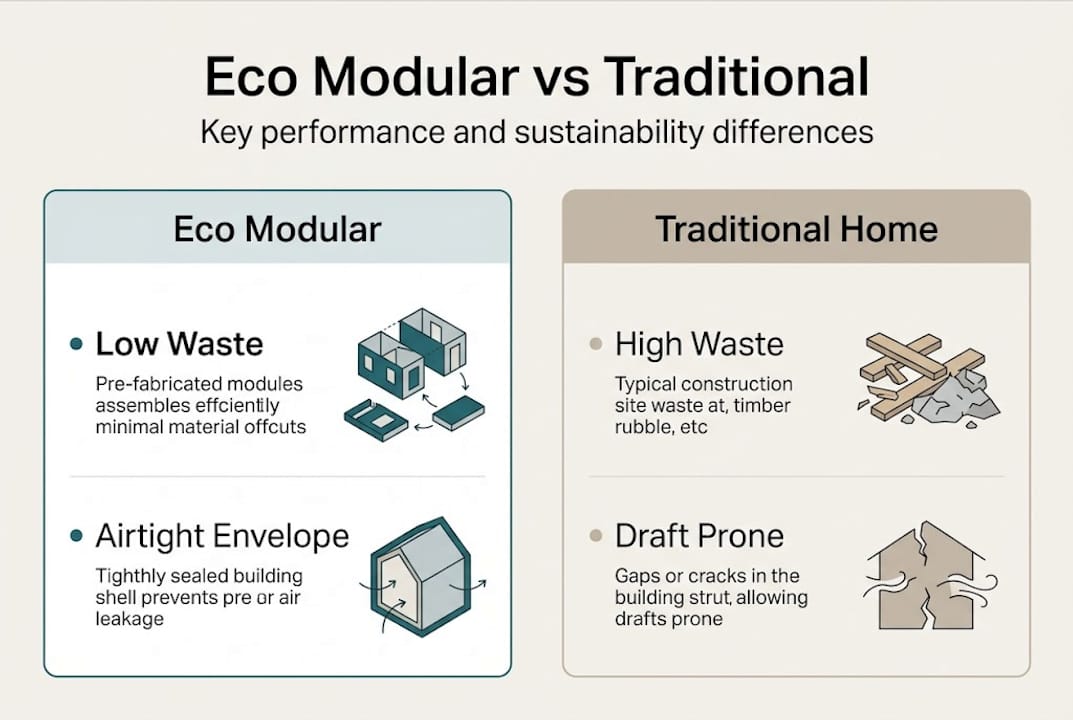
The environmental case for modular construction is backed by numbers, not just marketing. Waste reduction is the most visible benefit. Because modules are cut and assembled in a factory using precise measurements, leftover materials are recycled within the facility rather than hauled to a landfill. This is why waste volumes drop so dramatically compared to traditional builds.
Energy performance is where eco modular homes really stand out for homeowners focused on monthly costs. According to NREL, modular homes are 15% more energy-efficient and can cut energy bills by 20–60%. That range reflects differences in home size, climate zone, and the specific eco upgrades chosen.
Energy savings snapshot:
| Home type | Average annual energy cost | Potential modular savings |
|---|---|---|
| Traditional site-built | $2,200 | Baseline |
| Eco modular (standard) | $1,540 | ~$660/year |
| Eco modular (net-zero ready) | $880 | ~$1,320/year |
The airtight building envelope typical of factory construction is a major reason for these savings. Factory-assembled walls are sealed more consistently than those built by hand in shifting weather conditions, reducing heat loss in winter and heat gain in summer.
Over a home’s full life cycle, the greenhouse gas reduction can reach up to 60% compared to a conventionally built home. That figure accounts for both the reduced waste during construction and the lower operational energy demand across decades of use. You can review detailed energy performance details at NREL’s industrialized construction resource hub.
For buyers in Florida and similar climates, modular housing energy efficiency takes on extra importance because of year-round cooling loads. Tight building envelopes and reflective roofing materials work together to keep indoor temperatures stable without overworking an HVAC system.
To understand how these benefits are built into the process from the start, the eco construction process guide explains each phase in plain language.
Pro Tip: When comparing eco modular homes, look specifically for ENERGY STAR certification or a HERS (Home Energy Rating System) score below 50. These benchmarks confirm that a home’s energy performance has been independently verified, not just claimed by the manufacturer.
If you’re exploring what sustainable living looks like in practice, eco homes Florida offers region-specific examples that show real savings in action.
Customization, comfort, and living experience
Next, with the environment covered, discover how modular living delivers personalized style and real comfort.
The idea that modular homes are all identical is one of the most persistent myths in housing. The reality is almost the opposite. Customization using CAD allows manufacturers to adjust floor plans, ceiling heights, window placement, and finishes to a high degree of precision before a single module is built. Changes that would be expensive mid-build on a traditional home are resolved digitally in the design phase.
For eco-conscious buyers, the upgrade options are particularly appealing:
- Solar panel integration designed into the roof structure from the start, not retrofitted later
- Greywater recycling systems that reduce water consumption by reusing sink and shower water for irrigation
- Low-VOC paints and finishes that improve indoor air quality for families with children or sensitivities
- Smart home systems for automated lighting, thermostat control, and energy monitoring
- Triple-pane windows for superior insulation in both hot and cold climates
You can browse real-world examples of custom eco-friendly designs to see how these features come together visually.
Comfort goes beyond aesthetics. Factory-built construction achieves tighter tolerances than field construction, which means fewer gaps where moisture or drafts enter. The result is better humidity control and more consistent indoor air quality across seasons. For anyone who has lived in an older home with drafty windows or inconsistent heating, this difference is noticeable from day one.
Pro Tip: If budget is a concern, prioritize insulation upgrades and airtightness first. These deliver the largest long-term savings and comfort gains. Solar panels and smart systems can be added later, but a poorly sealed envelope is expensive to fix after the fact.
The range of eco upgrades for modular homes available today means you can start with a well-insulated, code-compliant base and add layers of sustainability as your budget allows. You can also explore eco home options to compare different sustainable home styles before committing.
Modular living isn’t one size fits all. It’s a platform you design around your life.
Financing, value retention, and practical considerations
Having explored design flexibility, it’s time to cover the all-important topics of cost, value, and practical logistics for eco modular homebuyers.
Eco modular homes typically cost 10–20% less per square foot than comparable site-built homes, excluding land and foundation. That savings comes from factory efficiency, bulk material purchasing, and shorter build timelines. A detailed look at cost savings of modular homes breaks this down further by home size and region.
On value retention, modular homes have historically faced perception challenges in some markets. But the data tells a more nuanced story. Quality modular homes depreciate more slowly, at 0.5–1.2% annually, compared to 1.5–2.5% for traditional builds, and can appreciate 3.2–3.8% annually in strong markets. That stigma is fading fast as national building codes tighten and factory quality improves.
Here are the key practical steps before purchasing:
- Check local zoning laws. Some counties restrict modular homes to specific zones. Confirm your lot qualifies before signing anything.
- Evaluate site accessibility. Modules are delivered by truck and in some cases require crane placement. Narrow driveways or low-clearance overhead obstacles can complicate delivery.
- Get your foundation plans in order. A permanent foundation is required for most mortgage-eligible modular homes. Factor this into your total budget early.
- Talk to lenders who know modular. Financing options vary significantly. Standard mortgages are possible for most quality modular homes, but some buyers benefit from specialized lenders who understand factory-built construction.
- Understand the full cost picture. Land, site prep, foundation, and utility hookups are separate from the home price itself.
A few things to keep in mind:
- Transportation and crane access must be confirmed with your manufacturer before finalizing the site
- Some rural areas have limited contractor experience with modular installation
- HOA restrictions in certain communities may limit modular options
“Treating the modular home price as the final number is a common buyer mistake. Site prep and land together often equal or exceed the cost of the home itself.”
For a step-by-step overview of the full journey, the park model house buying process guide is a practical resource that covers everything from lot selection to move-in.
A fresh perspective: What most buyers miss about choosing eco modular homes
As you’ve seen, eco modular homes shine on paper. But here’s what data and real experience reveal that the mainstream conversation often misses.
Most buyers enter the process focused on the upfront price. That’s understandable. But fixating on the purchase number means overlooking what makes modular homes genuinely valuable over time: their adaptability. A well-designed modular home isn’t a static structure. It’s a platform that can absorb new technology as it becomes available, whether that’s a next-generation solar system, a home battery, or improved insulation materials.
The eco build process insights we’ve developed over 21 years show that buyers who plan for future upgrades during the design phase spend significantly less when they eventually add those features. Routing conduit for solar wiring costs almost nothing at build time. Adding it after the fact costs real money.
The stigma around modular is also evaporating faster than most buyers realize. National building codes in 2026 hold factory-built homes to standards that often exceed what local site-built contractors achieve. Quality is no longer a concern. The real opportunity is using a modular home as a dynamic platform for eco living, not just a cheaper alternative to traditional construction. That mindset shift changes everything about how you approach the buying process.
Ready to explore eco modular living?
If you’re inspired by the benefits of eco modular homes, here are resources to guide your next steps.
At Ecolife Homes, we’ve spent over 21 years helping buyers move from curiosity to keys in hand, without the stress or guesswork. Our team handles everything from permitting to final installation, so you can focus on the exciting part: designing a home that fits your life.
Start by browsing our full range at explore tiny homes to see what’s possible. If you’re weighing your options, the modular vs traditional comparison page lays out the differences clearly. And if affordability is your top priority, affordable park model homes explains how to get the most value from your investment. We’re here to make sustainable living straightforward and genuinely exciting.
Frequently asked questions
How much can I really save on utility bills with an eco modular home?
You can save 20%–60% on energy costs thanks to superior insulation and airtight building techniques. Homes built toward net-zero potential see the highest savings, especially in climates with extreme seasonal temperatures.
Are eco modular homes eligible for traditional mortgages?
Most quality modular homes qualify for standard mortgages, although some buyers use specialized lenders who are familiar with factory-built construction and its financing nuances.
Do eco modular homes hold their value as well as traditional houses?
They often depreciate more slowly and can appreciate 3.2%–3.8% annually in strong markets. The depreciation rate of 0.5–1.2% per year compares favorably to the 1.5–2.5% seen with traditional builds.
What limitations should I know about before buying an eco modular home?
You may face zoning restrictions and site accessibility requirements for truck or crane delivery. Some markets still carry perception stigma, but actual build quality exceeds site-built standards in most measurable categories.
Can I fully customize the look and features of an eco modular home?
Yes. Through computer-aided design, you can adjust floor plans, finishes, and eco upgrades like solar panels and low-VOC paints before construction begins, with no costly mid-build changes.
Recommended
- Best types of eco homes for sustainable living in 2026
- Eco-Friendly Park Model Tiny Homes – Ecolife Homes – Park Model Home Manufacturer – Florida – USA
- Eco Homes Florida: Sustainable Living in the Sunshine State – Ecolife Homes – Park Model Home Manufacturer – Florida – USA
- Florida modular housing: affordable, custom, and green