Tiny home pricing factors in Florida for first-time buyers
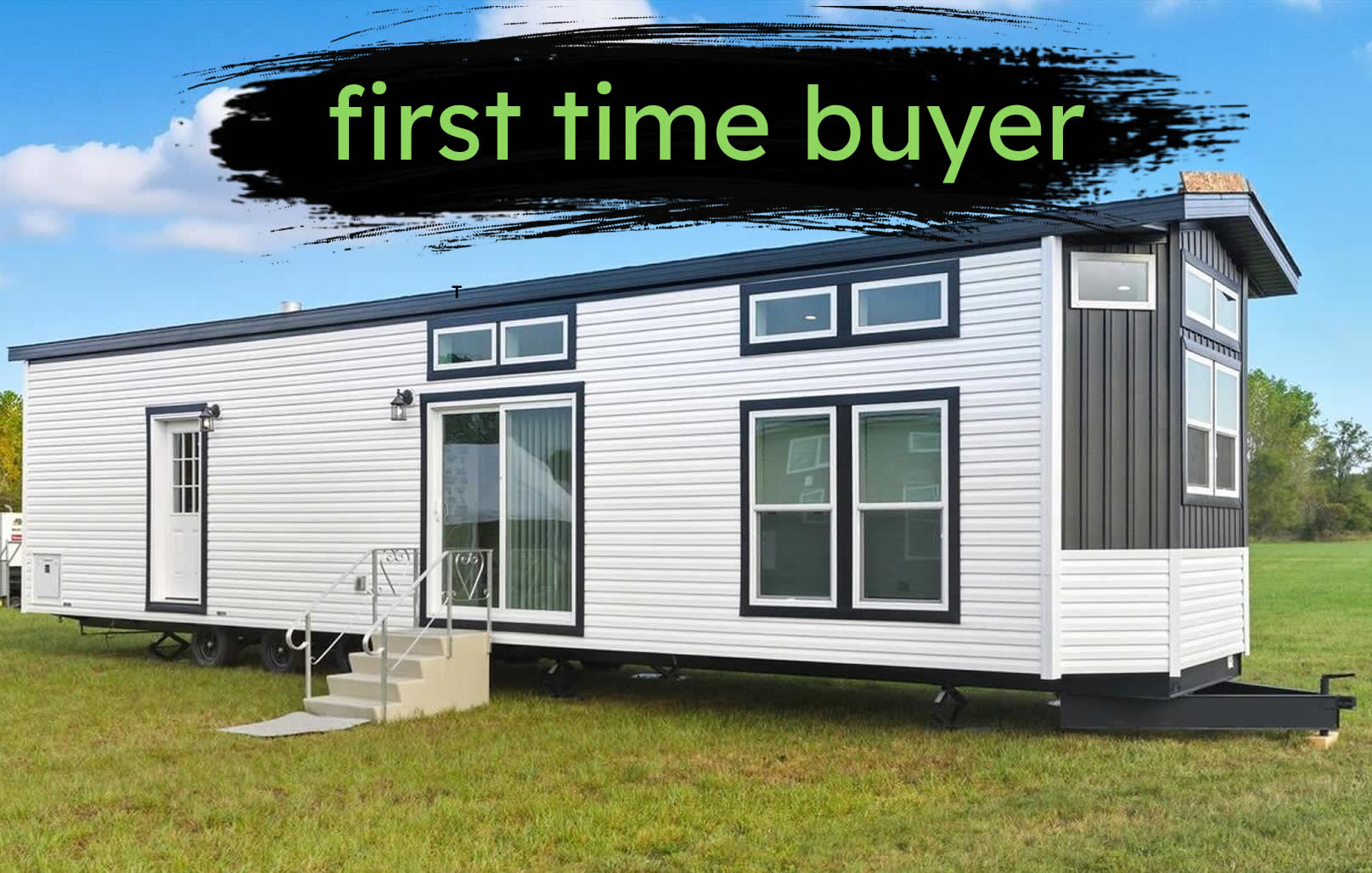
Many first-time buyers assume tiny homes offer a simple, fixed low price. The reality is far more complex. Pricing depends on zoning regulations, material choices, customization levels, and hidden costs like permits and land. For Florida buyers, understanding these factors is essential to making informed decisions and avoiding budget surprises. This guide breaks down the key elements that shape tiny home costs, helping you plan effectively and find a solution that matches your lifestyle and financial goals.
Table of Contents
- Understanding Zoning Laws And Their Impact On Tiny Home Pricing In Florida
- Material Choices And Construction Methods That Influence Cost And Sustainability
- Customization, Size, And Design Options Shaping Your Tiny Home’s Price
- Additional Costs: Land, Permits, Utilities, And Ongoing Expenses
- Explore Affordable Park Model Tiny Homes With Ecolife Homes
- Frequently Asked Questions
Key takeaways
| Point | Details |
|---|---|
| Zoning laws impact feasibility | Florida zoning and minimum size rules determine where you can build and influence total costs. |
| Materials affect sustainability | Steel frames and eco-friendly materials cost more upfront but offer long-term savings and durability. |
| Customization drives pricing | Larger floor plans and premium features increase costs but align with personal needs and resale value. |
| Additional expenses add up | Land, permits, utility hookups, and ongoing fees can add 15-25% to your build budget. |
| Planning prevents surprises | Understanding these factors early helps you budget accurately and avoid costly mistakes. |
Understanding zoning laws and their impact on tiny home pricing in Florida
Zoning regulations shape where you can place a tiny home and directly influence land costs. Before buying land or signing a build contract, confirm the zoning rules for the specific address. Some Florida counties welcome park model tiny homes, while others impose strict restrictions that limit placement options. These differences can shift land prices by thousands of dollars depending on location.
Minimum house size rules can be a roadblock, with some areas requiring 1,000 square feet or more. If local codes mandate a larger build, you’ll face higher construction costs even if you prefer a smaller footprint. This forces buyers to either compromise on size or search for counties with flexible zoning regulations that accommodate compact living.
Permitting processes tied to zoning add time and fees to your total cost. Each jurisdiction has unique requirements for inspections, setbacks, and utility connections. Navigating these rules early prevents costly redesigns or rejected applications. Some Florida counties streamline approvals for park models, reducing delays and expenses.
Key zoning considerations for Florida tiny home buyers:
- Research county-specific zoning codes before purchasing land
- Verify minimum dwelling size requirements to avoid forced upgrades
- Budget for permitting fees and inspection costs
- Explore counties with tiny-home-friendly regulations for more affordable options
Pro Tip: Contact local planning departments directly to confirm zoning compatibility. Online resources may be outdated, and a quick phone call can save you from expensive mistakes.
Material choices and construction methods that influence cost and sustainability
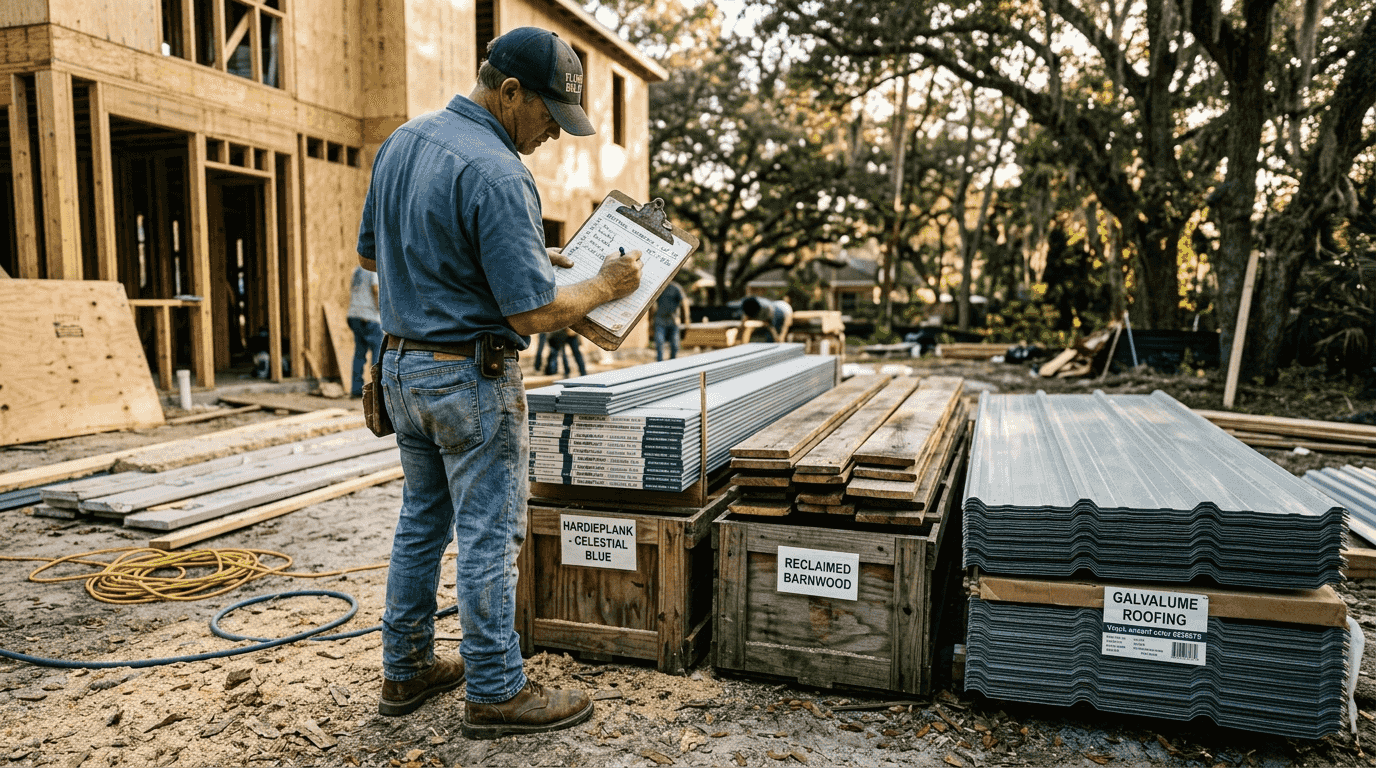
Building materials and construction techniques create significant price variations in tiny homes. Common options include wood framing, steel frames, and magnesium oxide boards, each with distinct costs and durability profiles. Steel frames resist Florida’s humidity and hurricane-force winds better than traditional wood, reducing long-term maintenance expenses. Magnesium oxide boards offer fire resistance and mold prevention, making them ideal for coastal climates.
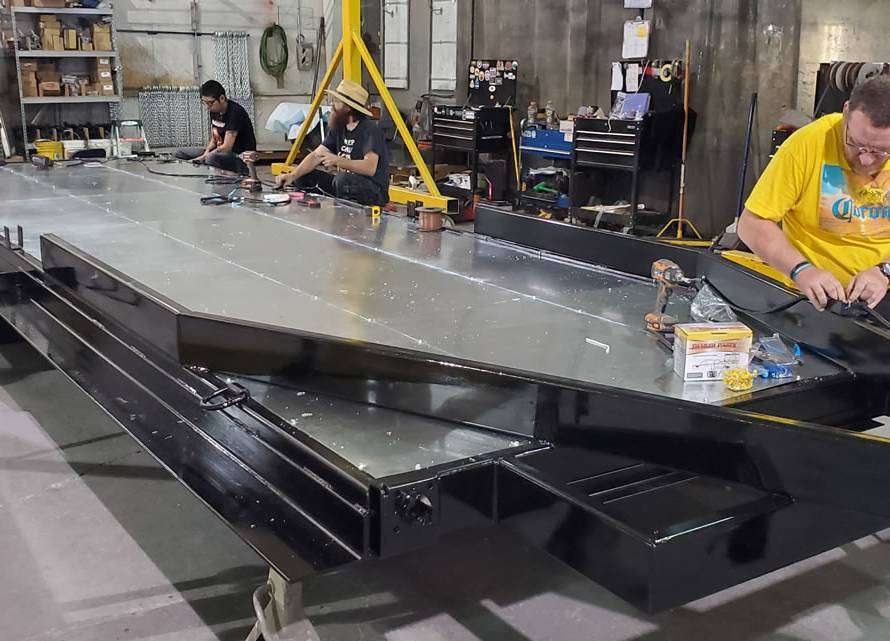
Prefabricated construction reduces labor costs and build time compared to stick-built methods. Factory assembly ensures consistent quality and faster delivery, which can lower overall project expenses. This approach also minimizes weather-related delays that often plague on-site construction in Florida’s unpredictable climate.
Sustainable materials typically cost more upfront but deliver savings over time. Eco-friendly park model tiny homes use recycled steel and low-VOC finishes that reduce environmental impact while cutting utility bills. Energy-efficient insulation and HVAC systems lower monthly costs, offsetting higher initial investments within a few years.
Energy-efficient designs increase tiny home value and comfort. Double-pane windows, reflective roofing, and high-R-value insulation keep interiors cool during Florida summers without excessive air conditioning. These features also improve resale appeal for eco-conscious buyers.
Material options and their cost implications:
- Steel framing: Higher upfront cost, superior durability in hurricanes
- Wood framing: Lower initial price, requires more maintenance in humid climates
- Magnesium oxide boards: Mid-range cost, excellent mold and fire resistance
- Recycled materials: Moderate premium, aligns with sustainability goals
Pro Tip: Prioritize magnesium oxide board benefits for Florida builds. The material withstands humidity and hurricanes better than standard drywall, protecting your investment from costly repairs.
Understanding prefabricated home materials helps you evaluate quality and longevity. Ask builders about material sourcing and warranties to ensure you’re getting value for your money.
Customization, size, and design options shaping your tiny home’s price
Floor plan size directly impacts construction costs and zoning compliance. Larger builds require more materials, labor, and foundation work, driving up expenses. Some Florida counties mandate minimum square footage that forces buyers into bigger models than they originally planned. Balancing size with budget and local requirements is essential for first-time buyers.
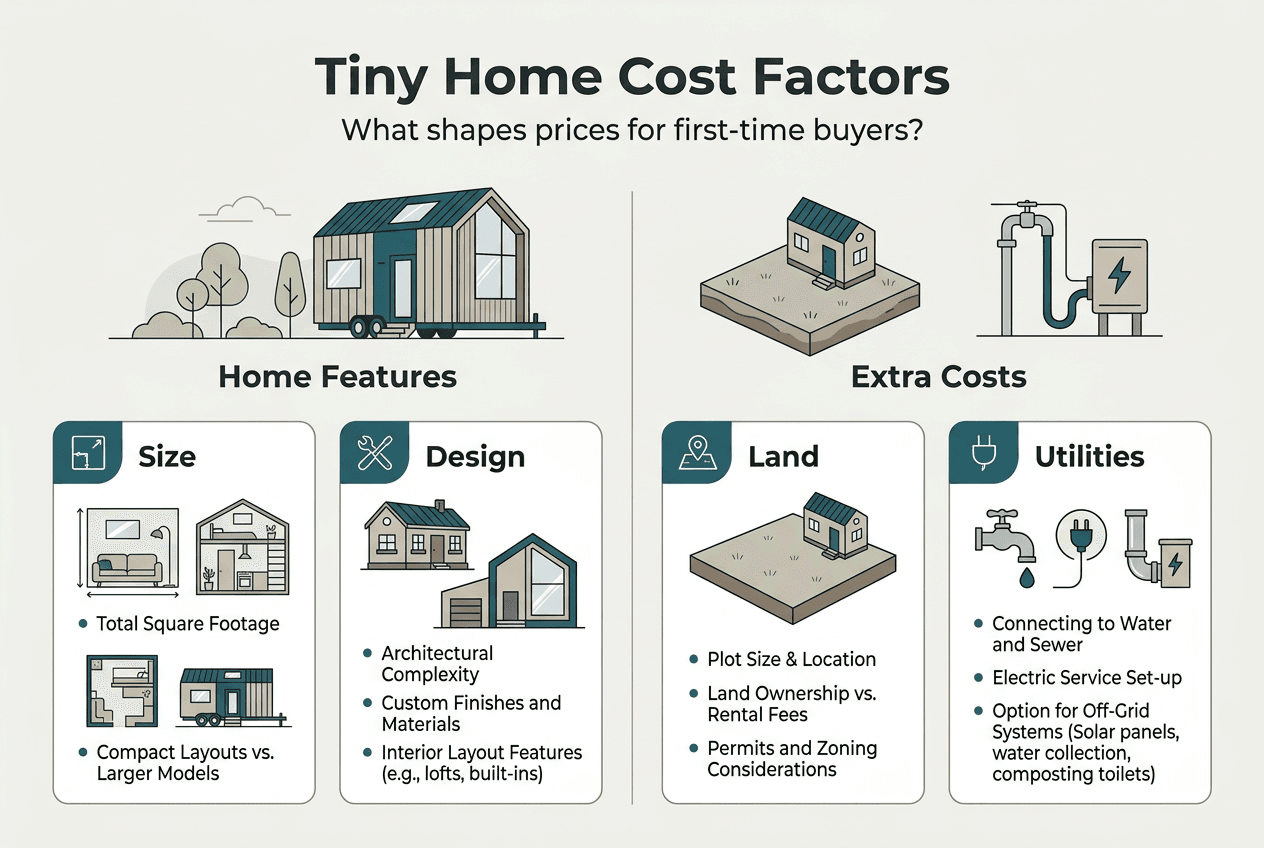
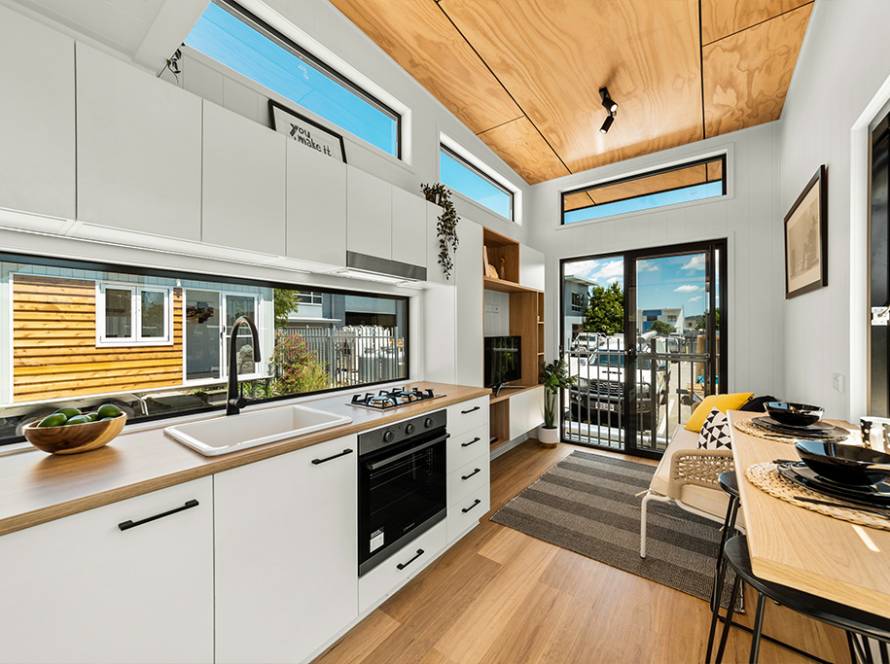
Customization options range from basic finishes to premium smart home features. Built-in furniture, high-end appliances, and custom cabinetry add thousands to your final price. However, these upgrades improve daily comfort and increase resale value when designed thoughtfully. Prioritizing must-have features over nice-to-haves keeps costs manageable.
| Size Range | Base Cost | Common Customizations | Total Estimated Cost |
|---|---|---|---|
| 200-300 sq ft | $40,000-$55,000 | Basic finishes, standard appliances | $45,000-$60,000 |
| 300-400 sq ft | $55,000-$75,000 | Mid-range finishes, smart thermostat | $65,000-$85,000 |
| 400-500 sq ft | $75,000-$95,000 | Premium finishes, built-ins, solar panels | $90,000-$120,000 |
Steps to prioritize customization within budget:
- List essential features that match your lifestyle and climate needs
- Research park model tiny home costs in Florida to establish realistic baselines
- Separate must-haves from upgrades you can add later
- Allocate 10-15% of your budget for unexpected customization costs
- Consult builders about phased upgrades to spread expenses over time
Design decisions affect both immediate costs and long-term satisfaction. Open floor plans maximize perceived space without adding square footage, while strategic window placement reduces cooling costs. Understanding park model tiny home terms helps you communicate effectively with builders and avoid misunderstandings about features and pricing.
Balancing personalization with budget constraints requires clear priorities. Focus on structural and efficiency upgrades first, then add aesthetic customizations as funds allow. This approach ensures your tiny home meets functional needs without breaking your budget.
Additional costs: land, permits, utilities, and ongoing expenses
Land costs vary dramatically across Florida regions, often exceeding the tiny home build price. Coastal and urban areas command premium prices, while rural counties offer more affordable options. Before buying land or signing a build contract, confirm the zoning rules for the specific address to ensure compatibility with your tiny home plans.
Building permits and inspections are mandatory expenses that fluctuate by jurisdiction. Some counties charge flat fees, while others calculate costs based on project value. Inspection requirements add time and money to your timeline, especially if modifications are needed to meet code. Budgeting for these expenses early prevents delays and financial stress.
Utility hookups represent significant upfront and ongoing costs. Water, sewer, electricity, and HVAC installation can range from $5,000 to $20,000 depending on site conditions and distance from existing infrastructure. Monthly utility bills add to your cost of ownership, though energy-efficient designs reduce these expenses over time.
| Cost Category | Typical Range in Florida | Notes |
|---|---|---|
| Land purchase | $15,000-$100,000+ | Varies widely by region and zoning |
| Building permits | $500-$3,000 | Depends on county and project scope |
| Utility hookups | $5,000-$20,000 | Higher for remote locations |
| Foundation/pad | $3,000-$8,000 | Required for permanent placement |
| Insurance (annual) | $800-$1,500 | Florida rates reflect hurricane risk |
Ongoing expenses beyond the initial build include property taxes, insurance, and maintenance. Florida’s hurricane risk increases insurance premiums compared to other states. Regular maintenance like roof inspections and HVAC servicing protects your investment and prevents costly emergency repairs.
Key considerations for additional costs:
- Research land prices in multiple Florida counties to find affordable options
- Contact local building permit offices for accurate fee schedules
- Factor in utility installation costs when evaluating land parcels
- Review Florida zoning rules and permits to understand jurisdiction-specific requirements
Pro Tip: Budget 15-25% extra beyond build price for these expenses to avoid surprises. Many first-time buyers underestimate land and permit costs, leading to budget overruns and project delays.
Explore affordable park model tiny homes with Ecolife Homes
Understanding tiny home pricing factors is the first step toward making an informed purchase. Ecolife Homes offers customizable, eco-friendly park model tiny homes designed specifically for Florida’s climate and zoning requirements. Our steel-framed builds withstand hurricanes and humidity while delivering the sustainability and affordability first-time buyers need.
We handle everything from permits to final installation, eliminating the stress of coordinating multiple contractors. Our transparent pricing and detailed guidance help you budget accurately from day one. Whether you’re seeking a cozy retreat or a spacious family home, our models balance quality, customization, and cost-effectiveness. Explore park model tiny home costs in Florida and discover the advantages of park model tiny homes that make them ideal for Florida living. Visit Ecolife Homes to start planning your dream tiny home today.
Frequently asked questions
How much does a tiny home typically cost in Florida?
Tiny home prices in Florida typically range from $40,000 to $100,000 depending on size, materials, and customization level. Land and permits can add $20,000 to $50,000 or more, especially in counties with strict zoning rules. Minimum dwelling size requirements in some areas force buyers into larger, more expensive builds. Total project costs often reach $70,000 to $150,000 when including all expenses. Explore affordable tiny homes in Florida to compare options and pricing.
What zoning restrictions affect tiny home placement in Florida?
Many Florida areas enforce minimum dwelling sizes that conflict with compact tiny house dimensions, sometimes requiring 1,000 square feet or more. Zoning laws determine whether you can place a tiny home on residential, agricultural, or recreational land. Some counties restrict mobile or park models to designated communities, limiting placement flexibility. Researching county-specific codes before purchasing land prevents costly mistakes and ensures compliance.
Are eco-friendly materials more expensive for tiny homes?
Eco-friendly materials typically increase upfront costs by 10-20% compared to standard options. However, they reduce maintenance expenses and utility bills over time, often recovering the premium within five to seven years. Sustainable features like recycled steel and energy-efficient insulation align with the environmental goals common among Florida tiny home buyers. These materials also improve resale value as demand for eco-friendly tiny home materials continues growing.
Do I need a special permit for a tiny home in Florida?
Yes, Florida requires building permits for tiny homes just like traditional houses. Permit costs vary by county, typically ranging from $500 to $3,000 depending on project scope and location. Inspections ensure compliance with building codes, electrical standards, and hurricane resistance requirements. Some jurisdictions have streamlined processes for park models, reducing approval time and complexity. Contact your local planning department early to understand specific permit requirements and fees.
Can I finance a tiny home like a traditional house?
Financing options for tiny homes differ from traditional mortgages. Many lenders classify park models as RVs or personal property, requiring personal loans or RV financing with higher interest rates. Some credit unions and specialized lenders offer tiny-home-specific loans with more favorable terms. Larger builds on permanent foundations may qualify for conventional mortgages if they meet minimum size requirements. Exploring multiple financing options helps you secure the best rates and terms for your situation.
Recommended
- Park Model Tiny Home Costs in Florida – Ecolife Homes – Park Model Home Manufacturer – Florida – USA
- How to Buy a Tiny Home in Florida: Step-by-Step Guide – Ecolife Homes – Park Model Home Manufacturer – Florida – USA
- Florida Park Model Tiny Homes: Complete Buyer’s Guide (2026) – Ecolife Homes – Park Model Home Manufacturer – Florida – USA
- Best Park Model Tiny Homes for Florida Living – Ecolife Homes – Park Model Home Manufacturer – Florida – USA