Best Places to Put a Tiny Home in Florida in 2026
Best Cities Counties and Zoning Friendly Areas
If you are serious about buying a tiny home in Florida, there is one question that matters more than anything else.
Where can you actually put it legally?
This is where most people get stuck. Not because tiny homes are illegal, but because Florida does not have one simple rule that applies everywhere. Every county, every city, and sometimes even each neighborhood can have different zoning requirements.
That means the difference between success and frustration often comes down to choosing the right location before you do anything else.
At ecolifehomes.com, we talk to buyers every day who already love the idea of tiny living but are unsure where they can place their home. This guide is built to give you real clarity so you can move forward confidently in 2026.
Why Location Matters More Than the Tiny Home Itself
You can have the perfect tiny home, fully designed and ready to go, but if your land is not zoned correctly, you cannot legally live in it.
That is the part most people underestimate.
Florida does not have a single statewide zoning rule for tiny homes. Instead, regulations are controlled locally, which means you always have to look at the specific county or city you are considering
On top of that, tiny homes fall into different legal categories. Some are treated as accessory dwelling units, some as RVs, and some as full residential structures. Each classification affects where you can place them
So instead of asking where tiny homes are allowed in general, the better question is where they are easiest to place.
The Three Types of Tiny Home Friendly Areas
Across Florida, most tiny home friendly locations fall into three main categories.
The first is rural and agricultural counties. These areas tend to have more flexible zoning and fewer restrictions.
The second is suburban areas that allow accessory dwelling units. These are becoming more common as housing demand increases.
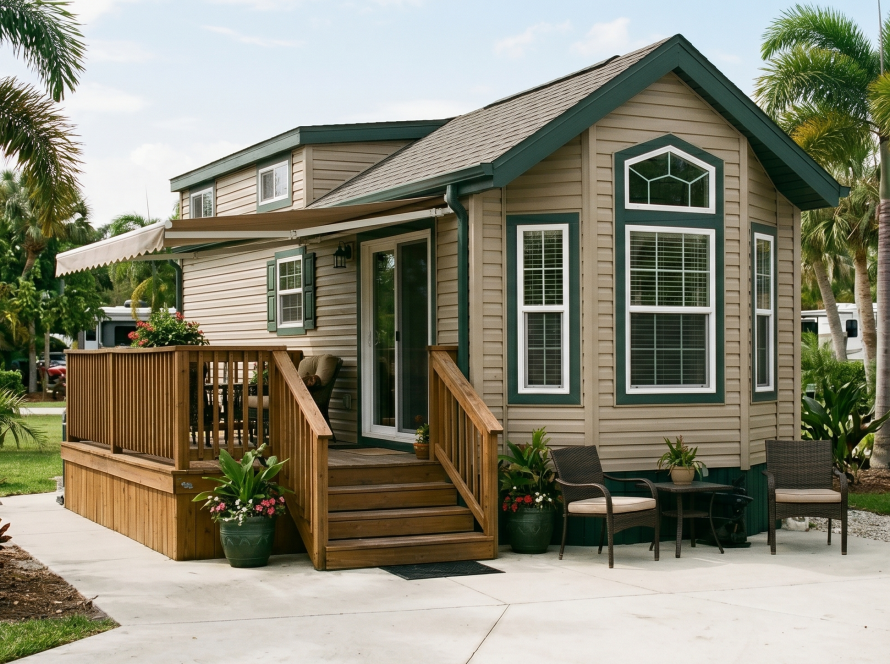
The third is planned communities and RV parks that are already approved for park model homes.
Understanding these three categories will help you narrow down your options quickly.
Best Tiny Home Friendly Counties in Florida for 2026
Some counties stand out because they consistently offer more flexibility.
In North and Central Florida, counties like Alachua, Levy, Putnam, and Suwannee are often more open to alternative housing. These areas tend to allow tiny homes as primary residences or through simpler permit processes compared to dense urban regions
Suwannee County in particular has gained attention because it welcomes smaller homes with standard permitting rather than restrictive zoning barriers.
Putnam County offers flexible agricultural zoning, which makes it easier to place a tiny home on private land.
Levy County is another strong option for buyers who want space, lower land costs, and fewer restrictions.
These areas may not be as close to major cities, but they offer something more valuable, which is freedom to actually use your home.
Central Florida Growth Areas with Opportunity
Central Florida is becoming one of the most interesting regions for tiny homes.
Counties like Orange County and Osceola County are adapting as housing demand increases. In some areas, tiny homes can be placed as accessory dwelling units or within planned developments
Cities like Orlando are not fully unrestricted, but they are moving toward more flexibility. Legality depends on zoning and whether the home meets building codes or is placed in approved areas
Seminole County is another area to watch. Cities like Longwood, Oviedo, and Casselberry have shown openness to smaller homes, especially when they meet local standards
This region offers a balance between opportunity and accessibility. You are closer to major job markets while still having options for tiny living.
Coastal and Urban Areas What to Expect
Coastal counties and major cities are the most challenging.
Areas like Miami-Dade, Palm Beach, and parts of Tampa Bay often have stricter zoning, higher land costs, and additional requirements related to hurricanes, flood zones, and building codes.
That does not mean tiny homes are impossible, but it does mean you need to approach these areas differently.
In most cases, the easiest path in coastal regions is through approved communities or RV parks.
Some counties also allow accessory dwelling units, but you will need to follow stricter guidelines related to size, setbacks, and design.
If your goal is flexibility and affordability, these areas are usually not the first place to start.
One County That Stands Out Brevard County
Brevard County is one of the most unique examples in Florida.
It has taken steps to recognize tiny homes more clearly than many other areas. In some cases, tiny homes on wheels can even be registered as primary residences under local codes
There are also existing tiny home communities in places like Cocoa, which makes the process even easier for buyers who want a ready-to-go solution
This type of approach is not yet widespread across Florida, but it shows where things are heading.
Panhandle Opportunities You Should Not Ignore
The Florida Panhandle is often overlooked, but it offers real opportunities.
Counties like Escambia have even explored allowing tiny homes under specific ordinances, including smaller units under 400 square feet
Land is generally more affordable in this region, and zoning can be more flexible compared to high-density areas.
If you are open to living slightly outside major metro areas, the Panhandle can be one of the smartest choices financially.
The Easiest Option Tiny Home Communities
If you want the simplest path, communities designed for tiny homes are the best option.
These locations are already zoned correctly, utilities are in place, and you avoid most of the legal uncertainty.
Florida has a growing number of these communities spread across regions like Central Florida, the Gulf Coast, and the Space Coast
For many buyers, this is the fastest way to start living in a tiny home without dealing with zoning challenges.
At ecolifehomes.com, many customers choose this route first and then explore private land later.
Backyard Tiny Homes A Growing Trend in 2026
One of the biggest changes happening right now is the rise of accessory dwelling units.
In 2026, Florida is moving toward expanding backyard housing options. New legislation is pushing to allow homeowners to build small secondary homes on their property more easily
This means more opportunities to place a tiny home legally in residential areas.
However, rules still vary by city and county, so it is important to check local requirements before making plans.
This trend is important because it is likely to reshape the market over the next few years.
Where You Should Be Careful
Not every location that looks good on paper will work in reality.
Some areas have minimum square footage requirements that make smaller homes difficult to approve.
Others restrict tiny homes on wheels to temporary use only, since they are classified as RVs
Flood zones, hurricane regulations, and coastal restrictions can also add complexity, especially in waterfront areas.
This is why doing your research before buying land is so important.
How to Choose the Right Location for Your Tiny Home
Start by deciding what matters most to you.
If your priority is flexibility and lower cost, rural counties are usually the best option.
If you want access to jobs and city life, look at suburban areas that allow accessory dwelling units.
If you want simplicity and speed, choose a community that is already approved.
Each option has tradeoffs, and the right choice depends on your lifestyle and goals.
Real Strategy That Works for Most Buyers
The smartest approach is not to start with the home. It is to start with the land.
Find a location where zoning works in your favor.
Then choose the type of tiny home that fits that location.
At ecolifehomes.com, we often see buyers do the opposite, and it creates unnecessary problems.
When you flip the process, everything becomes easier.
The Future of Tiny Home Locations in Florida
Florida is changing.
As housing costs rise, more counties and cities are being pushed to consider alternative housing options.
Accessory dwelling units are expanding.
Tiny home communities are growing.
And more local governments are starting to recognize the demand for smaller, more affordable homes.
This means that the number of tiny home friendly areas is likely to increase over time.
For buyers who understand the landscape early, there is a real opportunity.
Final Thoughts
Finding the best place to put a tiny home in Florida is not about guessing. It is about understanding zoning, choosing the right region, and making decisions in the right order.
The easiest areas are rural counties and approved communities.
The most balanced areas are growing suburban regions.
The most challenging areas are dense coastal cities.
If you approach it correctly, tiny home living in Florida is absolutely achievable.
At ecolifehomes.com, we focus not just on building high quality homes, but helping buyers navigate the real challenges that come with them.
Because in the end, the best tiny home is not just the one you buy. It is the one you can actually live in.