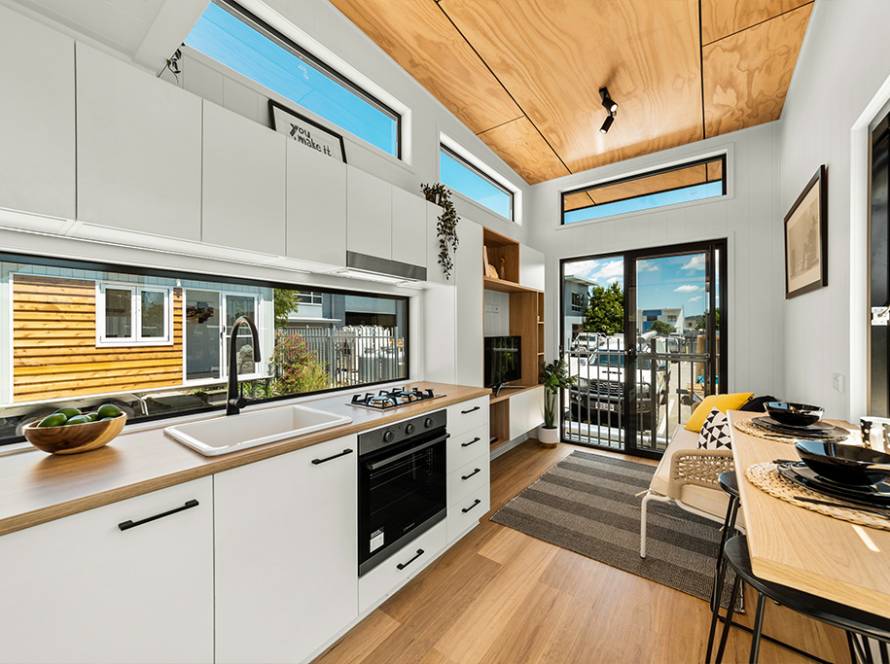
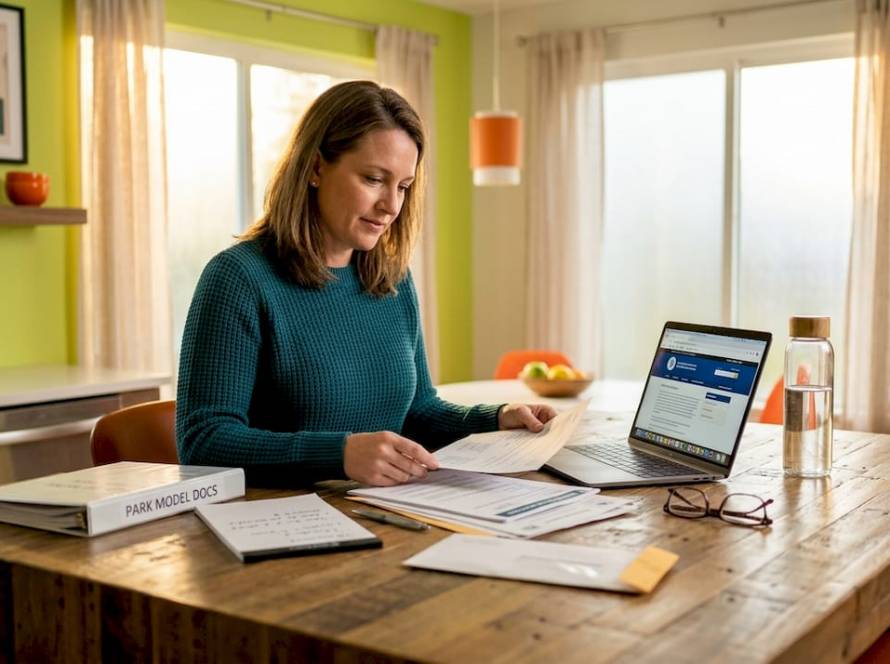
What States Allow Park Model Homes in Communities?
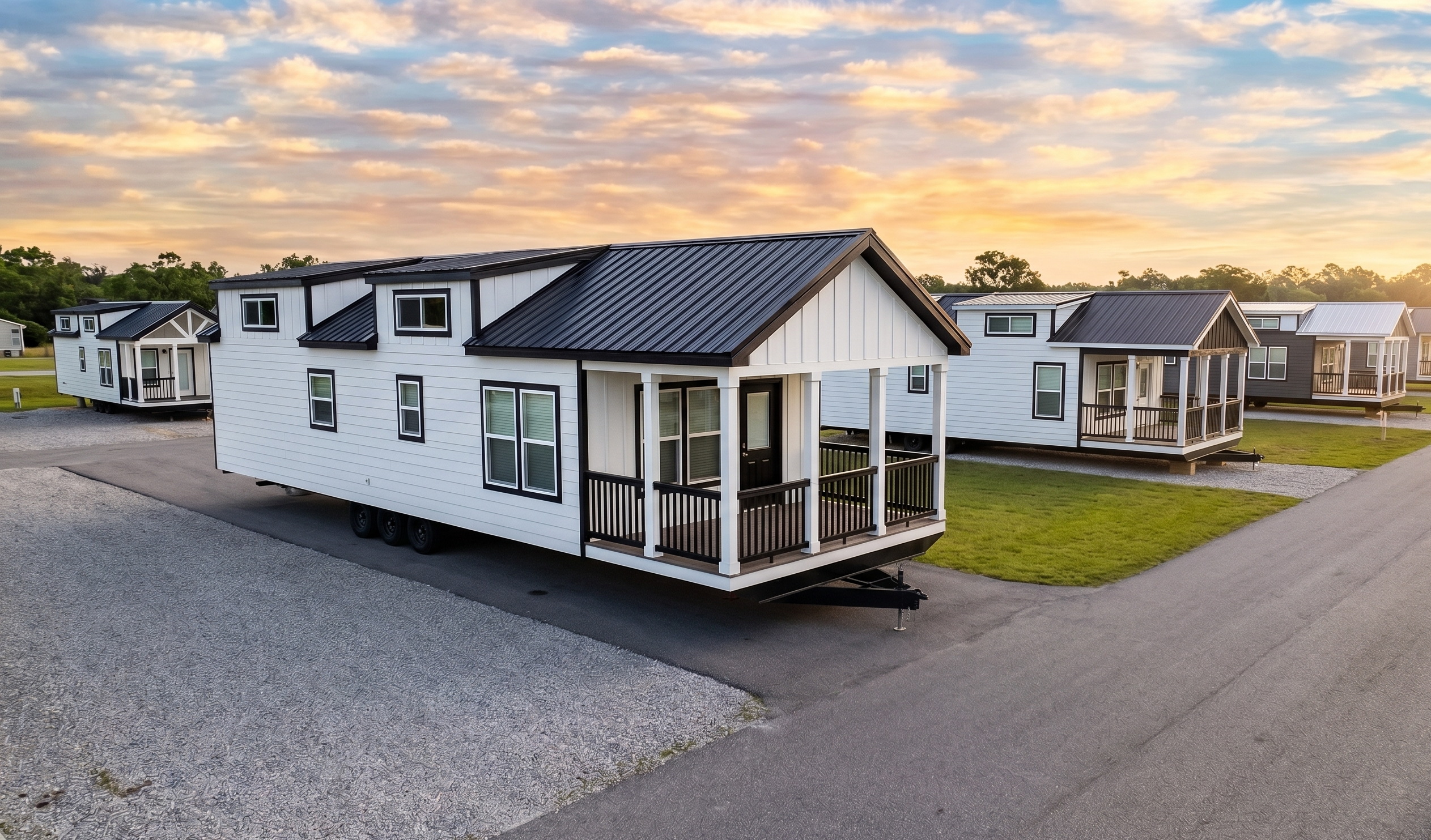
A Practical Guide to Where You Can Actually Live in One
Anyone who has spent more than a few minutes researching park models eventually runs into the same wall of confusion. Some websites suggest you can place one almost anywhere. Others list dozens of restrictions that seem to contradict each other. State park model associations publish different information than county building departments. And the rules in 2026 are noticeably different than what was written in articles from even a few years ago.
The reality is that park model regulation is one of the most fragmented areas of housing in the country. The federal government classifies these homes as recreational vehicles, which means there is no single national standard governing where they can be placed. Every state handles park model placement differently, and within each state, individual counties and cities often have their own additional rules.
For buyers planning ahead through 2026 and into 2027, understanding the regulatory map matters as much as understanding the homes themselves. The same $90,000 park model might be a permanent residence in one state, a seasonal vacation home in another, and essentially unusable in a third. Here is a practical look at where these homes actually work and why Florida has emerged as the clear leader in welcoming them.
The Federal Classification That Creates the Confusion
Park models are built to the ANSI A119.5 standard, which classifies them as recreational vehicles for federal purposes. This classification keeps them under 400 square feet of living space, exempts them from the HUD code that governs manufactured homes, and assigns them a different titling process than traditional houses.
Because they are technically recreational vehicles, federal law treats them as transportation rather than housing. That puts placement rules entirely in the hands of state and local authorities. Some states embraced park models as a flexible housing option decades ago and built clear pathways for their use. Others never developed dedicated rules, leaving the homes in a regulatory gray zone where placement depends on local interpretation.
The practical effect is that buyers cannot simply ask whether their state allows park models. The honest answer is almost always that some communities allow them, some restrictions apply, and the details matter enormously.
Florida: The Gold Standard for Park Model Placement
Florida stands apart from every other state in how it has embraced park model homes. The combination of climate, retirement population, vacation property market, and well established regulatory frameworks makes Florida the most welcoming state in the country for park model living.
The numbers tell part of the story. Florida has hundreds of dedicated park model communities, with concentrations in central Florida, the Gulf Coast, the Atlantic coast, and increasingly in north central counties. The state hosts a larger population of full time and seasonal park model residents than any other state in the country, and the supporting infrastructure of dealers, installers, parts suppliers, and service providers reflects that scale.
Florida law allows park models in licensed park model communities, mobile home parks that accept park models, RV resorts in many configurations, and on private land in counties with permissive zoning. The Florida Department of Highway Safety and Motor Vehicles handles titling, the Department of Health oversees septic and water systems where applicable, and local building departments handle setup permits and inspections.
Year round occupancy is permitted in most communities, which separates Florida from states where park models can only be used seasonally. This makes Florida uniquely suitable for permanent retirement living, full time residence by working adults, and long term vacation property ownership.
For 2026 and 2027 buyers, the Florida advantage extends beyond regulation. The community infrastructure, the resale market, and the availability of supporting services all benefit from the state’s leadership in this housing category.
Regional Park Model Communities Across Florida
Within Florida, certain regions have developed particularly strong park model communities. Understanding the geography helps buyers find the right location for their lifestyle.
Central Florida around Orlando, Lakeland, and Sebring contains some of the largest and most established park model communities in the country. These areas offer mild winters, easy highway access, proximity to attractions, and a wide range of community amenities. Communities here often include golf courses, swimming pools, clubhouses, planned activities, and active resident populations.
The Gulf Coast from Tampa down through Fort Myers and Naples offers communities that combine park model living with beach proximity. These areas tend toward higher end communities with significant amenity packages, and prices for both units and lot rents run higher than inland alternatives.
North central Florida, including areas around Ocala, Gainesville, and into the rural counties west of there, has emerged as a growing region for park model placement in 2026. Land is more affordable, several counties have welcoming zoning, and buyers can sometimes place park models on owned land rather than in lease communities. This region is attracting buyers who want park model living without the lot rent commitment.
The Atlantic coast from Daytona Beach down through the Treasure Coast offers a mix of established communities and newer developments. Hurricane considerations and insurance availability vary along this coast, which buyers should research carefully.
The Keys and far south Florida have park model communities, though placement options are more restricted by environmental regulations and limited land availability. Communities that do exist in this region tend toward high end pricing.
The Florida Panhandle from Pensacola to Tallahassee offers a different climate profile with cooler winters and lower humidity than the peninsula. Park model communities here serve a different buyer demographic than the south Florida snowbird market.
The Southeast Beyond Florida
Several other southeastern states allow park models with varying degrees of friendliness.
South Carolina has a growing park model community presence, particularly along the coast around Myrtle Beach and Hilton Head, and in the upstate region near Greenville. The state generally allows park models in licensed communities and has been gradually expanding zoning flexibility for placement on private land.
North Carolina takes a similar approach, with park model communities concentrated in the mountains around Asheville and along the coast. Mountain communities tend to be more seasonal due to winter weather, while coastal communities support more year round use.
Georgia allows park models in established communities throughout the state, with concentrations near Savannah, in the northern mountains, and around major recreation areas. Georgia’s regulatory environment is moderately welcoming, though placement on private land outside of communities can be more difficult depending on the county.
Alabama and Mississippi allow park models in communities, primarily along the Gulf Coast and around major lakes. Both states have smaller park model populations than Florida but offer affordable options for buyers willing to look beyond the most popular destinations.
Tennessee has seen growth in park model communities particularly around the Smoky Mountains and the lakes region. The state’s mild summers make it attractive as a summer destination for buyers who want to escape Florida heat while maintaining a park model lifestyle.
The Southwest and Mountain Regions
Arizona has been Florida’s main competitor for snowbird park model living for decades. The state hosts large communities particularly around Phoenix, Mesa, Yuma, and Tucson. Arizona allows year round occupancy in most park model communities, and the dry climate appeals to buyers who find Florida humidity challenging.
The Arizona market has matured significantly through 2025 and into 2026, with established communities offering similar amenity packages to their Florida counterparts. Some buyers split time between Arizona and Florida, maintaining park models in both states for different seasons.
Nevada allows park models in licensed communities, though the regulatory environment is more restrictive than Arizona. Communities exist around Las Vegas, Reno, and Lake Mead, with smaller populations than Arizona or Florida.
Utah, Colorado, and New Mexico all allow park models with varying restrictions. Mountain communities in these states are often seasonal due to winter conditions, and year round occupancy can be limited by both regulation and practical climate considerations. Colorado in particular has tightened some short term rental rules in resort areas, which affects park model use cases in mountain towns.
Texas allows park models broadly, with significant communities along the Gulf Coast around Brownsville, Corpus Christi, and Galveston, in the Hill Country around Austin and San Antonio, and in East Texas lake regions. The Rio Grande Valley specifically has hosted large snowbird populations for decades, though regulatory and infrastructure quality varies widely between communities.
The Northern Seasonal Markets
A significant cluster of states allows park models primarily as seasonal residences, with restrictions on year round occupancy. These markets work differently than Florida but serve real needs for buyers who want vacation properties or summer homes.
Michigan has substantial park model communities throughout the lower peninsula and along the Great Lakes. Most communities operate seasonally from spring through fall, with units closed for the winter months. Buyers in these communities typically combine their Michigan park model with a winter residence elsewhere, often in Florida.
Wisconsin and Minnesota follow similar patterns, with park model communities concentrated around lakes and recreation areas. The seasonal model is well established, and many communities have decades of operating history.
Indiana, Ohio, and Pennsylvania all have park model communities, primarily serving as second homes or seasonal residences. These markets are smaller than the Great Lakes states but offer affordable entry points for buyers looking for vacation properties.
New York allows park models in licensed communities, with concentrations in the Catskills, Adirondacks, and along Lake Erie. The seasonal nature of most communities means year round occupancy is uncommon. New Jersey has a smaller park model presence, primarily along the coast and in the Pine Barrens region.
The New England states all allow park models in licensed communities, though their populations are smaller and most operate seasonally. Maine in particular has grown its park model community presence over the past decade, with units used heavily during summer months.
The Pacific Northwest
Oregon and Washington both allow park models in licensed communities and increasingly on private land for accessory dwelling unit purposes. Oregon has been particularly progressive in allowing park models as legal accessory dwellings in certain zoning categories, which has expanded options for buyers wanting to place units on family property.
Washington has a strong park model community presence, particularly in eastern Washington where land is more affordable and zoning is more permissive. Western Washington communities exist but face higher land costs and more restrictive regulations.
Idaho allows park models with relatively flexible regulations, particularly in northern parts of the state. The growing population in places like Coeur d’Alene has increased interest in park model placement as an affordable housing option.
States That Are Genuinely Challenging
Several states make park model placement difficult either through restrictive state law, aggressive local zoning, or limited community infrastructure.
The northeastern states beyond what was mentioned tend to have fewer communities and more restrictive regulations. Massachusetts, Connecticut, and Rhode Island all allow park models in licensed communities but have limited options compared to other regions.
Hawaii has essentially no park model community infrastructure, and placement on private land faces significant regulatory hurdles. Buyers interested in Hawaii typically pursue different housing categories.
Alaska allows park models but the practical realities of climate, transport, and seasonal access mean they are uncommon and serve specific niche purposes when used.
Several Midwestern states have park model communities but with limited density and fewer amenities than buyers find in the larger markets. Iowa, Nebraska, Kansas, North Dakota, and South Dakota all permit park models but offer fewer community options for buyers wanting established infrastructure.
Why Florida Leads and What It Means for Buyers
The reasons Florida has emerged as the leading state for park model living go beyond favorable regulation. The state combines several factors that no other location matches.
Climate is the obvious starting point. Year round outdoor living is possible across most of Florida, which makes the small interior footprint of a park model far less limiting. Residents spend significant time on lanais, patios, and community amenities, which extends the effective living space dramatically.
The retirement and snowbird demographic creates enormous demand for park model communities. Florida has been a retirement destination for generations, and the infrastructure built to serve that population includes hundreds of communities specifically designed for park model lifestyles. Buyers benefit from established community management, professional services, and resale markets that simply do not exist at the same scale in other states.
The cost structure works for buyers across income ranges. Compared to traditional Florida housing in similar communities, park models offer substantial savings. Lot rents in established communities typically range from $500 to $1,200 per month in 2026, which combined with the lower unit cost creates total housing costs significantly below traditional alternatives.
The regulatory environment is mature. Florida counties have decades of experience with park model placement, building departments understand the process, and installers know how to work with local requirements. This maturity reduces friction at every stage of buying and placing a unit.
Insurance availability, while tightening in coastal areas through 2026, remains broader in Florida than in most other states. The market for park model insurance exists at scale because the population of insured units is large.
Looking Ahead to 2026 and 2027
The park model regulatory landscape continues to evolve, and several trends are worth watching as buyers plan for 2026 and 2027.
Florida counties in 2026 have generally maintained or expanded their welcoming approach to park models, with several inland counties considering further zoning updates that would expand placement options on private land. Citrus, Levy, Marion, Sumter, and Polk counties have all signaled interest in supporting additional park model housing as part of broader affordable housing initiatives heading into 2027.
Coastal areas across multiple states are seeing tighter insurance markets, which affects park model placement decisions in hurricane and flood prone areas. Buyers planning coastal placement in 2026 and 2027 should verify insurance availability and pricing before committing to specific locations.
The accessory dwelling unit movement, which has expanded in several western states, is beginning to recognize park models as legitimate housing options. This trend could expand placement opportunities significantly if it continues through 2027, though the pace of regulatory change varies widely by state and locality.
Florida’s leadership position seems likely to strengthen rather than weaken, with several factors converging to maintain its advantage. Continued migration into the state, ongoing demand for affordable housing options, the maturity of the supporting infrastructure, and the regulatory framework all point toward Florida remaining the most attractive state for park model living through 2026 and 2027.
Choosing the Right State for Your Situation
For buyers weighing where to place a park model, several questions help clarify the decision.
If year round occupancy is the goal, Florida, Arizona, Texas, and parts of the southeast offer the most flexibility. Year round living in northern states is possible in some communities but increasingly limited by community rules and practical climate factors.
If seasonal use is the plan, the menu of options expands dramatically. Buyers can choose locations based on lifestyle preferences, family proximity, and the climate they want to escape to or from rather than being limited by regulatory considerations.
If the unit is intended as an investment property generating short term rental income, the regulatory environment matters enormously. Florida communities that allow short term rentals create income opportunities that simply do not exist in states with more restrictive rules. Researching specific community policies in addition to state law is essential for rental focused buyers.
If the goal is placement on owned private land rather than in a community, options narrow considerably. The southeastern states, particularly Florida’s more rural counties, parts of Texas, Arizona, and Oregon offer the most flexibility for this approach. Most other states severely restrict private land placement of park models.
The Florida Advantage for EcoLife Homes Buyers
Building park models in Florida for Florida buyers gives our work at EcoLife Homes a focus that matters for the people we serve. Our units are engineered for Florida humidity, Florida storms, and Florida summers. Our installer relationships span the counties where most of our buyers want to place units. Our knowledge of community options, lot lease structures, and regulatory pathways comes from years of working in this specific market.
Buyers who choose Florida for their park model living are choosing the state where this category of housing works best. The communities are deep, the regulations are clear, the supporting services exist at scale, and the climate cooperates with the small footprint lifestyle in ways that other states cannot match.
If you are working through the decision about where to place a park model for 2026 or 2027 living, the EcoLife Homes team is here to help you think through the specific Florida options that fit your goals. The conversation tends to be more productive when buyers have a clear sense of what lifestyle they actually want, but we are happy to start anywhere you are and help you work through the details.