First Time Tiny Home Buyer Guide: Everything You Need to Know
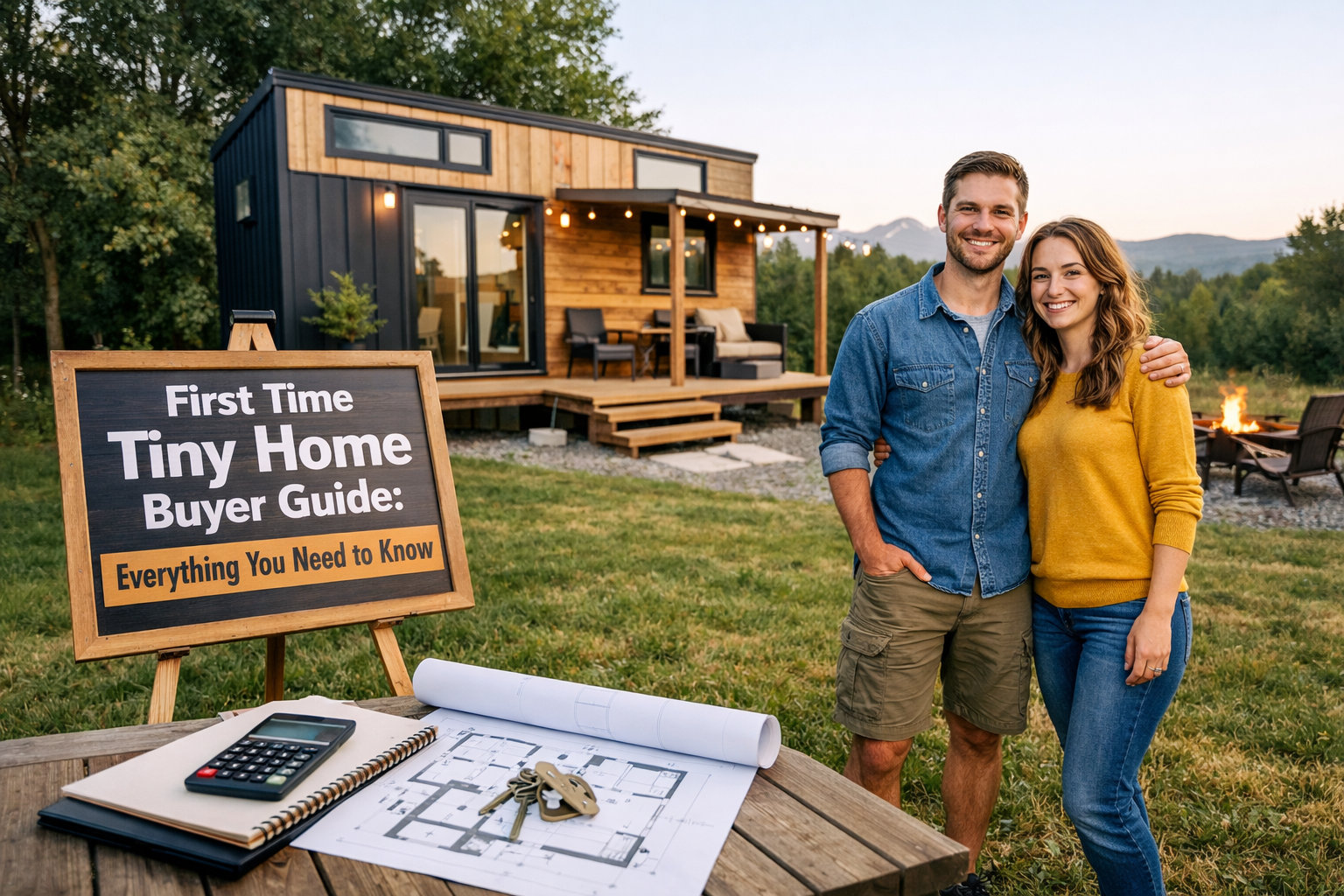
Buying your first home is a major milestone. For many people in recent years, that first home is no longer a large suburban house with multiple bedrooms and a big mortgage. Instead, a growing number of buyers are turning toward tiny homes as a practical and flexible way to enter the housing market.
The tiny home movement has grown significantly across the United States over the last decade, and Florida has become one of the most active regions for this type of housing. Rising home prices, higher insurance premiums, and changing lifestyle preferences have pushed many buyers to consider smaller, more efficient homes.
If you are a first time tiny home buyer, understanding how the process works can make the experience much easier. While tiny homes offer many advantages, there are also important details to understand before making a purchase.
Builders like ecolifehomes.com have been helping buyers navigate this process by designing modern tiny homes specifically suited for Florida living. This guide explains everything you should know before buying your first tiny home.
Why First Time Buyers Are Choosing Tiny Homes
Over the past few years, housing affordability has become one of the biggest challenges for buyers across the country. Florida in particular has experienced rapid population growth. According to data released in 2025, the state continues to rank among the fastest growing in the United States.
At the same time, the median home price in Florida climbed above $420,000, and insurance premiums increased significantly in several coastal counties. For many first time buyers, purchasing a traditional house has become increasingly difficult.
Tiny homes provide an alternative path to homeownership. With lower construction costs and smaller footprints, these homes allow buyers to own property without taking on the financial burden of a large mortgage.
Many buyers also appreciate the lifestyle benefits. Tiny homes encourage simpler living, lower expenses, and less time spent on maintenance.
Builders such as ecolifehomes.com have embraced this shift by creating modern tiny homes that combine efficient layouts with contemporary design.
Understanding What a Tiny Home Is
Before purchasing a tiny home, it is important to understand what qualifies as a tiny home.
Most tiny homes fall into one of two categories. Some are built on permanent foundations and function similarly to small houses. Others are built on trailer chassis systems, which allows them to be transported and placed in different locations.
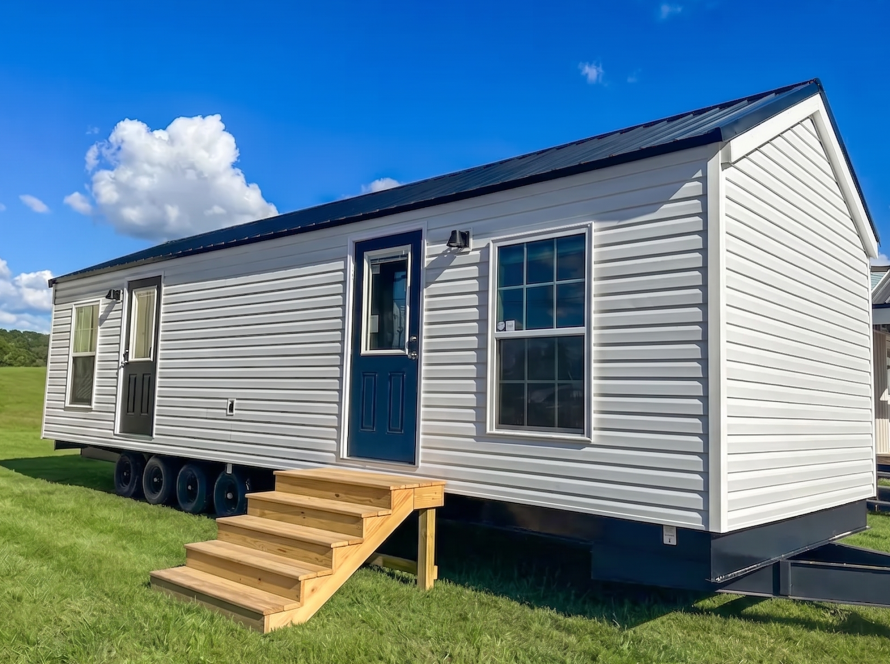
Homes built on trailer foundations are often referred to as park model homes. These structures usually remain under 400 square feet of interior space and are designed to comply with park model or RV standards.
Many buyers in Florida prefer park model homes because they offer flexibility in placement and installation.
Companies like ecolifehomes.com specialize in modern park model homes that provide comfortable living spaces while maintaining mobility and structural strength.
Choosing the Right Location in Florida
One of the most important decisions a first time tiny home buyer will make is where to place the home.
Florida offers several options depending on local regulations and personal preferences.
Some buyers choose to place their homes within RV parks or tiny home communities. These communities often provide infrastructure such as water connections, electricity, and sewer systems.
Other buyers prefer placing their homes on private land. This option offers more privacy but requires careful research into zoning regulations.
Different counties have different rules regarding tiny homes. For example, parts of North Florida near Tallahassee may offer more flexibility for tiny homes on private land, while some large cities have stricter zoning policies.
Builders like ecolifehomes.com often work with buyers throughout Florida and can help explain placement options depending on the location.
Selecting a Reliable Tiny Home Builder
The quality of the builder is one of the most important factors in the entire process.
Tiny homes must be built carefully to ensure durability, especially in Florida’s climate. The combination of humidity, intense sunlight, and occasional storms means that construction materials matter.
Many modern builders now use steel structural systems instead of traditional wood framing. Steel provides resistance to termites and performs well in humid environments.
Builders such as ecolifehomes.com have adopted steel framing techniques and durable exterior materials designed to handle Florida’s environmental conditions.
Before choosing a builder, buyers should review previous projects, design options, and construction methods.
Understanding Tiny Home Design and Layout
Tiny homes may be smaller than traditional houses, but good design can make them feel surprisingly spacious.
Modern layouts focus on open floor plans, natural light, and efficient storage solutions. Kitchens and living areas are often combined into one open space to maximize functionality.
Large windows, sliding glass doors, and high ceilings are also common features that help create a sense of openness.
Many homes designed by ecolifehomes.com incorporate contemporary layouts that balance comfort with efficient use of space.
When selecting a design, buyers should think carefully about how they plan to use the home. A full time residence may require different features than a seasonal vacation property.
Understanding the Costs of Tiny Homes
Tiny homes are typically far more affordable than traditional houses, but buyers should still understand the full cost structure.
In Florida, many tiny homes range between $60,000 and $120,000, depending on design and materials. High end models with luxury finishes may exceed $150,000.
However, the cost of the structure is only one part of the total investment.
Buyers should also consider transportation, installation, site preparation, and utility hookups.
Working with experienced builders like ecolifehomes.com can help buyers understand these costs before starting the project.
Transportation and Installation Process
Tiny homes built on trailer foundations must be transported from the manufacturing facility to their final location.
Professional transportation companies use specialized equipment to move the homes safely.
Once the home arrives at the site, it must be installed properly. Installation often involves leveling the home, connecting utilities, and securing the structure with anchoring systems.
In Florida, anchoring is particularly important because homes must be able to withstand strong winds during storm season.
Builders such as ecolifehomes.com often assist buyers throughout the delivery and installation process.
Energy Efficiency and Lower Living Costs
One of the biggest advantages of tiny homes is energy efficiency.
Because the homes are smaller, they require less energy for heating and cooling. This can significantly reduce monthly electricity bills.
Modern tiny homes often include high efficiency insulation, double pane windows, and energy efficient HVAC systems.
Some homes even incorporate smart home technology that allows residents to control temperature and lighting remotely.
Builders like ecolifehomes.com are incorporating these technologies into their designs to improve both comfort and sustainability.
Adapting to the Tiny Home Lifestyle
Living in a tiny home requires a different approach to daily life.
Many first time buyers discover that they do not need as many possessions as they once believed. Storage becomes more intentional, and living spaces become more organized.
Florida’s climate helps make this lifestyle transition easier. Outdoor living areas such as decks, patios, and shaded seating areas can extend the usable space of the home.
Homes designed by ecolifehomes.com often allow homeowners to integrate outdoor areas into their living space.
Future of Tiny Homes in Florida
Looking ahead to 2026 and 2027, the tiny home market is expected to continue growing.
Population growth, rising housing costs, and environmental awareness are all contributing to increased interest in compact housing solutions.
Developers are beginning to explore tiny home communities, eco friendly housing developments, and compact living neighborhoods across Florida.
Builders such as ecolifehomes.com are helping shape the future of this industry by combining modern architecture with durable construction methods.
These homes are designed to meet the needs of buyers who want affordable housing without sacrificing quality or style.
Final Thought ecolifehomes.com
Buying your first tiny home can be an exciting step toward a more flexible and intentional lifestyle. By understanding zoning rules, choosing a reputable builder, and selecting a design that fits your needs, first time buyers can successfully transition into tiny home living.
As Florida continues to grow and housing trends evolve, tiny homes are becoming an increasingly important part of the state’s housing landscape. Companies like ecolifehomes.com are helping make this transition easier by designing modern tiny homes that combine durability, efficient layouts, and contemporary design tailored specifically for Florida living.