Tiny house myths debunked: what buyers need to know
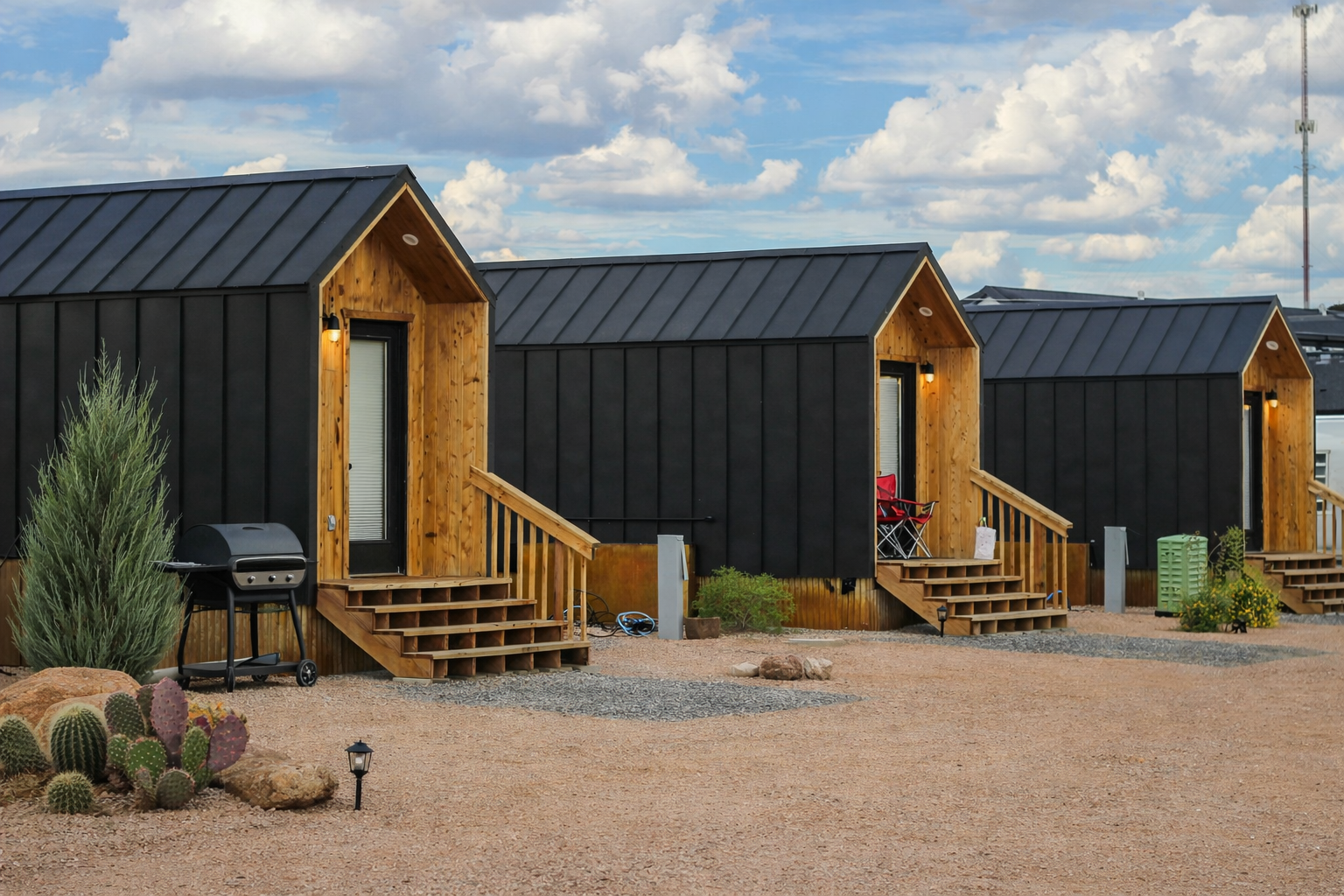
Tiny house living inspires big dreams, and it’s easy to see why. The promise of financial freedom, a smaller footprint, and a simpler lifestyle draws thousands of Americans toward this housing path every year. But separating fact from fiction isn’t always straightforward. Persistent myths about price, legality, lifestyle, sustainability, and financing can derail plans or cost buyers thousands of dollars. This article breaks down the five most common misconceptions so you can move forward with clear, realistic expectations.
Table of Contents
- Myth #1: Tiny houses are always cheap
- Myth #2: Tiny houses are legal everywhere
- Myth #3: Tiny living is easy for anyone
- Myth #4: Tiny houses are always more sustainable
- Myth #5: Financing is simple and widely available
- Tiny house myths at a glance: facts vs. fiction
- Ready to take the next step toward tiny living?
- Frequently asked questions
Key Takeaways
| Point | Details |
|---|---|
| Costs add up | Tiny home expenses often include land, permits, utilities, and more—not just the house itself. |
| Check local laws | Zoning and building codes vary widely, so always research before you buy or build. |
| Lifestyle fit matters | Successful tiny living requires significant adjustment and planning for your unique needs. |
| Green isn’t automatic | Sustainability benefits depend on thoughtful design and lifestyle choices. |
| Financing can be tricky | Traditional mortgages rarely apply; expect alternative loan types and stricter terms. |
Myth #1: Tiny houses are always cheap
The idea that tiny homes are automatically affordable is one of the most widespread beliefs in this space, and it’s only partially true. Initial costs range from $20,000 to over $100,000, depending on size, materials, customization, and whether you’re buying prefab or building from scratch. That’s a wide range, and the lower end rarely tells the full story.
Beyond the build price, buyers need to budget for land, permits, delivery, utility hookups, and ongoing monthly expenses. Understanding all the tiny home pricing factors before you commit is essential, because the sticker price is rarely the final number.
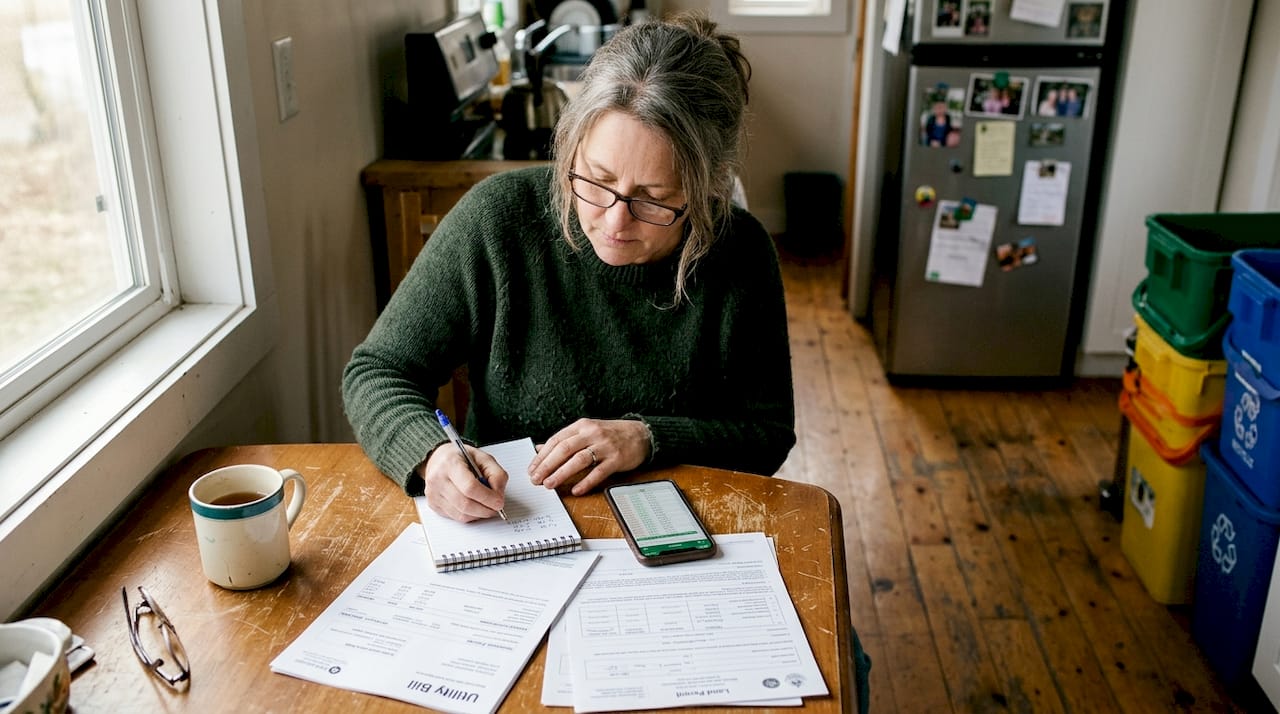
Here’s a breakdown of typical cost categories:
| Cost category | Estimated range |
|---|---|
| Home build or purchase | $20,000 to $100,000+ |
| Land lease or purchase | $500 to $2,000+/month |
| Permits and installation | $1,000 to $10,000 |
| Utility setup | $2,000 to $8,000 |
| Monthly living expenses | ~$1,000/month |
Long-term savings are absolutely possible, but they depend on smart planning, not just a smaller square footage. Reviewing park model tiny home costs in detail helps set realistic expectations from day one.
Key cost factors to watch:
- Land ownership vs. leasing significantly changes your monthly outlay
- Custom finishes and off-grid systems add to upfront costs
- Insurance for tiny homes can be harder to find and more expensive per square foot
- Property taxes vary widely depending on how the home is classified
Pro Tip: Calculate both your upfront purchase costs and your estimated monthly expenses, including insurance, taxes, and utilities, before signing anything. A tiny home that costs $50,000 to build can still run $1,200 a month to live in.
Now that expectations about cost are set, let’s address another widespread myth: legality.
Myth #2: Tiny houses are legal everywhere
Many buyers assume that because tiny homes are growing in popularity, they must be legal everywhere. That’s not the case. Zoning rules differ dramatically by city, county, and state, and some jurisdictions still have minimum square footage requirements that effectively ban tiny homes outright.
Many US municipalities classify tiny houses on wheels (THOWs) as recreational vehicles, which means they face the same restrictions as RVs, including limits on how long you can stay in one place. This catches a lot of buyers off guard. You can learn more about what to expect when buying a tiny house and navigating these rules.
Some of the most tiny-house-friendly states in 2026 include:
- Texas: Flexible zoning in many rural counties
- Colorado: Several cities have adopted tiny home ordinances
- Arizona: Warm climate and growing tiny home communities
- California: Progressive housing laws in select counties
| State | THOW friendly | Foundation home friendly | Notes |
|---|---|---|---|
| Texas | Yes | Yes | Rural areas most flexible |
| Colorado | Partial | Yes | City-by-city rules apply |
| Arizona | Partial | Yes | Check HOA restrictions |
| California | Partial | Yes | ADU laws help in some areas |
| New York | Limited | Partial | Strict minimum size rules |
Reviewing park model home legal tips before choosing a location can save you from costly mistakes. Park model homes, which are built to ANSI A119.5 standards, often have a clearer legal path than DIY THOWs.
Pro Tip: Call your local zoning office directly and ask about regulations for homes under 400 square feet and temporary or permanent residency rules. Don’t rely on general online guides alone.
With local rules in mind, let’s look closer at the lifestyle changes tiny living demands.
Myth #3: Tiny living is easy for anyone
Tiny living looks effortless on social media. In reality, moving into 100 to 400 square feet requires a genuine shift in how you think about space, possessions, and daily routines. It’s not just about owning less. It’s about living differently.
Downsizing and lifestyle adjustments are essential, especially for families or pet owners who need to plan carefully for privacy and comfort. Couples sharing a tiny space need to be intentional about personal boundaries. Remote workers need a dedicated workspace that doesn’t bleed into every other area of the home.
Common lifestyle challenges to prepare for:
- Limited storage requires ongoing decluttering habits
- Guests and social gatherings become more complicated
- Pets need outdoor access and space to move
- Children need defined areas for play, homework, and sleep
Here’s a practical approach to testing tiny living before you commit:
- Rent a tiny home or cabin for at least two weeks
- Track which possessions you actually use during that time
- Identify which daily routines feel cramped or unworkable
- Talk honestly with anyone who will share the space with you
“The biggest surprise for most people isn’t the size of the home. It’s how much the size of the home changes everything else.”
Exploring modern tiny house design ideas can help you visualize how smart layouts reduce friction in daily life. Well-designed eco-friendly tiny homes use every inch intentionally, which makes a real difference in livability.
Practical lifestyle adjustments go hand-in-hand with environmental goals. Next, let’s dispel myths about tiny house sustainability.
Myth #4: Tiny houses are always more sustainable
Tiny homes do use fewer materials and less energy than a standard 2,000-square-foot house. That part is true. But the sustainability story is more nuanced than most people realize.
Energy use per square foot can actually be higher in a tiny home because heating and cooling a small space isn’t always efficient, especially if the insulation or HVAC system isn’t designed well. Homes built on steel trailers and moved frequently can also add to emissions over time.
| Feature | Sustainable impact | Potential drawback |
|---|---|---|
| Small footprint | Less material use | Poor insulation offsets gains |
| Solar panels | Reduces grid dependence | High upfront cost |
| Composting toilets | Reduces water use | Regulatory restrictions in some areas |
| Mobility (THOW) | Flexible placement | Frequent moves increase fuel emissions |
Off-grid options like solar panels, rainwater collection, and composting toilets can significantly reduce your environmental footprint. But these systems face regulatory hurdles in many jurisdictions, and they add to your upfront costs.
What actually drives sustainability in tiny homes:
- Thoughtful design with proper insulation and passive ventilation
- Staying in one location rather than moving frequently
- Choosing durable, low-maintenance materials
- Reducing overall consumption, not just square footage
“True sustainability comes from a simpler lifestyle, not just a smaller building.”
Reviewing a solid tiny home sustainability guide helps you understand which design choices actually move the needle. It’s also worth comparing prefab vs traditional homes to see where the real environmental trade-offs lie.
Apart from lifestyle and eco factors, financing a tiny house is another misunderstood issue. Let’s clear it up.
Myth #5: Financing is simple and widely available
Many buyers assume they can walk into a bank and get a mortgage for a tiny home the same way they would for a traditional house. That’s rarely how it works. Standard mortgages require the home to meet specific size and permanency requirements that most tiny homes don’t meet.
Tiny home loans are harder to get and often come with higher interest rates. Most buyers end up using personal loans, RV loans, or paying cash. Each option has trade-offs.
Common financing paths for tiny homes:
- Personal loans: Accessible but carry higher interest rates, often 8% to 15%
- RV loans: Available for certified THOWs, but terms can be strict
- Builder financing: Some manufacturers offer in-house payment plans
- Cash purchase: The simplest path, but not realistic for everyone
Understanding your tiny home financing options early in the process saves time and frustration. If you’re exploring park model homes specifically, a detailed look at financing park model homes outlines the most practical routes available in 2026.
Pro Tip: Connect with tiny home communities or lenders who specialize in alternative housing. They understand the unique classification issues and can match you with loan products that standard banks won’t offer.
Now that each myth is debunked, see how the facts stack up with a summary comparison table.
Tiny house myths at a glance: facts vs. fiction
This quick-reference table helps you recall the key distinctions between what people commonly believe and what the evidence actually shows.
| Myth | The reality |
|---|---|
| Tiny homes are always cheap | Costs range from $20,000 to $100,000+, plus $1,000+/month in ongoing expenses |
| Tiny homes are legal everywhere | Zoning laws vary widely; THOWs are often classified as RVs with location limits |
| Tiny living is easy for anyone | Requires significant lifestyle changes, especially for families and pet owners |
| Tiny homes are always more sustainable | Sustainability depends on design, location stability, and lifestyle choices |
| Financing is simple and widely available | Standard mortgages rarely apply; most buyers use personal loans, RV loans, or cash |
Knowing where popular myths hold up and where they fall apart positions you to make your own best tiny home decision.
Ready to take the next step toward tiny living?
If this article helped you separate fact from fiction, you’re already ahead of most buyers. The next step is getting specific about your own situation, your budget, your location, and your lifestyle goals.
At Ecolife Homes, we’ve spent over 21 years in civil engineering and home construction building exactly this kind of clarity for our clients. Our park model tiny homes are fully customizable, compliant with local regulations across the USA, and delivered with end-to-end support from permits to installation. Start by reviewing tiny home cost details to understand what fits your budget. Then explore your payment and financing options to map out a realistic path forward. When you’re ready to see what’s possible, explore our park model designs and find the layout that fits your life.
Frequently asked questions
How much does it really cost to live in a tiny house?
A typical tiny house costs between $30,000 and $60,000 to build, with ongoing monthly expenses around $1,000 for land, utilities, taxes, and maintenance. The total cost of ownership is often higher than buyers initially expect.
Where are tiny houses legal in the US?
Tiny house legality depends entirely on local zoning codes and classifications. States with varied legality include Texas, Colorado, and California as more welcoming options, while others still enforce strict minimum square footage rules.
Are tiny homes really more environmentally friendly?
Tiny homes generally use less energy and fewer materials, but the sustainability impact depends heavily on design quality, insulation, and whether the home stays in one place or moves frequently.
Can I finance a tiny home with a regular mortgage?
Standard mortgages are rarely available for tiny homes because most don’t meet size or permanency requirements. Most buyers rely on personal or RV loans or pay cash outright.
Recommended
- First Time Tiny Home Buyer Guide: Everything You Need to Know – Ecolife Homes – Park Model Home Manufacturer – Florida – USA
- What to Know Before Buying a Tiny Home in 2026 – Ecolife Homes – Park Model Home Manufacturer – Florida – USA
- How to Buy a Tiny House – Ecolife Homes – Park Model Home Manufacturer – Florida – USA
- 27 Questions to Ask Before Getting a Tiny House Quote – Ecolife Homes – Park Model Home Manufacturer – Florida – USA