Sustainable housing guide: tiny & eco homes in 2026
Most people assume sustainable housing means spending a fortune on solar panels and smart systems. That assumption keeps a lot of Americans from ever exploring their options. The truth is, tiny homes have quietly become one of the most accessible paths to eco-friendly living, and they can reduce per capita greenhouse gas emissions by up to 70% compared to a conventional home. This guide breaks down what sustainable housing actually means, which features matter most, and how tiny homes fit into the picture for real buyers across the USA.
Table of Contents
- What is sustainable housing?
- Core features of sustainable homes
- Tiny homes: the most affordable path to sustainability?
- Key certifications and incentives for U.S. buyers
- What to consider before choosing sustainable or tiny home living
- Ready to explore your sustainable home options?
- Frequently asked questions
Key Takeaways
| Point | Details |
|---|---|
| Sustainable housing defined | Sustainable housing reduces environmental impact with efficient design, materials, and healthy living environments. |
| Tiny homes excel | Tiny homes can lower your carbon footprint by up to 70% and make eco-living affordable for more people. |
| Green certifications matter | Look for homes with recognized certifications like ENERGY STAR, NGBS, or LEED for the best incentives and savings. |
| Start with lifestyle fit | Assess your space needs and local regulations before committing to sustainable or tiny home living. |
What is sustainable housing?
Sustainable housing is any home designed, built, and operated to minimize its impact on the environment. That covers everything from the materials used during construction to how the home handles energy and water once you’re living in it. According to Georgetown’s Global Real Estate program, a truly sustainable home addresses energy use, water conservation, material sourcing, and indoor air quality together, not just one or two of those areas.
Buildings in the U.S. account for roughly 13% of national greenhouse gas emissions, which makes housing a meaningful lever for environmental progress. The good news is that sustainability isn’t reserved for large, expensive custom builds. A well-designed affordable home can hit the same benchmarks as a luxury green build when the right principles are applied from the start.
Here are the five core principles that define sustainable housing:
- Energy efficiency: Reducing the amount of power a home needs to stay comfortable
- Water conservation: Using fixtures and systems that cut water waste
- Waste reduction: Minimizing construction debris and operational waste
- Renewable materials: Choosing low-impact, responsibly sourced building products
- Healthy indoor air: Ventilating properly and avoiding toxic off-gassing materials
“Sustainable housing isn’t a single feature. It’s a system of choices that work together to lower a home’s footprint while keeping the people inside healthy and comfortable.”
Tiny homes often outperform larger builds on every one of these principles simply because there’s less space to heat, cool, and maintain.
Core features of sustainable homes
Knowing the principles is one thing. Seeing them in practice is what helps you evaluate a real home. The National Association of Home Builders identifies high insulation, airtight construction, passive design strategies, and renewable energy systems as the core methodologies behind energy-efficient homes.
Here’s how those features show up in an actual build:
- High-performance insulation: Keeps conditioned air inside and outdoor temperatures out, dramatically cutting heating and cooling costs.
- Airtight building envelope: Seals gaps and cracks so drafts don’t undermine your insulation investment.
- Passive solar design: Positions windows and overhangs to capture winter sun and block summer heat without any mechanical system.
- Solar PV panels: Generate clean electricity on-site, reducing or eliminating utility bills.
- Water-efficient fixtures: Low-flow faucets, dual-flush toilets, and smart irrigation cut water use without sacrificing comfort.
- Energy-efficient windows: Double or triple-pane glass with low-emissivity coatings reduces heat transfer significantly.
Certifications are the shortcut buyers use to verify that a home actually delivers on these features. The most recognized programs in the U.S. include ENERGY STAR, the National Green Building Standard (NGBS), LEED for Homes, PHIUS (Passive House Institute U.S.), and the DOE Zero Energy Ready Homes program. Each one sets measurable performance thresholds, so you’re not just taking a builder’s word for it.
Pro Tip: Ask any builder you’re considering whether their homes qualify for a recognized green certification. If they can’t answer that question clearly, keep looking. Certification isn’t just a badge. It’s proof the home performs as promised, and it can unlock financial incentives too.
The eco construction process for a certified home follows a specific sequence that integrates these features from the foundation up, rather than adding them as afterthoughts.
Tiny homes: the most affordable path to sustainability?
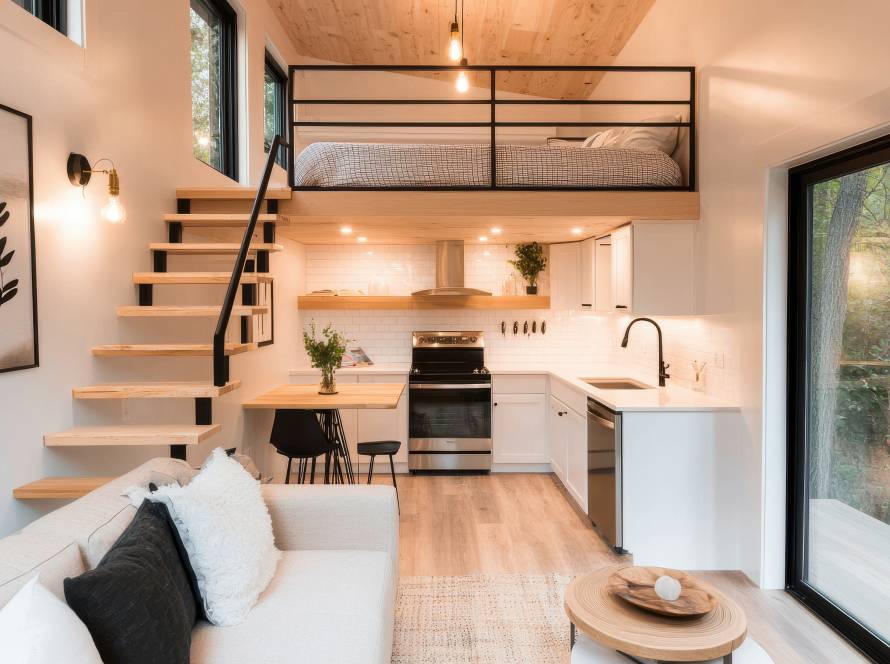
Tiny homes, generally defined as dwellings under 400 square feet, have grown from a niche lifestyle choice into a mainstream housing option. Their appeal isn’t just aesthetic. The math on sustainability is genuinely compelling.
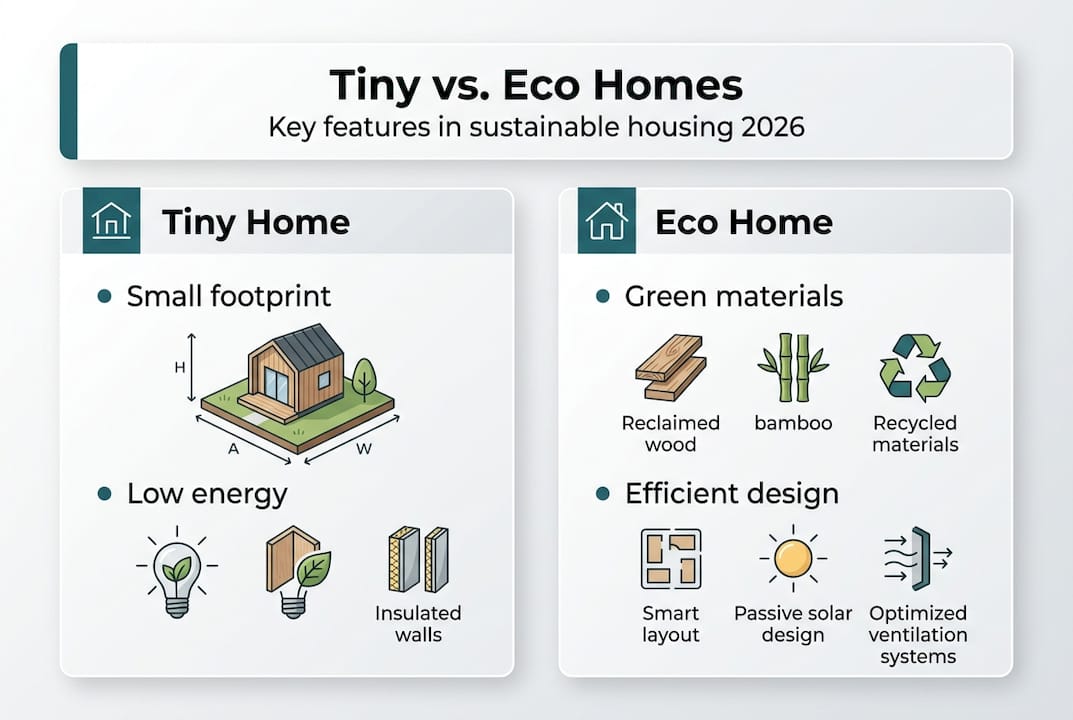
The DOE’s energy saver data shows that tiny homes can cut per capita greenhouse gas emissions by up to 70% compared to standard homes, with purchase prices typically ranging from $30,000 to $150,000 depending on size, materials, and certifications. That’s a fraction of the median U.S. home price, and it includes options built to net-zero standards.
| Feature | Conventional home | Sustainable tiny home |
|---|---|---|
| Average cost | $400,000+ | $30,000 to $150,000 |
| GHG emissions per capita | Baseline | Up to 70% lower |
| Monthly utility costs | $150 to $300+ | $20 to $80 (certified builds) |
| Build time | 6 to 12 months | 8 to 16 weeks |
| Zoning flexibility | Limited | Higher as ADU |
Sustainable tiny homes today include options built with hempcrete walls, Passive House certified panels, and recycled steel frames. Some are placed as accessory dwelling units (ADUs), which are secondary units on an existing residential lot. ADU classification can help buyers navigate zoning restrictions that would otherwise block a standalone tiny home placement.
Initial costs for green upgrades are real. High-performing homes typically cost 4 to 8% more upfront than a standard build. But lower utility bills, reduced maintenance, and longer material lifespans close that gap faster than most buyers expect.
Factors that affect your final cost include:
- Location: Land prices and local permit fees vary widely by state
- Materials: Hempcrete and reclaimed wood cost more than standard framing
- Certifications: PHIUS and LEED certification add design and testing fees
- Utilities setup: Off-grid solar and rainwater systems add upfront cost but eliminate monthly bills
Explore sustainable tiny home options to see what’s available at different price points, and check out tiny home financing tips if you’re working through the budget side. Understanding who lives in tiny homes can also help you decide if the lifestyle fits your situation.
Key certifications and incentives for U.S. buyers
Green certifications aren’t just marketing labels. They signal that a home has been independently tested against measurable energy and resource performance standards. For buyers, they also unlock real financial benefits.
Here’s a quick breakdown of the most relevant certifications:
| Certification | Focus area | Best for |
|---|---|---|
| ENERGY STAR | Energy efficiency | First-time green buyers |
| NGBS | Broad sustainability | Affordable and tiny homes |
| LEED for Homes | Comprehensive green | Higher-budget builds |
| PHIUS | Ultra-low energy use | Passive House enthusiasts |
| DOE Zero Energy Ready | Net-zero readiness | Long-term energy independence |
The DOE’s high-performing homes program identifies ENERGY STAR and NGBS certified tiny homes placed as ADUs as among the most affordable sustainable options available to U.S. buyers right now. These certifications also make homes eligible for the 45L federal tax credit, which rewards builders and buyers of energy-efficient new homes.
The NAHB’s green building overview explains how PHIUS and DOE Zero Energy Ready represent the highest performance tiers, while ENERGY STAR and NGBS are more accessible entry points for buyers on a budget.
Key financial incentives available in 2026 include:
- 45L tax credit: Up to $5,000 per unit for builders of certified zero-energy homes
- Energy Efficient Mortgage (EEM) loans: Allow buyers to finance green upgrades within their mortgage
- State-level rebates: Many states offer additional incentives for solar, insulation, and water efficiency upgrades
- Utility company programs: Some providers offer rebates for certified appliances and systems
Pro Tip: Before you finalize any home purchase, ask your lender specifically about EEM loans. Many buyers don’t know these exist, and they can add thousands of dollars in financing capacity for green upgrades without increasing your monthly payment significantly.
Comparing prefab vs traditional tiny homes is also worth your time, since prefab builds often come pre-certified and can be delivered faster than site-built alternatives.
What to consider before choosing sustainable or tiny home living
Green certifications and financial incentives are exciting, but they don’t answer the most important question: is this lifestyle actually right for you?
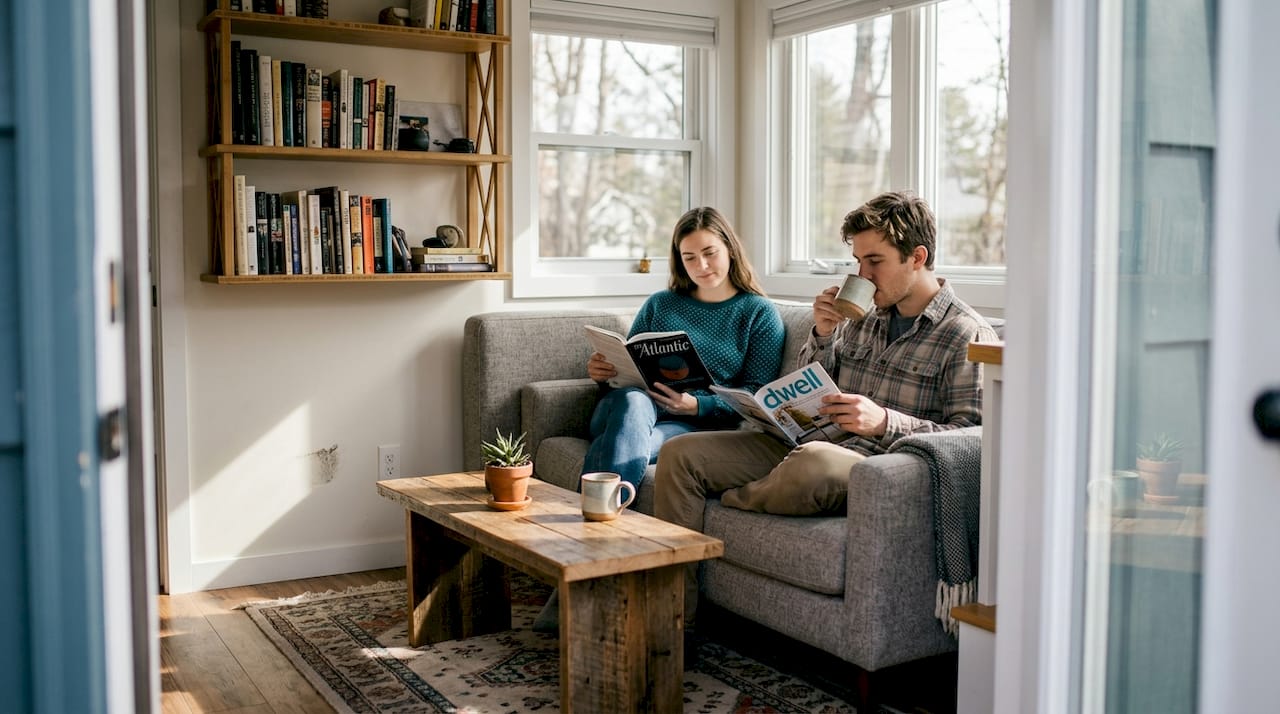
Research published in Frontiers in Sustainability confirms that tiny home living requires a genuine lifestyle commitment. Space constraints can strain relationships and daily routines, particularly for families or people who work from home.
Here’s a practical checklist to work through before you commit:
- Assess your space needs honestly. How many people will live there? Do you work from home? Do you have pets or hobbies that require storage?
- Research local zoning laws. Some counties allow tiny homes only as ADUs or in designated tiny home villages. Others have minimum square footage requirements that rule out smaller builds.
- Understand foundation requirements. Park model homes, for example, are classified differently than site-built homes and may have specific placement rules.
- Build a realistic budget. Factor in land, permits, delivery, utility hookups, and any green upgrades. The sticker price is rarely the full picture.
- Plan your utility setup. Will you connect to the grid, go off-grid with solar, or use a hybrid approach? Each option has different upfront and ongoing costs.
“The people who thrive in tiny sustainable homes are the ones who planned for the lifestyle, not just the price tag.”
Decluttering before you move is non-negotiable. Most people underestimate how much they own until they’re trying to fit it into 300 square feet. Start that process early, and be honest about what you actually use versus what you’re just storing.
The upfront premium for a certified sustainable build is real, but the long-term math usually favors it. Lower utility bills, fewer repairs, and higher resale value add up over time. The key is going in with clear expectations rather than assumptions.
Ready to explore your sustainable home options?
If this guide has moved you from curious to seriously interested, the next step is seeing what’s actually available and what fits your budget and lifestyle.
At Ecolife Homes, we design and manufacture premium steel park model tiny homes right here in Florida, delivering anywhere in the USA. With over 21 years of combined expertise in civil engineering and home construction, we handle everything from permits to final installation. Browse our Tiny Homes Life options to see our full range of customizable, eco-friendly models. If you’re weighing your build approach, our breakdown of prefab vs traditional tiny homes can help clarify the tradeoffs. When you’re ready to talk numbers, explore our payment options and reach out for a personalized consultation. Your sustainable home doesn’t have to be a distant goal.
Frequently asked questions
What qualifies a house as sustainable?
A sustainable house minimizes resource use, reduces emissions, and maintains healthy indoor air quality, typically verified through certifications like ENERGY STAR or LEED. It must address energy, water, materials, and occupant health together to meet recognized green housing standards.
Are tiny homes really more affordable and eco-friendly?
Yes. Tiny homes cost significantly less to buy and operate, and per capita GHG emissions can drop by up to 70% compared to a conventional home, with purchase prices ranging from $30,000 to $150,000.
What financial incentives are available for sustainable housing?
U.S. buyers can access the 45L federal tax credit for certified energy-efficient new homes, plus Energy Efficient Mortgage loans that let you finance green upgrades within your standard mortgage.
What are the main obstacles to sustainable or tiny home living?
Zoning laws, ADU classification rules, upfront certification costs, and lifestyle space limitations are the biggest hurdles, as confirmed by DOE housing research. Planning ahead for each one makes the transition significantly smoother.
Recommended
- Blog Standard – Ecolife Homes – Park Model Home Manufacturer – Florida – USA
- Prefab Tiny Homes vs Traditional Homes: Which Is Better in 2026 – Ecolife Homes – Park Model Home Manufacturer – Florida – USA
- Eco-Friendly Park Model Tiny Homes – Ecolife Homes – Park Model Home Manufacturer – Florida – USA
- Projects Fullwidth – Ecolife Homes – Park Model Home Manufacturer – Florida – USA