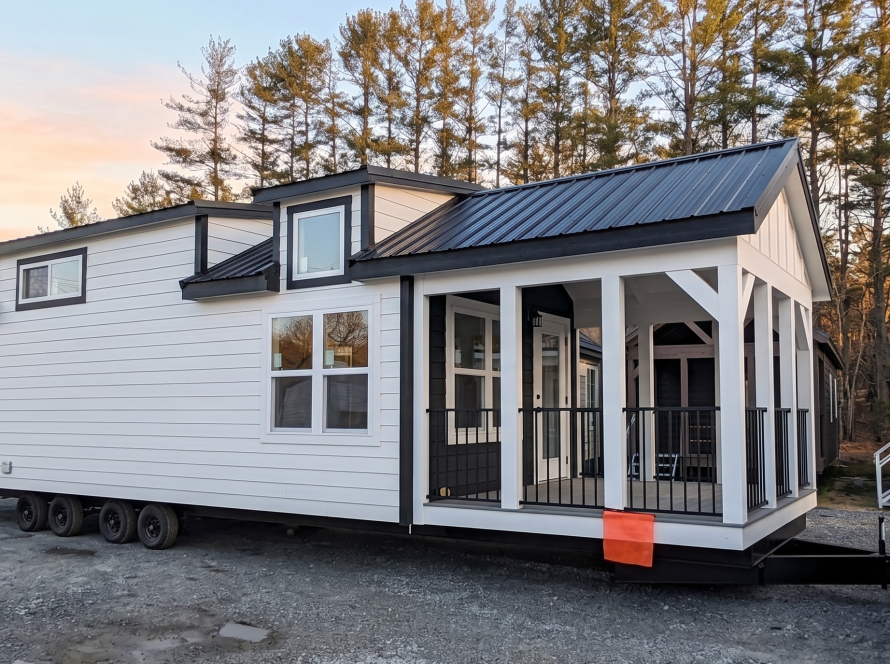
Cheap Tiny Homes Florida
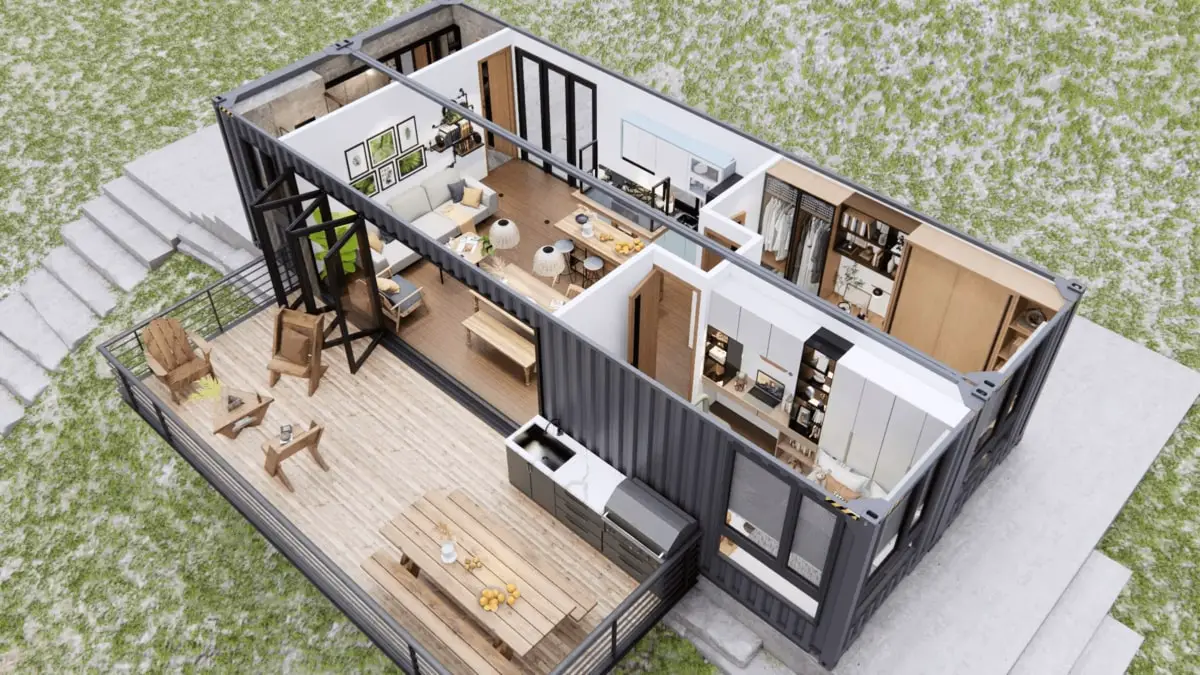
The word “cheap” gets used carelessly in Florida’s housing conversation. For most buyers who are serious about finding an affordable path to homeownership in this state, what they actually want is not the lowest number they can find on a website. What they want is genuine value. They want a home that is legally placed, properly built, comfortable to live in, and priced in a range that makes financial sense relative to what they are currently spending on housing.
That is exactly what this guide is about. Park model tiny homes and other small-footprint options under 400 square feet represent some of the most genuinely affordable housing available in Florida in 2026. But finding a good one at a low price requires knowing what you are looking for, what drives cost down or up, where the real deals are, and what the tradeoffs look like at each price point. This is the honest guide that walks you through all of it.
$55K: Starting price for a certified park model in Florida
$870: Estimated total monthly cost for entry-level park model living
67%: Less than the average Florida mortgage payment
Why Affordable Tiny Homes Make More Sense in Florida Than Almost Anywhere Else
Florida is genuinely one of the best states in the country for affordable small-footprint living, and that is not marketing language. It is a function of geography, climate, and the state’s extensive infrastructure for alternative housing types. Florida has more licensed RV and resort communities than any other state, which means more legal placement options for park model homes Florida buyers at every price point. The warm climate means your effective living space extends well beyond the square footage of the home itself for most of the year. And Florida’s no-state-income-tax policy means the money you save on housing stays in your pocket.
For retirees, the math is particularly compelling. A modest park model in a well-run North Florida community can deliver total monthly housing costs well under $1,000. For first-time buyers who have been renting in Tampa, Orlando, or Jacksonville while watching homeownership slip further out of reach, a carefully chosen tiny home under 400 sq ft offers a realistic path into ownership that the traditional market is no longer providing for a growing segment of the population.
For investors, the combination of lower acquisition costs, strong rental demand for affordable accommodations, and Florida’s tourism economy creates meaningful income potential at price points that make conventional real estate investment inaccessible for most individual buyers.
The Real Savings Picture
The average Florida mortgage payment in 2026 is approximately $2,980 per month. A well-placed entry-level park model in a licensed North Florida community, including lot rent, utilities, and insurance, typically totals between $800 and $950 per month. That is a monthly savings of roughly $2,000 or more compared to owning a median-priced traditional home in the same state.
What Counts as a Cheap Tiny Home in Florida: Understanding Your Options
Before shopping price, it helps to understand the category. “Cheap tiny home” in Florida can mean several different things legally and structurally, and the type you choose affects everything from where you can place it to how you can finance it to what it costs to insure and maintain long-term.
Park Model Homes
Park model tiny homes are factory-built units certified under the ANSI A119.5 standard and classified by HUD as recreational vehicles. They cap out at 400 square feet of interior living space and are the most popular affordable tiny home option in Florida because they offer real cottage-style living at a significantly lower price than foundation-built alternatives. RVIA-certified models are accepted in licensed communities across the state, qualify for RV financing products, and are insurable through specialty carriers. Entry-level certified models start around $55,000.
Prefab and Modular Tiny Homes
Prefab park model homes and modular units built in factory-controlled environments offer consistent quality at lower labor costs than site-built homes. Some are permitted under Florida Building Code as permanent dwellings, which gives them a cleaner path to conventional financing and private land placement. Prefab units designed as permanent structures typically start higher than park models but offer more flexibility in placement options.
Tiny Homes on Wheels
THOWs are the most visible category in the tiny home space online but arguably the most complicated for Florida buyers seeking genuinely cheap long-term housing. They have no regulated size standard, are classified as standard RVs in most Florida counties, and face significant placement restrictions. Insurance and financing options are more limited than for certified park models. For buyers prioritizing affordability and legal simplicity, THOWs require more research and planning than the sticker price alone suggests.
Cheap Tiny Home Types Compared at a Glance
How Affordable Tiny Home Types Stack Up for Florida Buyers
| Home Type | Entry Price | FL Community Access | Financing | Private Land OK | Insurance |
|---|---|---|---|---|---|
| Park Model (RVIA) | $55K+ | Widely accepted | RV loan options | Some counties | Full options |
| Prefab Permanent | $80K+ | Foundation sites | Conventional loan | Yes, with permit | Full options |
| THOW | $30K+ | Very limited | Personal loan only | Rarely permitted | Limited options |
| Park Model (non-certified) | $45K+ | Often rejected | Difficult to finance | Some counties | Narrower options |
Where to Find the Cheapest Certified Tiny Homes in Florida
Location shapes affordability more than almost any other single factor in Florida’s tiny home market. Not just the price of the home itself, but the ongoing monthly cost of placement varies dramatically across the state. Understanding which regions offer the best combination of low lot rent, accessible land prices, and buyer-friendly zoning is essential for anyone prioritizing value.
Average Monthly Lot Rent by Florida Region (2026)
South Florida | ████████████████████████████ | $1,100+
(Miami, Broward, Palm Beach)
Gulf Coast | ██████████████████████ | $850 avg
(Sarasota, Fort Myers, Naples)
Central Florida | ███████████████████ | $720 avg
(Orlando, Kissimmee area)
Tampa Bay Region | ██████████████████ | $700 avg
(Pasco, Hillsborough, Pinellas)
North-Central FL | ███████████████ | $560 avg
(Marion, Alachua, Levy)
North Florida | █████████████ | $495 avg
(Tallahassee, Gainesville)
North and north-central Florida consistently delivers the lowest combination of lot rent, land purchase prices, and total monthly housing cost. Marion County, home to Florida’s horse country, and Alachua County, anchored by Gainesville, have both developed strong tiny home and park model homes Florida community infrastructure that combines affordability with quality amenities. Pasco County in the Tampa Bay region offers a strong middle-ground option for buyers who want lower costs than coastal Pinellas while staying within reasonable distance of Tampa’s services and employment.
The Real All-In Cost of a Cheap Tiny Home in Florida
One of the most important things buyers shopping for affordable options need to understand is the difference between the purchase price of a home and the total cost of getting it placed, connected, and livable. These two numbers are almost never the same, and the gap between them catches unprepared buyers off guard consistently.
| Cost Item | Budget Scenario | Mid Range Scenario | Notes |
|---|---|---|---|
| Home purchase price | $55,000 to $65,000 | $75,000 to $95,000 | RVIA certified, factory delivered |
| Delivery and transport | $3,000 to $5,000 | $4,000 to $7,000 | Lower in North FL, higher in South FL |
| Site prep and foundation | $4,000 to $8,000 | $6,000 to $14,000 | Flood zone elevation raises this significantly |
| Utility connections | $2,000 to $4,000 | $3,000 to $6,000 | Community hookups reduce cost meaningfully |
| Hurricane anchoring | $1,500 to $2,500 | $2,000 to $4,000 | Required in most FL communities |
| Porch and skirting | $2,500 to $5,000 | $5,000 to $12,000 | A screened porch is near-essential in FL |
| First year insurance | $800 to $1,200 | $1,000 to $2,000 | Specialty RV-home policy required |
| Total all-in estimate | $69,000 to $91,000 | $96,000 to $140,000 | Excluding ongoing lot rent and utilities |
Buyer Caution
Listings advertising a park model for $39,000 or $45,000 are typically showing the home-only price before delivery, site preparation, utility connections, and hurricane anchoring. These add-ons are not optional in Florida. Factor the full number into your budget from day one or you will find yourself underprepared mid-purchase.
What Makes a Cheap Tiny Home a Smart Buy vs. a Money Pit
Not all affordable tiny homes in Florida are created equal. The cheapest option on the market is not always the best value, and understanding what separates a genuinely smart affordable buy from a short-term saving that creates long-term costs is one of the most important skills a Florida tiny home buyer can develop.
Certification Status
An RVIA-certified park model home will almost always cost more than a non-certified alternative at the same size. That certification, however, determines whether the home will be accepted in the communities you want to live in, whether a lender will finance it, and whether an insurer will provide full coverage. A non-certified home that looks cheaper at the point of sale can end up costing significantly more once placement restrictions, financing obstacles, and insurance limitations are factored in.
Florida-Specific Build Quality
A home built for general market use without Florida-specific features is not a good deal in this state regardless of its sticker price. Adequate insulation, appropriate HVAC sizing, metal or equivalent roofing, and hurricane anchoring compatibility are not upgrades in Florida. They are baseline requirements for comfortable, safe, and insurable living in this climate. A certified home that skimps on these specifics will create higher ongoing costs in energy, maintenance, and eventual repairs that erode the apparent savings quickly.
Community Quality and Long-Term Lot Costs
A very cheap home placed in a poorly managed community with rising lot rents, inadequate infrastructure, or unclear long-term legal standing creates a different kind of financial exposure than the home price itself. The best value in Florida’s affordable tiny home market is typically found in well-established, professionally managed communities with stable lot rent histories and clear occupancy rights.
Financing Cheap Tiny Homes in Florida: Making the Numbers Work
One of the advantages of shopping in the affordable range of Florida’s park model tiny home cost spectrum is that the financing numbers become much more manageable than in traditional real estate. A $65,000 home with 15 percent down on a 15-year RV loan at current market rates results in a monthly payment around $480 to $530. Add lot rent of $550 in a North Florida community and you are looking at total monthly housing costs under $1,100 before utilities.
For buyers whose credit profile does not yet qualify for the best RV loan rates, manufacturer financing and personal loans provide alternative paths. Both carry higher interest rates than secured RV lending, but because the loan amounts are relatively small, the monthly payment impact is much less dramatic than it would be on a $300,000 traditional home loan.
Buyers who own existing property in Florida with equity available can use a home equity loan or line of credit to fund a tiny home purchase at rates well below any RV or personal loan product. This is particularly effective for landowners who plan to place a prefab park model home on land they already hold, as it eliminates the ongoing lot rent expense entirely while keeping the financing cost low.
Monthly Payment Scenarios for Florida Buyers on a Budget
Average total ownership cost: $950 per month
Cost Structure
Loan Payment
-$490 per month
-15-year loan · $62,000 purchase · 10% down
Lot Rent
-$250 per month
-North Florida community average
Utilities
-$120 per month
-Efficient mini-split system
Insurance
-$90 per month
-Specialty RV or park model policy
Overview
Most of the monthly cost is driven by the loan payment, while lot rent and utilities remain relatively affordable compared to traditional housing options in Florida.
Legal Placement: The One Thing Cheap Tiny Home Buyers Cannot Skip
The most common and most preventable mistake buyers make in Florida’s affordable tiny home market is purchasing a home before confirming where they can legally place it. This applies at every price point, but it matters most for budget buyers because a placement mistake at this price level is a much larger percentage of total investment than it would be for a luxury buyer.
RV park model homes are classified as recreational vehicles under HUD guidelines regardless of price or quality. They are legally permitted for full-time occupancy in licensed RV and resort communities operating under Florida Statutes Chapter 513, and in some rural and agricultural zones with direct county approval. They are generally not permitted on standard residential lots without specific zoning variances.
Before committing to any purchase, contact the relevant county zoning department and the specific community you are considering, and confirm in writing that your intended home type is accepted for long-term occupancy at that location. This single step takes one phone call and one email follow-up. It is the most valuable thing a budget buyer can do to protect their investment.
| Placement Type | Legal for Full-Time FL Occupancy | Best For Budget Buyers |
|---|---|---|
| Licensed RV or resort community | Yes, under FL Statutes Ch. 513 | Best option, lowest friction, community infrastructure included |
| 55-plus park model community | Yes | Strong amenity value, stable lot rent, social environment |
| Rural or agricultural land | Possible with county approval | Good for landowners, requires direct zoning confirmation first |
| Standard residential lot | Generally not permitted as RV | Avoid without specific written zoning approval |
Your Next Steps Toward Affordable Tiny Home Ownership in Florida
If you are serious about finding a genuinely affordable tiny home in Florida, the path forward is clear and achievable. Buyers who follow a structured approach consistently find better homes at better prices than those who shop reactively without a framework.
Set a Realistic Total Budget, Not Just a Home Price
Decide on the maximum total investment you are comfortable with, including home price, delivery, site prep, utility connections, anchoring, porch, and first year insurance. Then back-calculate the home price range you are actually shopping in. Most buyers find this number is 20 to 30 percent lower than the home price they thought they were targeting.
Choose Your Florida Region Before You Choose a Home
Decide which part of Florida fits your lifestyle, proximity needs, and monthly budget. North and north-central Florida will consistently deliver the lowest total cost of living for tiny home buyers. Research specific communities in your target region before evaluating specific home models.
Confirm RVIA Certification on Any Unit You Seriously Consider
Ask directly. Verify the physical seal. Request documentation. A non-certified home at a lower price point creates more problems than it solves for most Florida buyers seeking long-term affordable housing. The savings at purchase rarely survive the downstream placement and financing complications.
Get Pre-Qualified Before You Fall in Love with a Model
Talk to a specialty RV lender or a credit union with RV loan products before you get emotionally invested in a specific home. Knowing exactly what you qualify for at what rate and term changes how you shop and what you ask manufacturers to include in their total delivered quotes.
Verify Placement in Writing Before Signing Anything
Contact the community manager or county zoning office for your intended placement location and get written confirmation that your specific home type is accepted for long-term occupancy. Do this before paying any deposit or signing any purchase agreement.
The Bottom Line
Cheap tiny homes in Florida are real, accessible, and genuinely livable at price points that make Florida homeownership possible for buyers who have given up on the traditional market. The buyers who find the best value are the ones who define “cheap” correctly: not the lowest sticker price, but the lowest total cost of quality, legal, comfortable, long-term housing. That combination exists in this market in 2026 for buyers who know where to look and what to ask.