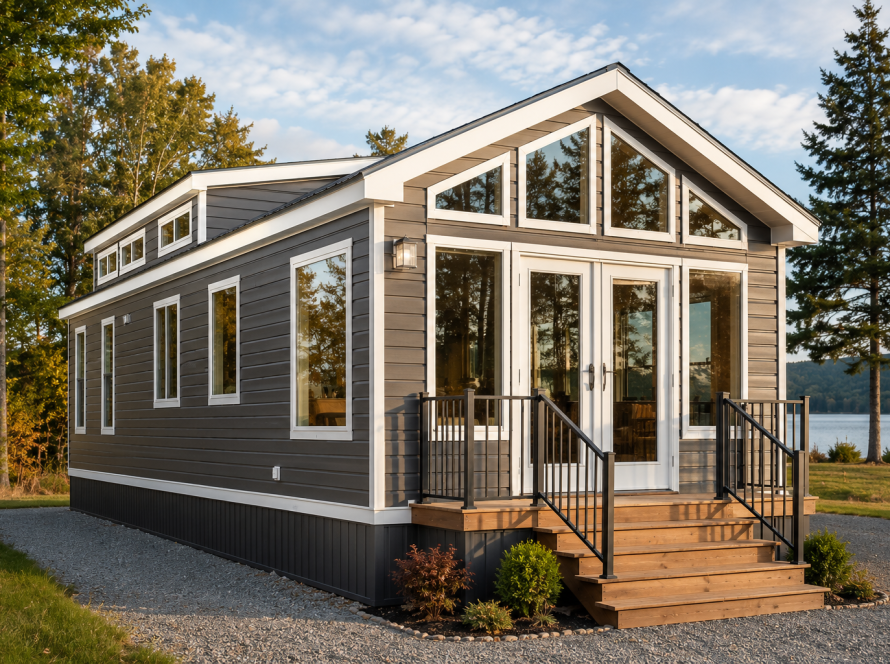
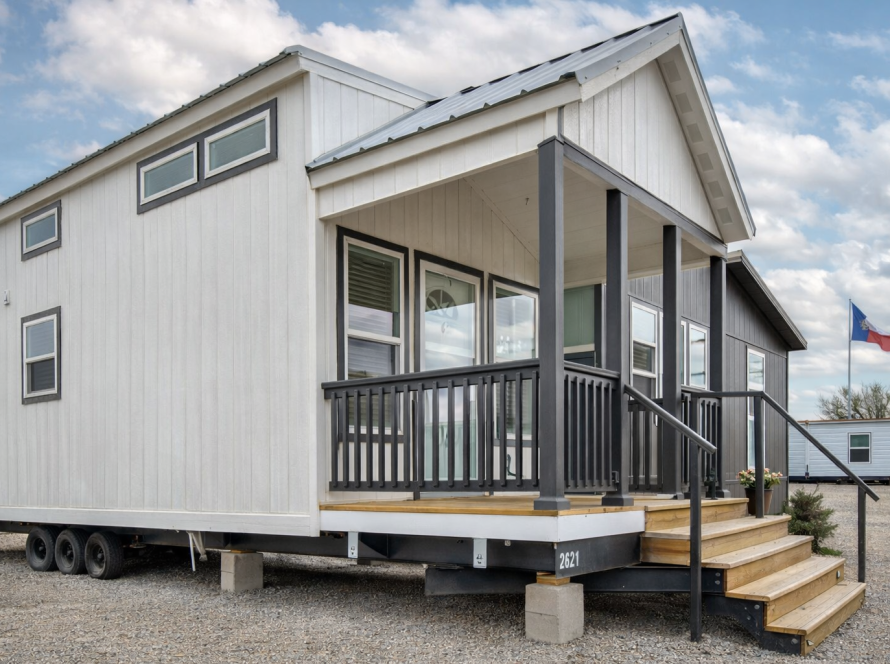
Why factory-built homes save 10-60% on housing costs
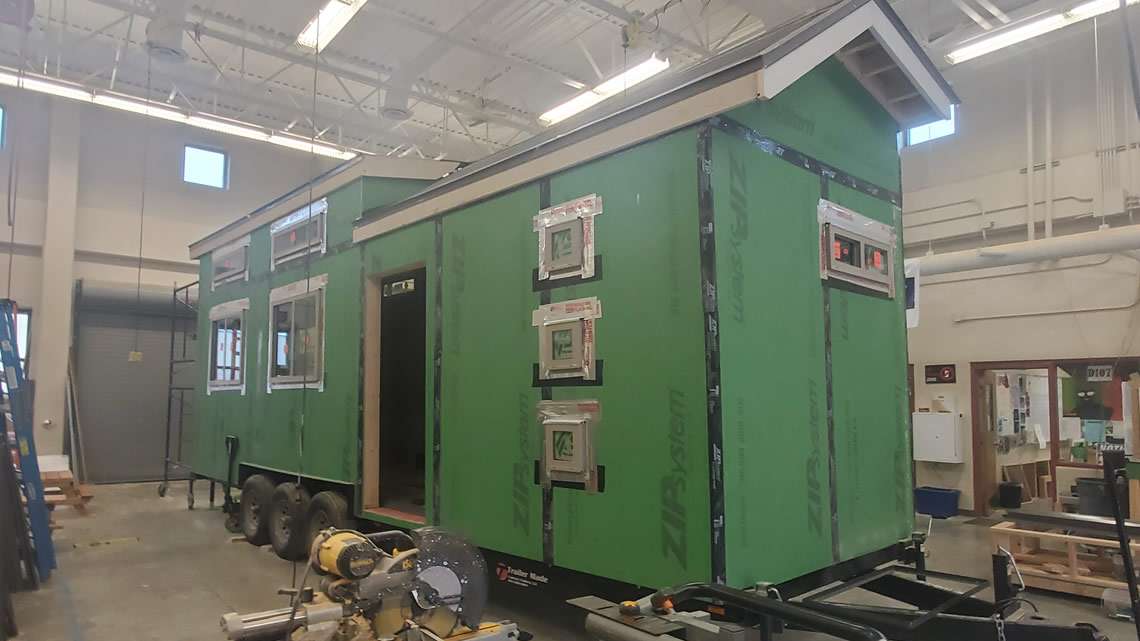
Factory-built homes often carry outdated stereotypes that prevent homebuyers from discovering their real value. Many people assume these homes lack quality or resemble mobile homes from decades past. The truth is far different. Modern factory-built homes cost 10-60% less than traditional construction while delivering superior energy efficiency, sustainable materials, and extensive customization options. Whether you’re seeking an affordable first home, a vacation retreat, or a downsized lifestyle, factory-built homes offer practical solutions that adapt to your needs without compromising on comfort or style.
Table of Contents
- Key takeaways
- Cost advantages of factory-built homes
- Quality, precision, and energy efficiency benefits
- Environmental benefits and sustainability of factory-built homes
- Addressing myths and customization options
- Discover your ideal factory-built home with Ecolife Homes
- FAQ
Key Takeaways
| Point | Details |
|---|---|
| Cost savings | Factory built homes cost ten to sixty percent less than site built homes due to controlled production, bulk purchasing, and streamlined assembly. |
| Quality and energy | The factory environment enables precision engineering, waste reduced by up to ninety percent, and higher energy efficiency than site built homes. |
| Sustainable materials | Factory construction uses sustainable materials and aims to minimize waste for environmental benefit. |
| Faster timelines | Construction timelines are shorter in factories, reducing financing costs and enabling quicker move in. |
| Customization options | A wide range of floor plans and finishes allows buyers to tailor a factory built home to different lifestyles and budgets. |
Cost advantages of factory-built homes
The financial benefits of factory-built homes represent one of their most compelling advantages for homebuyers navigating today’s expensive housing market. Recent data reveals substantial savings that can make homeownership accessible to more families. Factory-built homes cost 10-60% less than site-built homes, with 2024 Census data showing single-section factory-built homes averaging around $78.60 per square foot and multi-section homes at approximately $86.71 per square foot, compared to $168.86 for traditional site-built construction.
These savings stem from multiple factors inherent to factory production. Controlled manufacturing environments eliminate weather delays that frequently plague traditional construction sites. Bulk material purchasing reduces costs significantly. Streamlined assembly processes minimize labor expenses while maintaining quality standards. The efficiency of factory construction also shortens overall timelines, which translates to reduced financing costs during the building phase.
Comparing prefab tiny homes vs traditional construction reveals additional financial advantages beyond the initial purchase price. Factory-built homes typically require fewer site preparation expenses because the structure arrives largely complete. Installation timelines measure in days or weeks rather than months, reducing temporary housing costs and allowing you to move in faster. Predictable pricing with fewer change orders helps you budget accurately from the start.
| Home type | Cost per square foot | Total cost (1,500 sq ft) |
|---|---|---|
| Single-section factory-built | $78.60 | $117,900 |
| Multi-section factory-built | $86.71 | $130,065 |
| Site-built traditional | $168.86 | $253,290 |
| Savings (multi-section vs site-built) | $82.15 | $123,225 |
Pro Tip: Calculate total ownership costs beyond the purchase price. Factor in faster construction timelines that reduce financing expenses, lower utility bills from superior energy efficiency, and reduced maintenance costs from quality factory construction.
Key financial advantages include:
- Predictable pricing with fewer unexpected costs during construction
- Reduced labor expenses through efficient factory assembly processes
- Lower financing costs due to shortened construction timelines
- Minimal site disturbance reducing land preparation expenses
- Bulk material purchasing power passed on to buyers
The cost efficiency of factory-built homes doesn’t mean sacrificing quality or features. You’re paying less because the manufacturing process eliminates inefficiencies, not because corners are cut. This value proposition makes factory-built homes particularly attractive for first-time buyers, retirees downsizing, or anyone seeking affordable housing without compromising on modern amenities and construction standards.
Quality, precision, and energy efficiency benefits
Factory construction environments provide significant advantages in building quality that site-built homes struggle to match. The controlled setting eliminates variables like weather, inconsistent labor practices, and material exposure that can compromise traditional construction. Superior quality control in factory settings leads to precision engineering, less waste (up to 90% reduction), and higher energy efficiency that often exceeds site-built energy codes.
Every component undergoes multiple inspections during the manufacturing process. Materials remain protected from moisture, temperature fluctuations, and contamination that commonly affect job sites. Specialized teams focus on specific assembly stages, developing expertise that improves consistency. Computer-aided design and manufacturing tools ensure precise measurements and tight tolerances throughout construction. This systematic approach produces homes with fewer defects and better long-term performance.
Energy efficiency represents another area where factory-built homes excel. Peer-reviewed field studies confirm factory-built homes have comparable or superior energy performance to site-built options. Many manufacturers design homes to meet or exceed current energy codes, with options for ENERGY STAR certification or zero-energy-ready specifications. The precision assembly in factory settings creates tighter building envelopes that reduce air leakage and improve insulation effectiveness.
Advanced energy efficiency steel building techniques further enhance performance. Factory workers can carefully install insulation without gaps or compression that reduce effectiveness. Window and door installations achieve better seals in controlled environments. HVAC systems integrate seamlessly with building designs optimized for efficient heating and cooling. These factors combine to lower your utility bills while improving indoor comfort throughout the year.
Pro Tip: Request energy efficiency ratings and certifications when comparing factory-built homes. Look for ENERGY STAR labels, HERS scores, or zero-energy-ready designations that quantify performance and predict utility savings.
Quality advantages of factory construction:
- Consistent weatherproofing through controlled assembly conditions
- Multiple inspection points catching defects before completion
- Protected materials maintaining integrity throughout construction
- Specialized teams developing expertise in specific assembly tasks
- Precision engineering reducing gaps and improving structural integrity
- Advanced insulation techniques maximizing thermal performance
- Integrated building systems designed for optimal efficiency
The prefabricated home manufacturing process also incorporates continuous improvement. Factories analyze performance data, refine techniques, and implement innovations faster than traditional construction. When building codes update or new materials emerge, factory settings can adopt changes systematically across all production. This agility keeps factory-built homes at the forefront of construction technology and performance standards.
Environmental benefits and sustainability of factory-built homes
Sustainability concerns drive many homebuyers toward factory-built options that minimize environmental impact without sacrificing quality or comfort. The manufacturing process inherently reduces waste through precise material calculations and efficient use of resources. Factory-built homes produce significantly less waste, use recyclable modules, and durable materials designed for 100-year lifespans, making them environmentally responsible choices for conscious buyers.
Traditional construction sites generate massive amounts of waste that end up in landfills. Cut lumber, damaged materials, packaging, and surplus supplies accumulate throughout the building process. Factory settings minimize this waste through careful planning and material optimization. Offcuts from one project become components for another. Recycling programs capture materials that would otherwise be discarded. This efficiency can reduce construction waste by up to 90% compared to site-built homes.
Durability represents another crucial sustainability factor. Factory-built homes use materials engineered for longevity, with proper maintenance supporting lifespans exceeding 100 years. This durability means fewer resources consumed in repairs and replacements over time. The modular nature of many factory-built designs also facilitates future upgrades or reconfigurations without major reconstruction. When homes eventually reach end of life, recyclable components reduce landfill impact.
Sustainable housing extends beyond materials to encompass the entire construction process. Factory production requires less transportation of workers and equipment to remote sites. Centralized operations optimize energy use and reduce emissions. Site preparation for factory-built homes disturbs less land because foundation work is minimal and installation happens quickly. These factors combine to lower the carbon footprint of your home from manufacturing through installation.
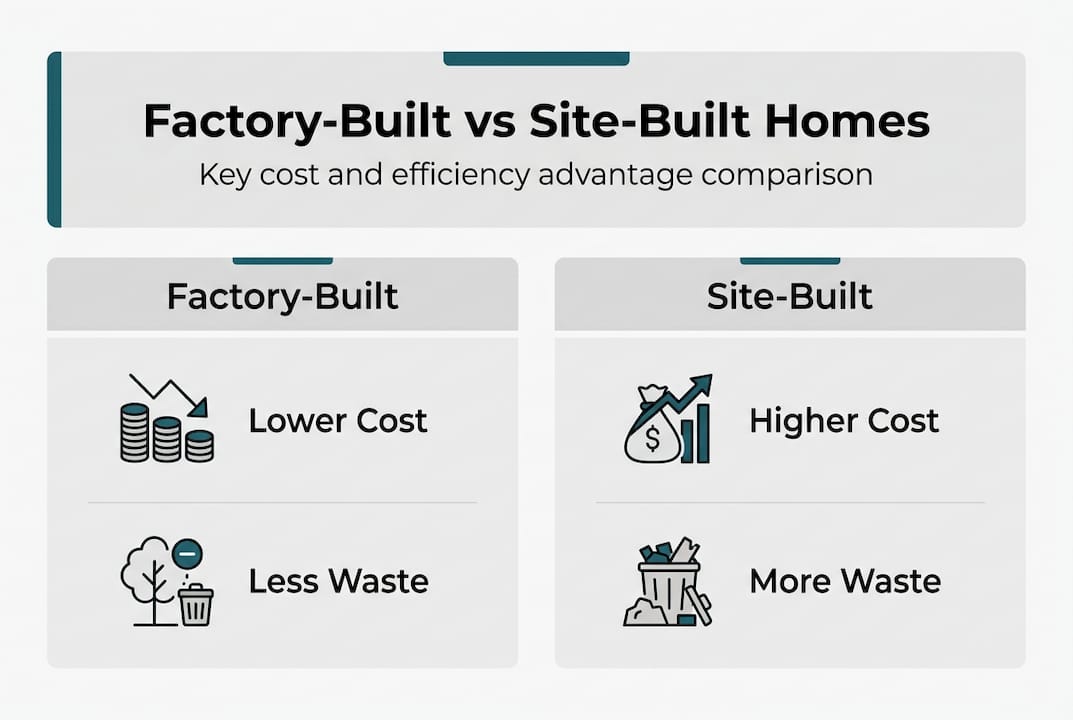
| Environmental metric | Factory-built homes | Site-built homes |
|---|---|---|
| Construction waste | 10-20% of materials | 30-40% of materials |
| Material lifespan | 100+ years with maintenance | 50-80 years typical |
| Site disturbance | Minimal, quick installation | Extensive, prolonged construction |
| Recyclability | High, modular components | Limited, integrated construction |
| Resource optimization | Precise calculations, bulk efficiency | Variable, individual ordering |
Eco-friendly park model tiny homes exemplify how factory construction supports environmental goals. These homes combine compact footprints with efficient designs that reduce resource consumption during construction and throughout their service life. Energy-efficient systems lower utility demands. Sustainable materials minimize environmental impact. The smaller scale means less land development and habitat disruption.
Sustainable construction benefits:
- Dramatic waste reduction through precise material planning
- Centralized recycling programs capturing reusable materials
- Durable components designed for multi-generational use
- Minimal site disturbance protecting natural landscapes
- Energy-efficient manufacturing reducing production emissions
- Optimized transportation consolidating deliveries
- Modular designs supporting future upgrades without reconstruction
The environmental advantages of factory-built homes align with growing awareness about housing’s ecological impact. Choosing a factory-built home means supporting sustainable practices while enjoying a comfortable, modern living space. You’re not compromising on lifestyle to reduce your environmental footprint. Instead, you’re selecting a construction method that delivers better performance through smarter processes.
Addressing myths and customization options
Misconceptions about factory-built homes persist despite dramatic improvements in construction standards and design flexibility over recent decades. Factory-built homes are not low-quality or just mobile homes; they appreciate in value like site-built homes when on owned land and blend well in neighborhoods. Understanding the facts helps you make informed decisions about whether factory-built construction suits your needs.
The confusion often stems from outdated images of mobile homes from the 1970s and 1980s. Modern factory-built homes bear little resemblance to those earlier structures. Current construction standards require robust materials, professional engineering, and rigorous inspections. When placed on permanent foundations on owned land, these homes appreciate similarly to traditional construction. Financing options mirror conventional mortgages rather than personal property loans.
Architectural flexibility allows factory-built homes to blend seamlessly into diverse neighborhoods. Exterior finishes range from traditional siding to modern metal panels. Roof styles include gable, hip, and contemporary flat designs. Window configurations and porch additions customize the appearance to match surrounding homes or create distinctive character. Many factory-built homes are indistinguishable from site-built construction once installed.
“The quality and durability of modern factory-built homes match or exceed site-built options. Advanced manufacturing techniques, rigorous inspections, and engineered materials create homes designed for generations of use. The stigma attached to factory construction reflects outdated information rather than current reality.”
Customization represents one of the strongest advantages of factory-built homes. You’re not limited to a few basic floor plans. Manufacturers offer extensive options for layouts, finishes, fixtures, and features. Craftsmanship in tiny homes demonstrates how factory construction supports personalized designs that reflect individual preferences and lifestyles.
Common myths versus facts:
- Myth: Factory-built homes are just mobile homes. Fact: Modern factory-built homes meet residential building codes and can be permanently installed on foundations.
- Myth: These homes don’t appreciate in value. Fact: Factory-built homes on owned land appreciate similarly to site-built properties.
- Myth: You can’t get financing for factory-built homes. Fact: Conventional mortgages are available for factory-built homes on permanent foundations.
- Myth: Factory-built homes look cheap or temporary. Fact: Extensive finish options allow factory-built homes to match any architectural style.
- Myth: Quality is lower than site-built homes. Fact: Factory construction often produces higher quality through controlled conditions and rigorous inspections.
How to customize your factory-built home:
- Start with a base floor plan that matches your space requirements and lifestyle needs.
- Select exterior finishes including siding materials, colors, and roof styles that complement your property or neighborhood.
- Choose interior finishes such as flooring, cabinetry, countertops, and fixtures to reflect your personal taste.
- Add features like porches, decks, additional windows, or upgraded insulation based on your priorities and budget.
- Incorporate energy efficiency upgrades including solar panels, high-efficiency HVAC, or advanced insulation packages.
- Work with manufacturers to modify layouts for specific needs like home offices, accessible design, or multi-generational living.
The prefabricated home industry has evolved to support diverse housing needs. Whether you need a compact retreat, a spacious family home, or a rental property, factory construction can deliver customized solutions. The key is understanding available options and working with manufacturers who prioritize customer input throughout the design process.
Discover your ideal factory-built home with Ecolife Homes
Your journey toward sustainable, affordable homeownership starts with exploring options that match your vision and budget. Ecolife Homes specializes in customizable, eco-friendly factory-built homes designed for diverse lifestyles across the USA. Our park model tiny homes combine quality craftsmanship with flexible designs that adapt to your needs.
Explore our range of tiny homes life options to discover floor plans and features suited to different living situations. Whether you’re downsizing, seeking a vacation property, or embracing minimalist living, our homes deliver comfort and functionality. Compare prefab tiny homes to understand how factory construction benefits your specific situation.
Flexible park model home payment options make sustainable living accessible regardless of your financial situation. We handle everything from permitting to installation, ensuring a stress-free experience from initial consultation to moving day. Our Florida-based manufacturing facility produces premium steel park model homes delivered anywhere in the USA.
Pro Tip: Schedule a factory tour or browse our inspiration gallery to visualize how customization options translate into finished homes. Seeing the construction process and completed projects helps solidify your vision and build confidence in your decision.
FAQ
Are factory-built homes considered mobile homes?
Factory-built homes differ significantly from traditional mobile homes in construction standards, durability, and installation methods. Modern factory-built homes meet residential building codes and can be permanently installed on foundations just like site-built houses. They’re designed for long-term occupancy rather than mobility. The term mobile home typically refers to older structures built before 1976 under different regulations.
How long do factory-built homes typically last?
Factory-built homes use durable materials engineered to last up to 100 years with proper maintenance and care. This longevity matches or exceeds many site-built homes. The controlled manufacturing environment actually improves durability by protecting materials during construction and ensuring precise assembly. Regular maintenance like roof inspections, exterior painting, and system upkeep extends service life just as with traditional homes.
Can factory-built homes be customized to fit my lifestyle?
Yes, factory-built homes offer extensive customization including layouts, finishes, fixtures, and features tailored to your preferences. You can select everything from floor plans and exterior siding to kitchen cabinets and bathroom fixtures. Many manufacturers accommodate special requests for accessibility features, home offices, or unique design elements. The tiny homes life options demonstrate how factory construction supports personalized designs across different budgets and lifestyle needs.
Are factory-built homes energy efficient?
Factory-built homes often meet or exceed current energy efficiency standards, reducing utility costs compared to older site-built homes. Precision assembly in controlled environments creates tighter building envelopes that minimize air leakage. Many manufacturers offer ENERGY STAR certified models or zero-energy-ready options with advanced insulation and efficient systems. The energy efficiency steel building techniques used in modern factory construction deliver measurable performance improvements and lower monthly expenses.
Recommended
- Park Model Tiny Home Factory – Ecolife Homes – Park Model Home Manufacturer – Florida – USA
- Prefab Tiny Homes vs Traditional Homes: Which Is Better in 2026 – Ecolife Homes – Park Model Home Manufacturer – Florida – USA
- Blog Standard – Ecolife Homes – Park Model Home Manufacturer – Florida – USA
- Why Choose a Park Model Tiny Home? – Ecolife Homes – Park Model Home Manufacturer – Florida – USA