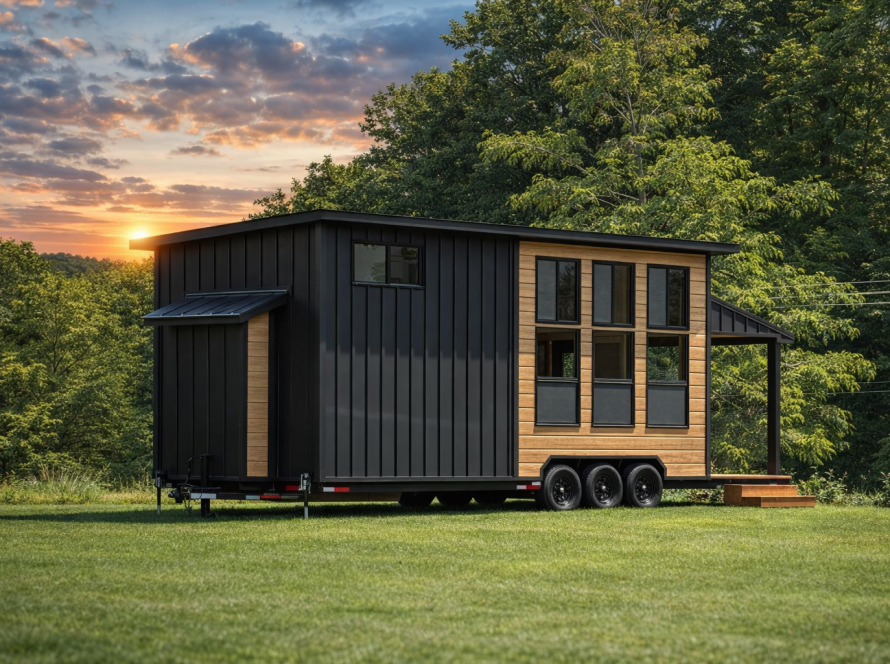
Eco-friendly tiny home living
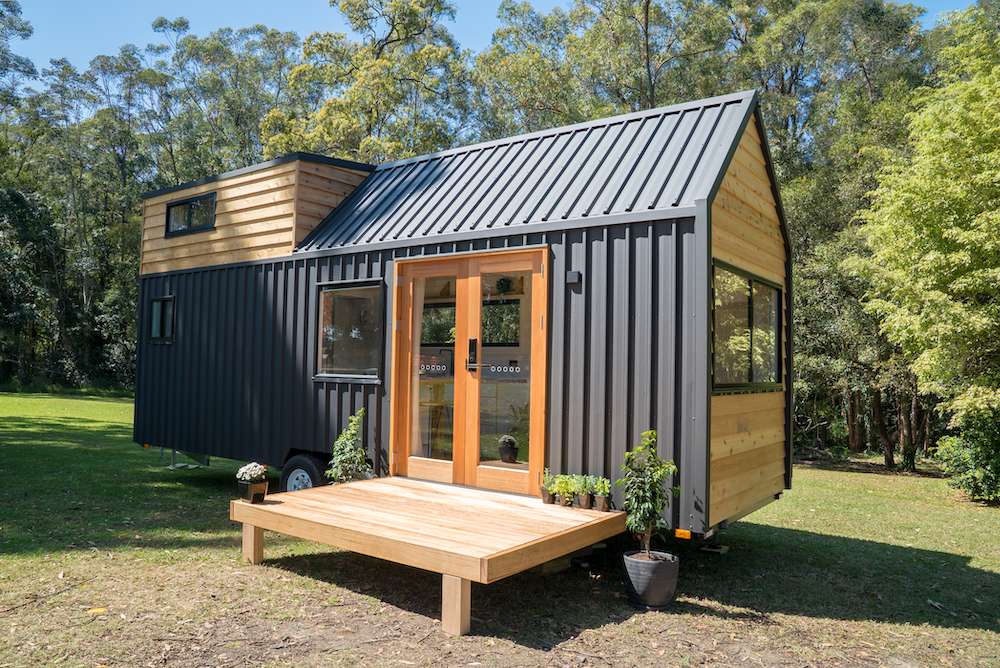
Community sharing enhances sustainability by reducing costs, resource use, and dependence on markets. Successful eco communities require intentional governance, shared values, and balanced social interaction. Zoning, costs, and climate are challenges, but planning and advocacy can overcome these barriers.
Sustainable living has long been painted as a personal choice, a matter of individual sacrifice and solo discipline. But that picture misses something big. The most resilient, fulfilling, and genuinely green lifestyles are built not in isolation but alongside neighbors who share your values, your tools, and your vision. Research on intentional communities shows that pooling resources reduces dependence on volatile markets and builds the kind of stability no single household can create alone. If you are exploring eco-friendly tiny home living, community is not a bonus feature. It is the foundation everything else stands on.
Table of Contents
- Why community is core to eco living
- Community models for tiny home living: What works?
- Barriers and solutions: Zoning, costs, and climate
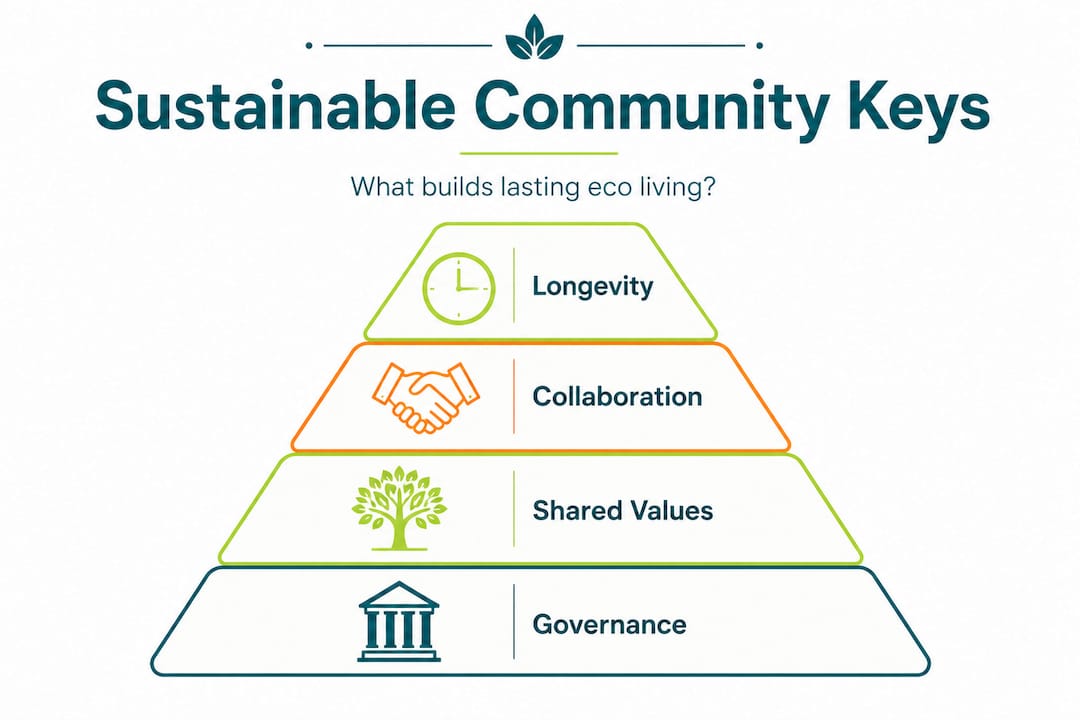
- Keys to sustainable success: Governance, values, and longevity
- A fresh perspective: Why genuine community beats solo eco living every time
- Ready to build your eco community?
- Frequently asked questions
Key Takeaways
| Point | Details |
|---|---|
| Community multiplies eco impact | Pooling resources and shared values make sustainable living easier and more resilient than solo efforts. |
| Design and zoning matter | Clustered tiny home models and creative land use address zoning hurdles and encourage community. |
| Success needs strong governance | Clear rules, conflict resolution, and aligned values are crucial for sustainable, long-term communities. |
| Barriers have solutions | High costs, zoning limits, and climate challenges can be overcome with collaboration and expert guidance. |
| Longevity requires fit | Communities with shared ideology or mission and good governance are more likely to succeed for the long term. |
Why community is core to eco living
Solo green living has real limits. You can compost, install solar panels, and drive an electric car, but your individual footprint only goes so far. The moment you add a community around you, the math changes dramatically. Shared resources mean fewer duplicated purchases. Communal energy systems mean lower costs per household. Collective advocacy means more political weight when pushing for better zoning laws or utility access.
When neighbors share tools, equipment, and outdoor spaces, everybody gets more while consuming less. This is the basic logic behind the sustainable housing guide approach: smart design works best when it is paired with smart social structures.
Here are some of the strongest advantages that community-driven eco living delivers:
- Shared tool libraries cut down on redundant purchases of lawnmowers, ladders, and power tools
- Communal gardens produce fresh food at lower cost and with a smaller water footprint than individual plots
- Group solar installations or micro-grids reduce per-unit energy costs significantly
- Bulk purchasing of sustainable materials lowers prices for everyone involved
- Collective childcare, cooking, and maintenance free up time and reduce household energy use
- Social accountability keeps individuals on track with eco goals more effectively than apps or reminders
The evidence behind these benefits is solid. A study analyzing 18 intentional communities in England and Wales found that:
“Intentional communities build resilience by pooling resources, reducing dependence on volatile markets, creating adaptive capacity that isolated households simply cannot replicate on their own.”
This is exactly why intentional communities, defined as groups of people who choose to live near each other based on shared values, have become a serious reference point for U.S. buyers thinking about tiny home villages, co-housing, and eco neighborhoods. The lessons from those communities translate directly to American contexts, especially as more people seek stability, connection, and lower living costs at the same time.
Community models for tiny home living: What works?
Not all eco communities look the same. The right model for your situation depends on how much social interaction you want, what kind of land is available, and how formal you want your governance to be. Understanding the main formats helps you ask the right questions before you commit.
Co-housing is a model where residents own private homes but share common spaces like kitchens, laundry facilities, and outdoor areas. Decision-making is typically collaborative, and neighbors interact regularly by design. Tiny home villages cluster small homes together on shared land, often with communal infrastructure for water, sewer, and energy. Intentional communities are broader and may combine elements of both, often organized around a specific mission, whether environmental, spiritual, or social.
As micro homes explained in more detail, the physical footprint of your home matters less than how it connects to the people and systems around it.
Here is a quick comparison of the most common community formats:
| Model | Typical lot size | Zoning approach | Social interaction level |
|---|---|---|---|
| Co-housing | 2,000 to 5,000 sq ft per unit | Planned unit developments | High, by design |
| Tiny home village | 1,500 to 4,000 sq ft per unit | Special use permits | Moderate to high |
| Rural intentional community | 1 to 5 acres per household | Agricultural or rural zoning | Variable |
| Urban eco neighborhood | 800 to 2,500 sq ft per unit | Infill zoning or ADU rules | Moderate |
Empirical data from North Carolina tiny home communities shows that cluster models on lots between 1,500 and 4,000 square feet promote daily interaction while addressing zoning requirements, with building footprints kept at 25% or less of the total lot area. That balance between private space and shared amenity is the sweet spot most successful communities aim for.
If you are thinking about starting or joining an eco tiny home community, here is a practical sequence that works:
- Define your non-negotiables. Decide what values and lifestyle elements are essential before you look at land or models. Privacy preferences, noise tolerance, and shared chores all need to be discussed early.
- Form or join a core group. A founding group of five to fifteen households is typically the right size to make decisions without gridlock.
- Secure land together. Whether you buy collectively or lease from a land trust, the legal structure should be clear from day one.
- Agree on shared amenities. A communal workshop, a garden, a fire gathering space, or a shared vehicle can all become the social glue of the community.
- Draft governance documents. Rules for decision-making, conflict resolution, and member exit need to exist in writing before anyone moves in.
- Build in phases. Start with common infrastructure and add individual homes as members commit. This reduces financial risk and builds momentum gradually.
Pro Tip: When planning shared outdoor spaces, consider sustainable gathering features like a communal fire pit. Sustainable fire pit designs use wood efficiently and create natural gathering points that strengthen social bonds without adding significant ecological cost.
Barriers and solutions: Zoning, costs, and climate
Understanding the obstacles before you encounter them is one of the most practical things you can do. Eco tiny home communities face real challenges, and none of them are insurmountable when you plan ahead and work together.
Zoning restrictions remain one of the biggest barriers, especially in suburban and urban areas. Minimum lot sizes in cities like Raleigh, North Carolina, range from 4,000 to 40,000 square feet, making cluster-style tiny home villages difficult or impossible without variances or special permits. That reality pushes many communities toward rural or semi-rural land, which creates different challenges around utility access and commute distances.
Cost is another major factor. Permits, utility hookups, and insulation requirements can push the total cost of a tiny home well beyond initial estimates, and extreme climates, whether desert heat or northern winters, demand higher-performance building envelopes that add to the price.
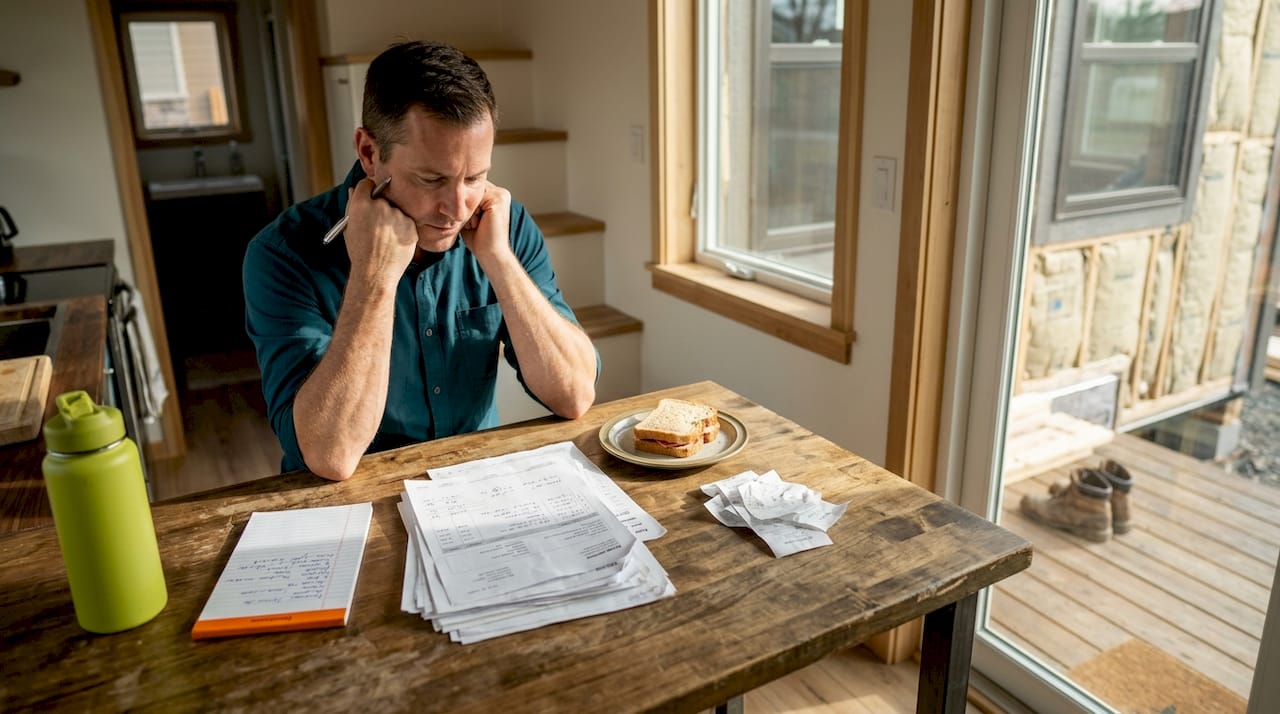
Here is a summary of the most common barriers and the strategies that address them:
| Barrier | Why it matters | Effective strategy |
|---|---|---|
| Minimum lot size zoning | Prevents cluster development | Apply for planned unit development status or special use permits |
| Permit costs | Raises upfront investment | Pool costs across community; work with experienced builders |
| Utility installation | High cost for off-grid connections | Negotiate shared infrastructure; explore micro-grids |
| Extreme climate insulation | Increases material and energy costs | Specify high-performance materials from the start |
| HOA or deed restrictions | Block tiny homes outright | Research land thoroughly; prioritize areas with friendly ordinances |
Some solutions that consistently work across different U.S. regions include:
- Working with local advocacy groups to push for zoning reforms that specifically accommodate tiny home villages
- Partnering with experienced builders who already understand local permit requirements and can navigate approval processes faster
- Choosing land in counties or municipalities that have already passed tiny home-friendly ordinances, which are growing in number every year
- Designing for energy resilience from day one so that insulation, solar, and water systems are sized correctly rather than retrofitted later
Our eco-friendly park model options are built to meet local compliance standards across the USA, which means many of these regulatory hurdles are already accounted for in the design and delivery process. Exploring top tiny home design trends can also help you identify features that satisfy both regulatory requirements and long-term sustainability goals.
Pro Tip: Before purchasing land, connect with other tiny home community founders in your target state. They can share which counties are most receptive, which permit offices are easiest to work with, and which pitfalls cost communities the most time and money.
Keys to sustainable success: Governance, values, and longevity
The physical design of an eco community matters. But communities that thrive for decades share something that no floor plan can provide: strong governance, aligned values, and a genuine commitment to working through conflict rather than around it.
Governance does not need to be complicated, but it does need to be intentional. Effective community governance typically includes:
- Clear decision-making processes, whether that is consensus-based, majority vote, or a council structure
- Transparent financial management, with regular reporting on shared expenses and reserves
- Defined conflict resolution steps, so disagreements about noise, shared chores, or property use have a known path to resolution
- Member agreements that spell out responsibilities before anyone joins
- Regular community meetings where issues are raised early rather than allowed to fester
Research confirms that communities amplify eco benefits through sharing economies, but that success depends heavily on clear governance, effective zoning navigation, and lifestyle compatibility among members. Mismatches around privacy expectations versus the desire for collaboration are among the most common reasons communities struggle or dissolve.
Values alignment is equally important, and often underestimated. When everyone in a community broadly agrees on why they are there, day-to-day friction drops significantly. Groups organized around a clear mission, whether ecological, religious, or social, tend to resolve conflict faster and maintain commitment longer.
“Religious and ideologically driven communities consistently show higher longevity than those organized around lifestyle preferences alone, suggesting that shared mission and values provide a durability that aesthetics and design alone cannot.”
This does not mean your community needs a spiritual foundation. It does mean that articulating a clear, shared purpose beyond “we all like tiny homes” gives your community a stronger reason to work through hard moments. Explore modern tiny house design thinking that integrates social design alongside structural design, because the two are inseparable in any community that aims to last.
A fresh perspective: Why genuine community beats solo eco living every time
Here is something most articles on this topic will not say plainly: downsizing your square footage is not the same as reducing your impact. You can live in 300 square feet and still be a high consumer. What actually changes your footprint is the system you plug into, the people around you, and the shared infrastructure that makes lower consumption the default rather than the exception.
We have seen this play out repeatedly in the world of park model tiny home development. Buyers who move into well-run communities use less energy, waste less food, and report higher satisfaction than those who place a beautiful tiny home on a solo lot with no neighbors in sight. The design matters. The location matters. But community is what turns a good decision into a great life.
The practical implication for buyers is this: evaluate the social culture of any community you consider just as seriously as you evaluate the floor plan. Attend a community meeting before you commit. Volunteer for a workday. Ask founders what their biggest regret is. These conversations reveal more about long-term fit than any brochure.
Balancing privacy and participation is the real art of eco community living. Too much togetherness and people burn out. Too much isolation and the shared benefits disappear. The communities that get this right tend to build physical privacy into the design, with fences, plantings, or setbacks, while also creating irresistible shared spaces that draw people together naturally. A well-placed communal garden or workshop does more social work than a dozen community meetings.
Pro Tip: Before committing to any community, ask to attend at least two regular meetings and one shared work event. You will learn more about decision-making culture, conflict style, and social energy in three hours than you will in months of reviewing documents. Consider exploring energy-efficient home strategies as a way to understand what features matter most in a community context.
Ready to build your eco community?
If this guide has shown you anything, it is that the right home in the right community is worth far more than the right home on its own. At Ecolife Homes, we design and manufacture premium steel park model tiny homes in Florida and deliver them anywhere in the USA, handling permitting, delivery, and installation so you can focus on building the life you actually want.
Whether you are starting from scratch or joining an existing village, we can help you find the right fit. Browse our Tiny Homes Life section to see how real buyers are making community-driven eco living work. Our sustainable housing guide walks you through every step from concept to move-in, and our eco-friendly park models are built to comply with local regulations across the country. Your community is out there. Let us help you get there.
Frequently asked questions
What is an intentional community in eco living?
An intentional community brings people together to share resources, infrastructure, and values, making sustainable living more achievable and resilient than solo efforts allow. Pooling resources reduces dependence on volatile markets and creates adaptive capacity that single households cannot match.
How do tiny home communities overcome zoning barriers?
They use cluster models, special use permits, and community advocacy to comply with local zoning laws while maintaining meaningful interaction between residents. Cluster models on 1,500 to 4,000 square foot lots have proven especially effective at balancing density with regulatory compliance.
What are the biggest challenges for eco tiny home communities?
The most common challenges are zoning minimums, high permit and utility costs, and building performance demands in extreme climates. Zoning and permit costs consistently top the list of obstacles buyers report encountering.
Why do some eco communities last longer than others?
Communities with strong governance structures and clearly aligned values, especially those organized around a shared mission, consistently outlast those built on aesthetic preferences alone. Religious and ideological communities show measurably higher longevity in research across multiple countries.
Can individual minimalism match community eco benefits?
Individual minimalism reduces personal consumption but cannot replicate the systemic savings that shared infrastructure and collective action provide. Individual minimalism alone is insufficient without the communal structures that amplify and sustain those benefits over time.
Recommended
-
- Eco-Friendly Park Model Tiny Homes – Ecolife Homes – Park Model Home Manufacturer – Florida – USA
- Blog Standard – Ecolife Homes – Park Model Home Manufacturer – Florida – USA
- Eco-Friendly Tiny Homes
- Eco-Friendly Tiny Homes